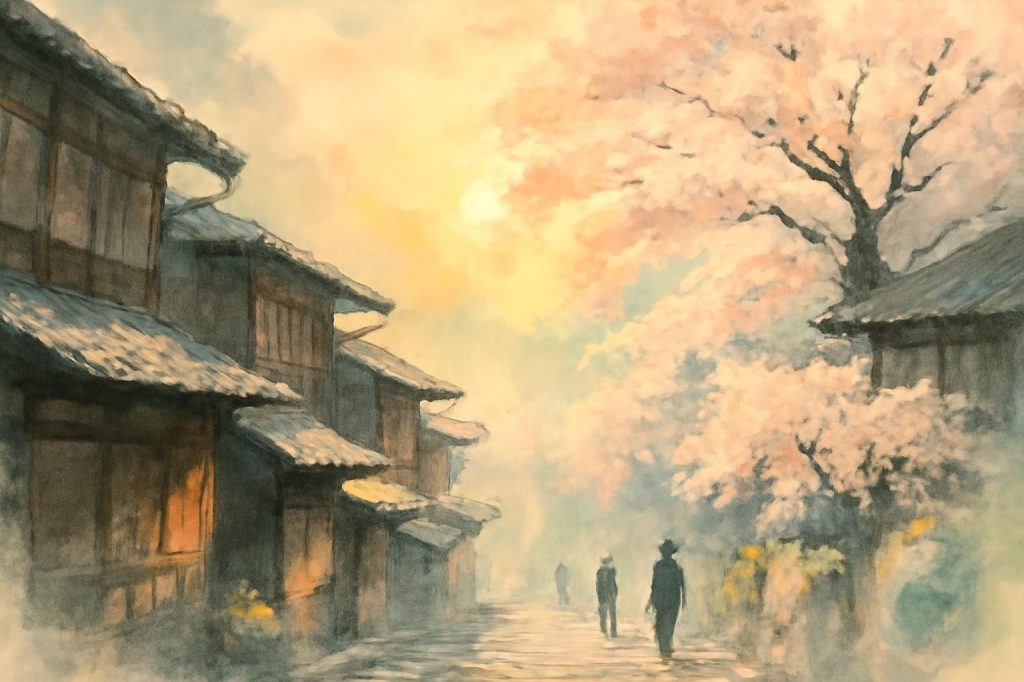
In the heart of Kyoto’s Higashiyama Ward lies Sannenzaka, a stone-paved pedestrian slope that holds both historical significance and captivating folklore. This area, rich in tradition and legend, offers visitors a unique glimpse into the cultural tapestry of Kyoto, drawing them into a world where history and myth intertwine.

Introduction to Sannenzaka and Ninenzaka
FACT: What the records say
Sannenzaka, also known as Sannen-zaka or Sanneizaka, is a renowned stone-paved pedestrian slope in Higashiyama Ward, Kyoto City. This historic street, leading up to the famous Kiyomizu-dera, is lined with traditional wooden machiya buildings. These machiya, with their distinctive architecture, reflect the Edo period’s aesthetic, characterized by narrow facades and deep interiors. The slope, along with the adjacent Ninenzaka, forms a preserved area that is always open to visitors and heavily trafficked by tourists exploring the cultural heritage of Kyoto. The charm of these streets lies not only in their historical architecture but also in the vibrant life that continues to thrive there today.
LEGEND: The tale of the three-year curse
According to legend, if you trip and fall on Sannenzaka, you will die within three years. This superstition is recorded as early as 1679 in the collection Keishi Junranshu and remains a well-known part of traveler folklore. The fear of the curse adds an element of intrigue to the otherwise serene and picturesque street. Visitors often tread carefully, not just because of the steepness of the slope, but also due to the lingering fear of this ancient curse. This legend, passed down through generations, continues to be a topic of fascination and conversation among both locals and tourists.
The History and Preservation of Kyoto’s Stone Slopes
FACT: Historical significance and preservation
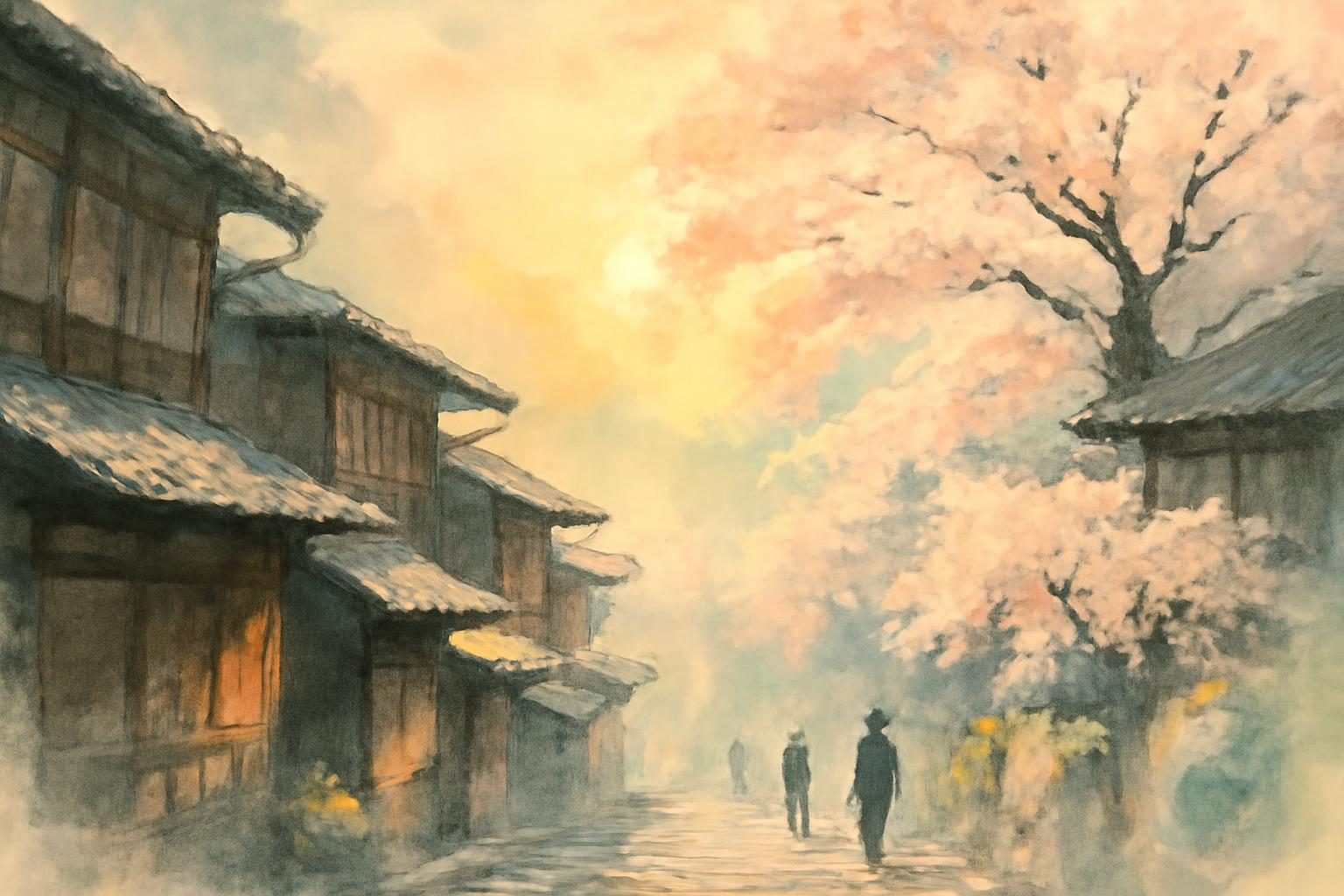
The name ‘Sannenzaka’ may derive from its creation in the third year of the Daido era (808) or from the term ‘safe delivery slope,’ linked to the nearby childbirth-praying Taisan-ji. Despite the uncertainty of its exact origin, Sannenzaka’s importance is recognized through its designation as an Important Preservation District for Groups of Historic Buildings by Kyoto City in 1976 under the Law for the Protection of Cultural Properties. This status helps maintain the traditional atmosphere and architectural integrity of the area. The preservation efforts ensure that the unique cultural and historical essence of Sannenzaka is not lost to modernization, allowing visitors to step back in time as they walk these storied paths.

The Legend of Sannenzaka: Folklore and Superstition
LEGEND: The origins of the curse
The legend of Sannenzaka’s curse is a fascinating piece of folklore that has been passed down through generations. While the exact origins of the superstition are unclear, it is believed to be tied to the spiritual significance of the area and the many temples and shrines nearby. The fear of the curse adds an extra layer of caution for visitors walking the slope, especially given its steepness. This superstition, deeply embedded in the local culture, serves as a reminder of the mystical elements that pervade Kyoto’s historical sites.
LEGEND: Variations and cultural impact
Over time, variations of the legend have emerged, sometimes including the adjacent Ninenzaka in the narrative. Such stories have contributed to the cultural richness of the area, attracting those with an interest in the supernatural. The legend not only adds a layer of mystery to the experience of visiting Sannenzaka but also highlights the importance of oral traditions in preserving cultural identity. As visitors explore the slope, they become part of a living history, where past and present converge in a shared cultural experience.
Exploring the Traditional Machiya Buildings and Shops
FACT: The charm of machiya architecture
Sannenzaka and Ninenzaka are lined with traditional wooden machiya buildings, offering a glimpse into Kyoto’s architectural past. These structures, with their narrow facades and deep interiors, are characteristic of Kyoto’s historic streets. Many of these buildings have been converted into shops, cafes, and inns, providing visitors with a unique shopping and dining experience while preserving the area’s cultural heritage. The machiya’s design, with its emphasis on natural materials and harmony with the surroundings, reflects the Japanese aesthetic principles of simplicity and elegance.
FACT: Unique shopping experiences
Visitors can explore a variety of shops offering local crafts, traditional sweets, and souvenirs. Among these are the gourd (hyōtan) shops, which have a unique connection to the legend. In the past, gourds were sold along the slope as a spell to return a soul lost when someone fell, directly tied to the legend. These shops continue to attract those intrigued by the folklore, offering a tangible connection to the area’s mystical past. The combination of shopping and storytelling creates a rich tapestry of experiences for those who wander these historic streets.

How to Include Sannenzaka in Your Kiyomizu-dera Itinerary
FACT: A popular route for tourists
As part of the standard route to Kiyomizu-dera, Sannenzaka and Ninenzaka are frequented by tourists eager to experience Kyoto’s historic charm. The slopes offer a scenic and culturally rich path to the temple, making them a must-visit for anyone exploring Kyoto. The area is particularly beautiful during cherry blossom season and in the autumn when the leaves change color. These seasonal changes add to the allure of the slopes, providing a picturesque backdrop for photographs and a serene atmosphere for reflection.
FACT: Tips for an enriching visit
To make the most of your visit, consider starting early in the morning to avoid the crowds and enjoy the peaceful ambiance of the area. Take your time to explore the various shops and savor the local delicacies. The journey through Sannenzaka and Ninenzaka is not just about reaching Kiyomizu-dera but also about immersing yourself in the cultural and historical richness of Kyoto.
Practical Tips for Visiting Kyoto’s Higashiyama District
FACT: Navigating the slopes
Visitors to Sannenzaka should wear comfortable shoes to navigate the steep and often crowded slope. The area is best explored on foot, allowing you to fully appreciate the traditional architecture and vibrant atmosphere. Be mindful of the legend and tread carefully to avoid any mishaps! The experience of walking these historic streets is enhanced by the awareness of the legends and history that surround them, making each step a part of a larger narrative.

Regional guide
- Sannenzaka (Kyoto City) — source


.jpg)

.jpg)

Leave a comment