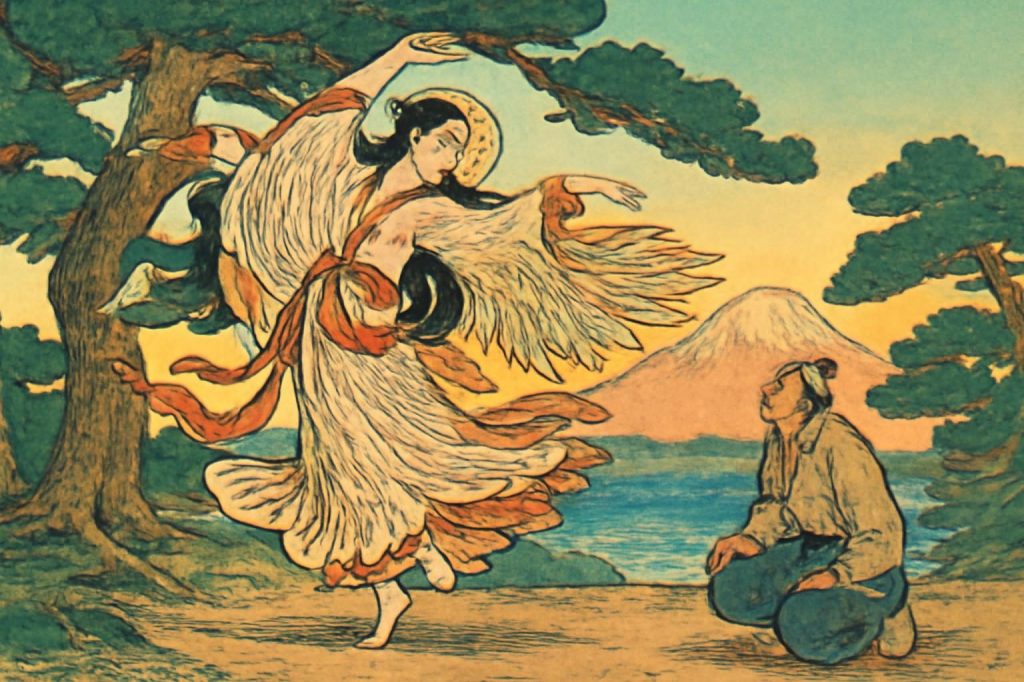
Miho no Matsubara in Shizuoka City, Shizuoka Prefecture, is a place where natural beauty and cultural heritage intertwine, offering visitors a glimpse into Japan’s rich tapestry of legends and landscapes. This coastal area is not only a feast for the eyes but also a profound cultural site that tells stories of celestial beings and ancient traditions.

Introduction to Miho no Matsubara and Its UNESCO Heritage Status
FACT: Scenic Beauty and Cultural Significance
Miho no Matsubara is a seven-kilometre seashore lined with pine trees, designated a National Place of Scenic Beauty in 1922 and added to the UNESCO World Cultural Heritage as part of the Fujisan Cultural Site in 2013. This stretch of coastline is renowned for its stunning views of Mount Fuji, making it a popular destination for both tourists and locals alike. The designation as part of the Fujisan Cultural Site underscores its significance not only for its natural beauty but also for its cultural and spiritual importance in Japanese history. Visitors to Miho no Matsubara can experience this unique blend of nature and culture, where the majestic presence of Mount Fuji serves as a backdrop to the tranquil pine grove, creating a picturesque scene that has inspired artists and poets for centuries.
FACT: The Pine Grove’s Natural Splendor
The pine grove at Miho no Matsubara features approximately 54,000 pine trees along its seven-kilometre stretch, contributing to its status as a prominent scenic attraction. These trees create a serene and picturesque environment that invites visitors to take leisurely strolls while enjoying the fresh sea breeze. The sheer number of pines, with their whispering needles and the gentle sway in the coastal winds, provide a tranquil backdrop that enhances the spiritual ambiance of the area. Walking through this grove, one can feel a deep connection to nature, with the sound of the waves mingling with the rustle of the pines, offering a moment of peace and reflection.
The Legend of the Feathered Robe and the Hagoromo no Matsu Pine
LEGEND: The Celestial Maiden’s Tale
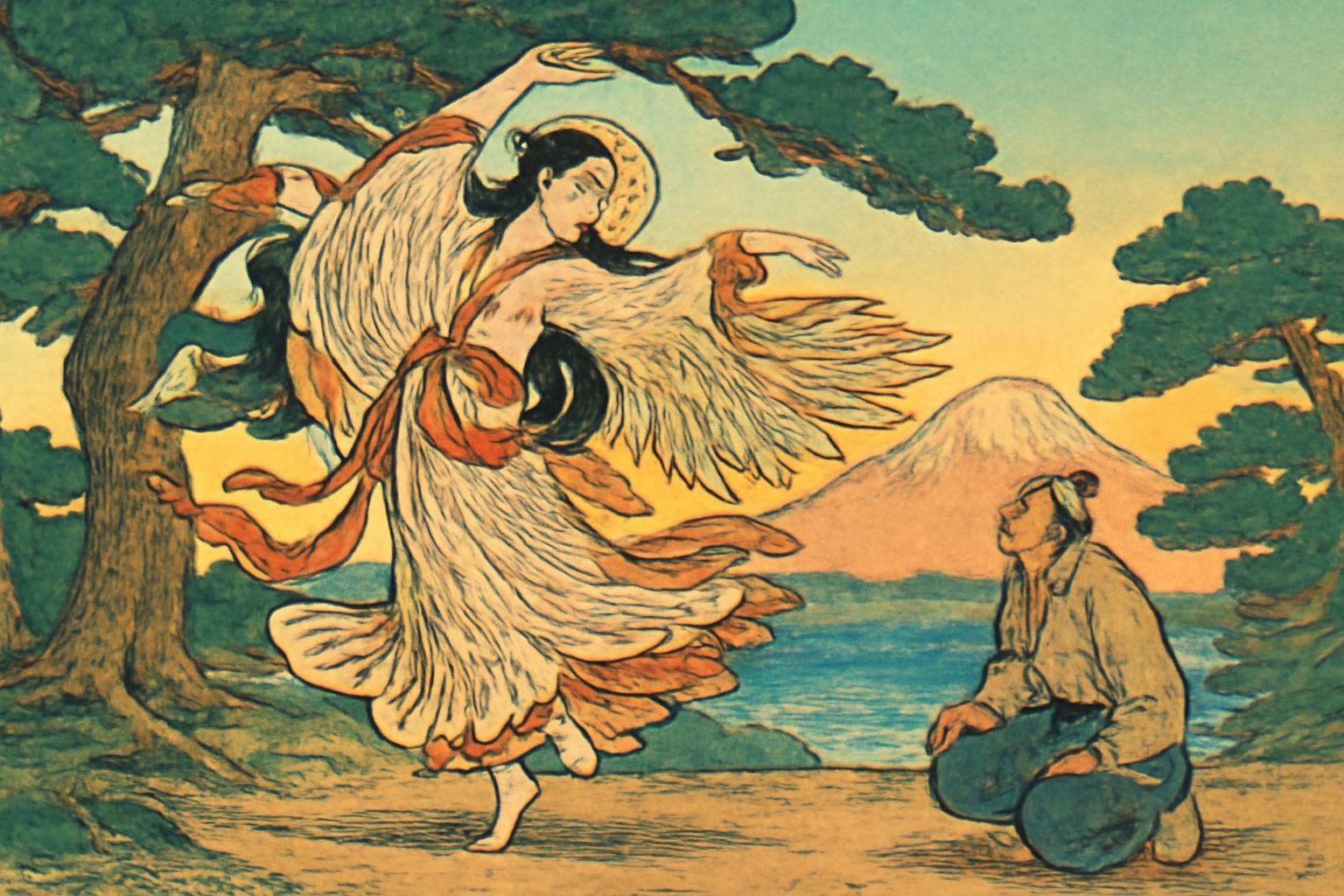
According to local legend, a celestial maiden descended to Miho no Matsubara, hung her feathered robe on a pine tree, and was only able to retrieve it after performing a celestial dance for the fisherman Hakuryō. This enchanting story, passed down through generations, is celebrated in the Noh play ‘Hagoromo,’ which remains one of the most-performed Noh plays today. The narrative speaks to themes of longing, beauty, and the intersection between the divine and the earthly, capturing the imagination of all who hear it. The legend is not just a story but a cultural touchstone that reflects the values and beliefs of the region, illustrating the deep connection between the people and their natural surroundings.
FACT: Hagoromo no Matsu and Miho Shrine
The pine grove includes an ancient tree known as Hagoromo no Matsu, estimated to be around 650 years old, which is symbolically linked to the legend. This venerable tree stands as a living testament to the legend, its gnarled branches and sturdy trunk embodying centuries of history and myth. Nearby, Miho Shrine preserves a piece of the celestial maiden’s feather garment according to local lore, further cementing the area’s connection to this enduring tale. The shrine itself is a place of quiet reflection and reverence, where visitors can contemplate the legend’s significance and its place in the cultural tapestry of Japan. The presence of the feather garment relic adds a tangible element to the legend, allowing visitors to feel a direct connection to the story and its mystical origins.

Connection to Traditional Noh Theatre and the Hagoromo Festival
FACT: The Noh Play ‘Hagoromo’
The Noh play ‘Hagoromo’ is set in the pine grove of Miho, Suruga Bay, and is based on the 8th-century Tango Fudoki. It remains a significant cultural element associated with Miho no Matsubara, reflecting its legendary narrative and continuing to captivate audiences with its timeless themes. The play’s delicate movements and haunting music echo the ethereal beauty of the legend, drawing audiences into a world where the boundaries between the mortal and the divine blur. Attending a performance of ‘Hagoromo’ offers a profound insight into Japanese cultural heritage, where the art of Noh brings to life the ancient stories that have shaped the identity of the region.
FACT: The Hagoromo Festival
Every October, on the second Saturday and Sunday, the Hagoromo Festival is held at Miho no Matsubara. This event includes performances of the Noh drama near the legendary pine and associated rituals, drawing visitors who wish to experience this unique cultural celebration firsthand. The festival is a vibrant display of traditional arts, with the Miho Hagoromo Takigi Noh and Miho Children’s Noh bringing the legend to life against the backdrop of the storied pine grove. It is a time when the community comes together to honor their heritage, and visitors can immerse themselves in the cultural richness of the region. The festival not only celebrates the legend but also serves as a reminder of the enduring power of storytelling in preserving cultural identity.
Exploring Miho Shrine and Local Cultural Relics
FACT: Miho Shrine’s Significance
Miho Shrine plays a crucial role in preserving the cultural heritage of Miho no Matsubara. It is said to house a piece of the celestial maiden’s feathered garment, offering a tangible connection to the legend and serving as a place of reverence for those who visit. The shrine’s tranquil setting and historical artifacts provide a deeper understanding of the area’s spiritual significance, allowing visitors to connect with the past in a meaningful way. As a site of pilgrimage, Miho Shrine invites contemplation and respect, offering a spiritual journey that complements the physical beauty of the surrounding landscape.

Global Legacies: The Monument to Madame Hélène Giuglaris
FACT: A Tribute to Madame Hélène Giuglaris
A monument to Madame Hélène Giuglaris stands above the pine grove. Beneath it lies a lock of her hair, fulfilling her wish to be buried near the Hagoromo pine despite never having visited Miho in life. This monument highlights the global impact of the legend and its ability to inspire individuals from diverse backgrounds. Madame Hélène, a French dancer, was so moved by the story of the celestial maiden that she wished to be eternally connected to the site, demonstrating the universal appeal and emotional resonance of the legend. Her tribute is a testament to the power of art and storytelling in bridging cultural divides, fostering a shared appreciation for beauty and myth.

Related on JAPAN ESSENCE: Exploring Tōno: The Heart of Japanese Folklore and Yokai Legends | Visiting Jōren Falls: Shizuoka’s Legendary Spider Woman Waterfall
Regional guide
Location: Shizuoka City, Shizuoka Prefecture
- Souvenirs and confections featuring celestial maiden imagery (Shimizu Ward) — source
- Monument to Madame Hélène Giuglaris (Shimizu Ward) — source
For centuries, onigawara (demon roof tiles) have guarded Japanese rooftops from evil. You can find onigawara pieces at Oni Koubou. Want to see Japanese roof tiles up close? Try a hands-on tile workshop at Kawara Koubou.


Leave a comment