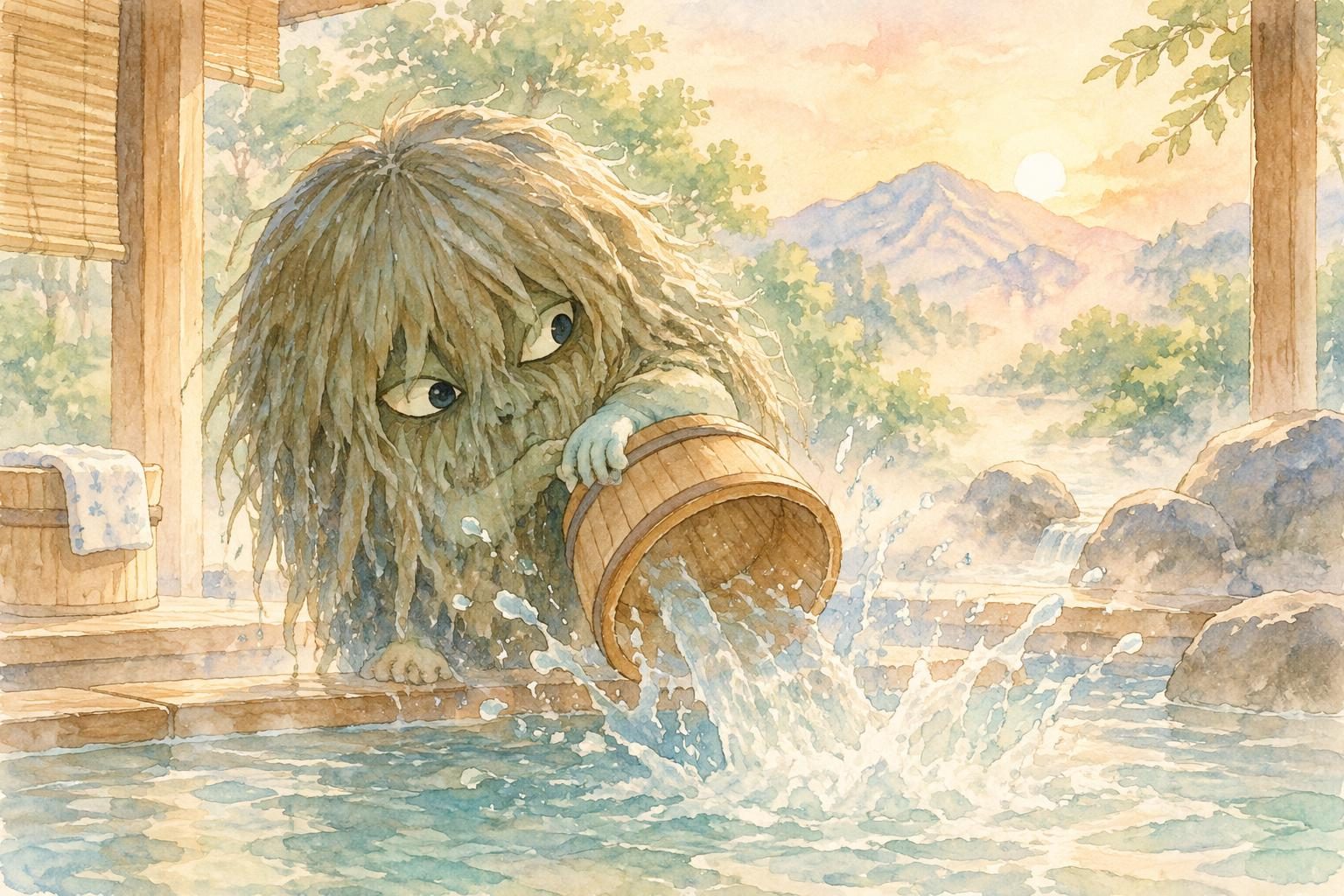
In Saga, Saga Prefecture, the mysterious Hyosube, a hairy water-sprite yokai, has captured the imagination of locals and visitors alike. This enigmatic creature is steeped in folklore, offering a unique glimpse into the region’s cultural tapestry.

Who is Hyosube? The Hairy Water-Sprite of Saga
FACT: What the records say
The Hyosube is a type of yokai, or supernatural creature, found in Japanese folklore. Known for its hairy appearance, the Hyosube is often associated with water and is believed to inhabit rivers and streams, particularly in the Saga region. Its name is thought to derive from the sound it makes when moving through water. This auditory association adds an eerie layer to its mystique, as if the creature is perpetually shrouded in the sound of rushing waters, echoing its elusive nature.
In addition to its distinctive auditory signature, the Hyosube’s physical description further enhances its mysterious aura. Its body is said to be covered in thick, dark hair, which blends seamlessly with the shadows of the water. This characteristic not only serves to camouflage the creature but also contributes to the unsettling feeling it evokes among those who claim to have encountered it. The Hyosube’s presence in local folklore underscores the deep connection between the people of Saga and their natural environment, where rivers and streams play a crucial role in daily life.
Origins and Mythology: From Living Dolls to River Spirits
LEGEND: The story told in Saga
According to local legend, the Hyosube is a mischievous spirit that enjoys causing trouble for unsuspecting humans. It is said to sneak into bathhouses, leaving behind a mess of hair and dirt. Those who encounter a Hyosube are advised to clean up thoroughly, as failing to do so can bring misfortune. This tale serves as a cautionary story, emphasizing cleanliness and vigilance, and reflects the cultural importance of purity and order in Japanese society.
This legend is often recounted in various forms, with some versions highlighting the Hyosube’s penchant for pranks. It is said that the creature delights in upending bath buckets and creating chaos in the serene environment of the bathhouse. This behavior not only serves to amuse the Hyosube but also to test the patience and diligence of those who must clean up after it. The emphasis on cleanliness in these tales mirrors broader Japanese cultural values, where maintaining harmony and order is of paramount importance.


Behaviors and Quirks: Bathhouses and Eggplants
LEGEND: Local tales of Hyosube’s antics
Legend holds that the Hyosube has a fondness for eggplants and can often be placated by offering them. This quirky behavior adds a humorous element to the stories, as locals recount tales of Hyosube sneaking into gardens to steal the prized vegetables. The offering of eggplants is seen as a way to appease the spirit, ensuring that it remains in good humor and does not cause further trouble. This aspect of the legend highlights the playful nature of the Hyosube, contrasting with the more sinister tales of other yokai.
The tradition of offering eggplants to the Hyosube is deeply ingrained in the local culture, with some families even setting aside a portion of their harvest as a gesture of goodwill. This practice not only serves to placate the mischievous spirit but also fosters a sense of community and shared tradition among the residents. The Hyosube’s love for eggplants is often depicted in local art and storytelling, where the creature is humorously portrayed with an armful of the vegetables, further endearing it to the people of Saga.
Hyosube and the Kappa Connection in Kyushu Folklore
FACT: Similarities with the kappa
The Hyosube shares several characteristics with the kappa, another well-known water yokai in Japanese folklore. Both creatures are associated with water and have a penchant for playing pranks on humans. However, while the kappa is often depicted as a more malevolent being, the Hyosube is generally seen as mischievous rather than dangerous. This distinction is crucial in understanding the Hyosube’s role in local folklore, as it is more of a trickster than a threat, embodying the unpredictable and playful aspects of nature.
Despite their similarities, the Hyosube and kappa occupy different niches within the folklore of Kyushu. The kappa is often associated with deeper waters and is known for its cunning and sometimes dangerous interactions with humans. In contrast, the Hyosube’s antics are more lighthearted, focusing on minor inconveniences rather than serious harm. This distinction allows the Hyosube to be embraced as a more benign figure, one that adds a touch of whimsy to the rich tapestry of local legends.


Matsubara Shrine: Where to Find Hyosube in Saga City
FACT: Visiting the shrine
Matsubara Shrine in Saga City is a key location for those interested in the Hyosube legend. The shrine is said to house a statue of the Hyosube, serving as a protective figure for the local community. Visitors to the shrine can explore its grounds and learn more about the cultural significance of this unique yokai. The presence of the Hyosube statue at Matsubara Shrine underscores the enduring impact of the legend on the local community, acting as a guardian and a reminder of the region’s rich folklore.
The shrine itself is a serene place, offering a tranquil setting for reflection and appreciation of local traditions. The Hyosube statue is often adorned with offerings and tokens of respect from visitors, symbolizing the community’s reverence for this enigmatic creature. For those interested in experiencing the spiritual heritage of Saga, Matsubara Shrine provides a tangible connection to the stories and beliefs that have shaped the region’s identity over the centuries.
The Hyaran-san Festival and Water-Safety Traditions
LEGEND: Celebrating Hyosube
In Saga, the Hyaran-san Festival is a local event that celebrates water safety and pays homage to the Hyosube. During the festival, participants engage in various activities designed to appease the water spirits and ensure safe passage across the region’s rivers and streams. This festival not only highlights the cultural significance of the Hyosube but also reinforces the community’s connection to their natural surroundings, emphasizing the importance of respecting and understanding the local waterways.
The festival is a vibrant display of local culture, featuring traditional music, dance, and performances that celebrate the region’s folklore. Participants often dress in costumes representing various yokai, including the Hyosube, adding a festive and playful atmosphere to the event. Through these celebrations, the community comes together to honor their shared heritage and the natural elements that sustain their way of life, creating a sense of unity and continuity across generations.
Planning Your Visit to Saga’s Folklore Sites
FACT: Practical information
For those planning a visit to Saga, exploring the sites associated with the Hyosube legend offers a fascinating insight into the region’s folklore. Matsubara Shrine is open to the public, but visitors should check the official website for current hours, fees, and access information. Engaging with these sites provides a deeper understanding of the local culture and the enduring legacy of the Hyosube in Saga’s community life.
Nearby Guide
Nearby sights
- Ureshino Onsen (Ureshino) — Ureshino Onsen is renowned for its skin-beautifying properties and offers a variety of public baths and footbaths. Visitors can enjoy the therapeutic waters and explore the surrounding hot spring town. official site
- Toyotamahime Shrine (Ureshino) — This historic shrine is dedicated to Toyotamahime, the daughter of the sea god. The shrine offers a glimpse into the region’s spiritual heritage and is a peaceful spot for visitors. details
Where to stay
- Fairfield by Marriott Saga Ureshino Onsen (Ureshino) — A comfortable hotel offering modern amenities and easy access to Ureshino’s attractions. The hotel is close to local hot springs, but does not offer free breakfast. official site
Where to eat
- Onsen Shokudo (Ureshino) — A local eatery favored by residents, known for its omelet rice bowl and other comforting dishes. It’s a great place to experience authentic Ureshino cuisine. official site


Related on JAPAN ESSENCE: The True Legend of Nurikabe: Fukuoka’s Invisible Wall Yokai | Konaki-Jijii: The Legend of Tokushima’s Crying Old Man Yokai
Sources
To explore further, visit Oni Kobo (鬼工房) for onigawara demon-tile art and charms and Onigawara Experience for hands-on onigawara experiences in Japan.
佐賀県佐賀市では、神秘的なヒョウスベという毛むくじゃらの水の妖怪が地元の人々や訪問者の想像力をかき立てています。この謎めいた生き物は、民間伝承に満ちており、地域の文化的な織物を垣間見ることができます。
ヒョウスベとは?佐賀の毛むくじゃらの水の妖怪
事実: 記録が示すもの
ヒョウスベは、日本の民間伝承に登場する妖怪、つまり超自然的な生き物の一種です。その毛むくじゃらの外見で知られ、特に佐賀地域の川や小川に住むと信じられています。その名前は、水を移動する際に発する音から来ていると考えられています。この聴覚的な関連性は、その神秘性に不気味な層を加え、生き物が常に流れる水の音に包まれているかのように、その捉えどころのない性質を反映しています。
その独特の聴覚的な特徴に加えて、ヒョウスベの身体的な説明は、その神秘的なオーラをさらに高めます。その体は厚く、暗い毛で覆われていると言われており、水の影と見事に調和しています。この特徴は、生き物をカモフラージュするだけでなく、それに遭遇したと主張する人々の間で不安感を引き起こします。地元の民間伝承におけるヒョウスベの存在は、佐賀の人々と自然環境、特に日常生活において重要な役割を果たす川や小川との深い結びつきを強調しています。
起源と神話: 生きた人形から川の精霊へ
伝承: 佐賀で語られる物語
地元の伝説によれば、ヒョウスベは人間にいたずらを仕掛けるのが好きないたずら好きの精霊です。浴場に忍び込み、髪の毛や汚れを残していくと言われています。ヒョウスベに遭遇した人は、しっかりと掃除するように勧められており、そうしないと不運を招くことがあります。この物語は、清潔さと警戒心を強調する教訓的な話であり、日本社会における純粋さと秩序の文化的重要性を反映しています。
この伝説はさまざまな形で語られることが多く、ヒョウスベのいたずら好きな性格を強調するバージョンもあります。生き物は浴場のバケツをひっくり返し、静かな環境に混乱をもたらすことを楽しむと言われています。この行動は、ヒョウスベを楽しませるだけでなく、その後片付けをしなければならない人々の忍耐力と勤勉さを試すものでもあります。これらの物語における清潔さの強調は、調和と秩序を維持することが最も重要であるとされる日本の文化的価値観を反映しています。
行動と特徴: 浴場とナス
伝承: ヒョウスベのいたずらの地元の話
伝説によれば、ヒョウスベはナスが好きで、ナスを提供することでしばしばなだめることができると言われています。この奇妙な行動は物語にユーモラスな要素を加え、地元の人々はヒョウスベが庭に忍び込んで貴重な野菜を盗む話を語ります。ナスを提供することは、精霊をなだめ、さらなるトラブルを避ける方法と見なされています。この伝説の側面は、他の妖怪のより不気味な物語とは対照的に、ヒョウスベの遊び心のある性質を強調しています。
ヒョウスベにナスを提供する伝統は地元文化に深く根付いており、家族の中には収穫の一部を善意のしるしとして取っておくところもあります。この習慣は、いたずら好きの精霊をなだめるだけでなく、住民の間でコミュニティと共有された伝統の感覚を育みます。ヒョウスベのナス好きは地元の芸術や物語にしばしば描かれ、生き物が野菜を抱えている姿がユーモラスに描かれ、佐賀の人々に親しまれています。
ヒョウスベと九州の民間伝承における河童の関係
事実: 河童との類似点
ヒョウスベは、日本の民間伝承におけるもう一つの有名な水の妖怪である河童といくつかの特徴を共有しています。両方の生き物は水と関連しており、人間にいたずらを仕掛けるのが好きです。しかし、河童がより悪意のある存在として描かれることが多いのに対し、ヒョウスベは一般的にいたずら好きで危険ではないと見なされています。この違いは、ヒョウスベの地元の民間伝承における役割を理解する上で重要であり、それは脅威ではなくトリックスターとして、自然の予測不可能で遊び心のある側面を体現しています。
その類似点にもかかわらず、ヒョウスベと河童は九州の民間伝承の中で異なる役割を果たしています。河童はしばしば深い水と関連付けられ、人間との狡猾で時には危険な相互作用で知られています。対照的に、ヒョウスベのいたずらはより軽妙で、深刻な害よりも小さな不便に焦点を当てています。この違いにより、ヒョウスベはより無害な存在として受け入れられ、地元の伝説の豊かな織物に遊び心を加えることができます。
松原神社: 佐賀市でヒョウスベを見つける場所
事実: 神社を訪れる
佐賀市の松原神社は、ヒョウスベの伝説に興味がある人々にとって重要な場所です。この神社にはヒョウスベの像があると言われており、地元のコミュニティの守護者としての役割を果たしています。神社を訪れる人々は、その敷地を探索し、このユニークな妖怪の文化的な重要性について学ぶことができます。松原神社にあるヒョウスベの像の存在は、地元のコミュニティに対する伝説の持続的な影響を強調し、守護者として、また地域の豊かな民間伝承の思い出として機能しています。
神社自体は静かな場所で、地元の伝統を反映し、感謝するための穏やかな環境を提供しています。ヒョウスベの像はしばしば訪問者からの供物や敬意のしるしで飾られており、この謎めいた生き物に対するコミュニティの敬意を象徴しています。佐賀の精神的な遺産を体験したい人にとって、松原神社は地域のアイデンティティを形作ってきた物語や信念に触れる具体的なつながりを提供します。
ヒャランさん祭りと水の安全の伝統
伝承: ヒョウスベを祝う
佐賀では、ヒャランさん祭りは水の安全を祝う地元のイベントであり、ヒョウスベに敬意を表します。祭りの間、参加者は水の精霊をなだめ、地域の川や小川を安全に渡るためのさまざまな活動に参加します。この祭りは、ヒョウスベの文化的な重要性を強調するだけでなく、自然環境とのコミュニティのつながりを強化し、地元の水路を尊重し理解することの重要性を強調しています。
祭りは地元文化の活気ある展示であり、地域の民間伝承を祝う伝統的な音楽、ダンス、パフォーマンスが特徴です。参加者はさまざまな妖怪を表す衣装を着ることが多く、ヒョウスベを含め、イベントに祝祭的で遊び心のある雰囲気を加えます。これらの祝祭を通じて、コミュニティは共有された遺産と彼らの生活様式を支える自然要素を称え、世代を超えた団結と継続性の感覚を生み出します。
佐賀の民間伝承の場所を訪れる計画
事実: 実用的な情報
佐賀を訪れる計画を立てている人にとって、ヒョウスベの伝説に関連する場所を探索することは、地域の民間伝承への興味深い洞察を提供します。松原神社は一般公開されていますが、訪問者は最新の営業時間、料金、アクセス情報を公式サイトで確認する必要があります。これらの場所に関わることで、地元の文化と佐賀のコミュニティ生活におけるヒョウスベの持続的な遺産についての理解を深めることができます。
周辺ガイド
周辺の見どころ
- 嬉野温泉(嬉野)— 嬉野温泉は美肌効果で知られており、さまざまな公衆浴場や足湯を提供しています。訪問者は治療的な温泉を楽しみ、周辺の温泉街を探索することができます。公式サイト
- 豊玉姫神社(嬉野)— この歴史的な神社は海神の娘である豊玉姫に捧げられています。神社は地域の精神的な遺産を垣間見ることができ、訪問者にとっては静かな場所です。詳細
泊まる
- フェアフィールド・バイ・マリオット佐賀嬉野温泉(嬉野)— 現代的な設備を備え、嬉野の観光地へのアクセスが容易な快適なホテルです。地元の温泉へのアクセスは便利ですが、無料朝食の提供はありません。公式サイト
食べる
- 温泉食堂(嬉野)— 地元の人々に人気の食堂で、オムライス丼などの心温まる料理で知られています。本格的な嬉野料理を体験するのに最適な場所です。公式サイト
Related on JAPAN ESSENCE: The True Legend of Nurikabe: Fukuoka’s Invisible Wall Yokai | Konaki-Jijii: The Legend of Tokushima’s Crying Old Man Yokai
Sources
さらに楽しみたい方は、鬼瓦や魔除けの品に出会える鬼工房や、鬼瓦づくりを体験できるOnigawara Experienceもご覧ください。
Leave a Reply