In Unzen, Nagasaki Prefecture, lies the historically rich Onsen Jinja Shrine, a revered site that serves as the head shrine of the Shimengu network dedicated to the Oshimen, the four-faced guardian deities of Kyushu. This shrine is steeped in both legend and history, offering visitors a unique glimpse into Japan’s spiritual heritage.

Introduction to Unzen Onsen Jinja Shrine
FACT: The Head Shrine of the Shimengu Network
Onsen Jinja Shrine, formerly known as Shimengu, is located in Unzen, Nagasaki Prefecture. It is the head shrine of a network dedicated to the Oshimen, the four-faced guardian deities of Kyushu. This network extends across the Shimabara Peninsula, with more than 25 branch shrines, known locally as ‘O-shimen-san’. The shrine’s significance is deeply rooted in its role as a spiritual center for these deities, believed to protect the entire Kyushu region.
The shrine’s position as the head of this network underscores its importance in the spiritual landscape of Kyushu. Visitors to the shrine can explore its rich history and significance, which are reflected in the architecture and the rituals performed here. The presence of the Oshimen deities is a testament to the enduring spiritual traditions that continue to thrive in this region.
FACT: Cultural Practices at Onsen Jinja
Onsen Jinja Shrine not only serves as a place of worship but also as a cultural hub. One of the unique experiences offered here is a special nighttime theater performance that dramatizes Gyoki’s legendary encounter with the Oshimen deities. This performance provides a dramatic retelling of the shrine’s founding story, enhancing the spiritual and cultural experience for visitors. The performance is held in the serene setting of the shrine, surrounded by the natural beauty of the area, which adds to the mystical atmosphere of the event.
These performances are more than just entertainment; they are a vital part of the cultural fabric of the community. They offer a window into the past, allowing both locals and visitors to connect with the legends and traditions that have shaped the identity of the region. The theatrical retelling of Gyoki’s encounter with the deities serves as a reminder of the spiritual significance of the shrine and its role in the community.
FACT: Syncretic Roots and Historical Evolution
The origins of Onsen Jinja Shrine are deeply entwined with the syncretic Buddhist-Shinto traditions of Japan. Initially associated with Manmyō-ji temple, the shrine underwent significant changes during the Meiji era when the separation of Shinto and Buddhism led to its renaming. This historical evolution reflects broader religious and cultural shifts in Japan. The shrine’s transformation during the Meiji era underscores the dynamic nature of religious practices and the adaptation of spiritual sites to changing cultural landscapes.
Visitors to the shrine can witness the harmonious blend of Buddhist and Shinto elements in its architecture and rituals. This syncretism is a hallmark of Japanese religious history, illustrating the fluid boundaries between different spiritual traditions. The shrine’s evolution is a testament to the resilience and adaptability of these traditions in the face of societal changes.
The Legend of Monk Gyoki and the Steaming Vents
LEGEND: The Story of Monk Gyoki
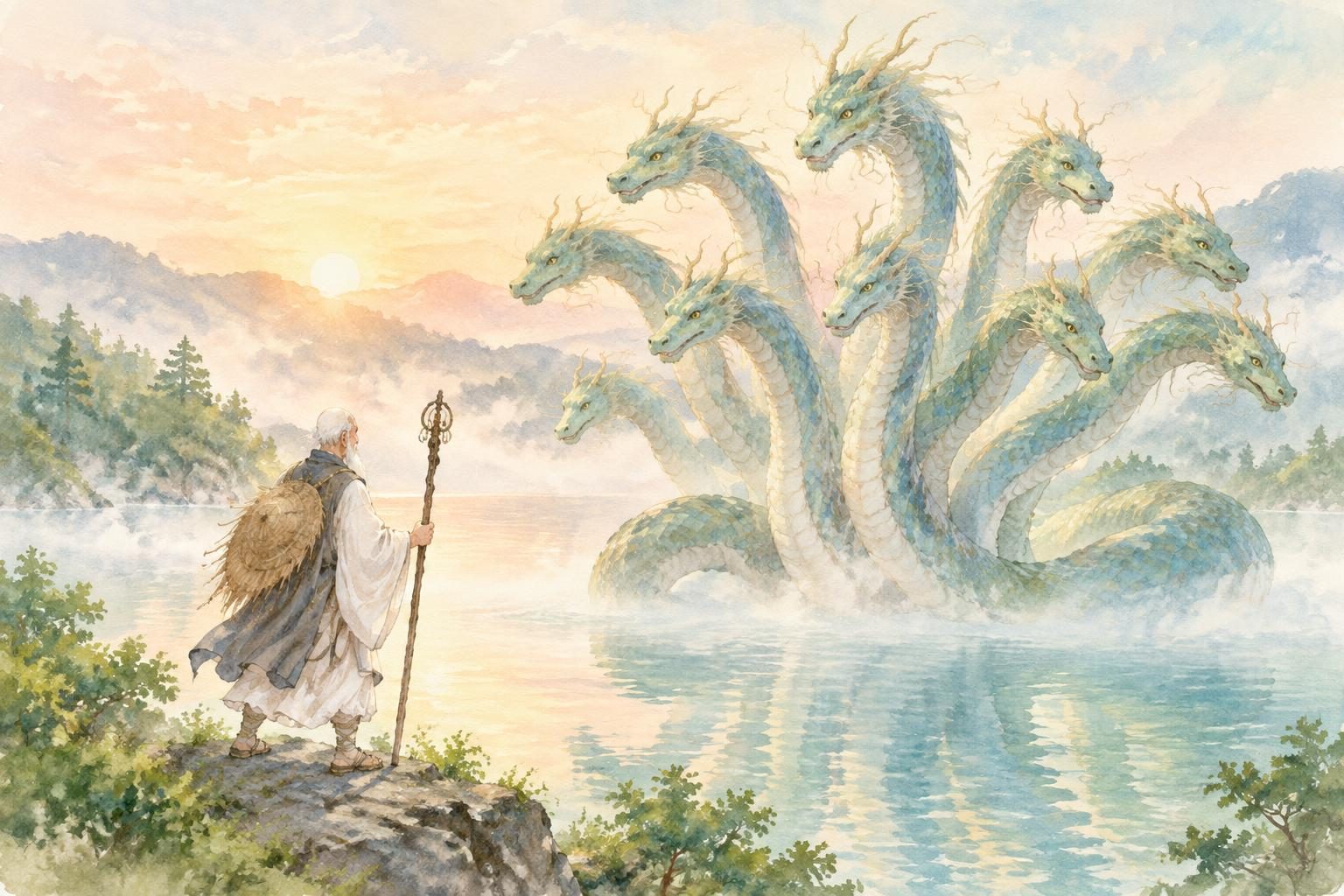
According to legend, in 701, the monk Gyoki followed the billowing sulfurous steam in the Unzen Jigoku area, a geothermal region known for its hot springs and steaming vents. It is said that Gyoki encountered the Oshimen guardian deities here and subsequently established the shrine at this site. This tale highlights the mystical qualities attributed to the area and the deities themselves. The legend of Gyoki’s journey through the steaming vents is a captivating story that draws visitors eager to experience the spiritual energy of the place.
Gyoki’s journey is often depicted in local art and storytelling, emphasizing the transformative power of the natural landscape. The steaming vents of Unzen Jigoku are not only a geological wonder but also a spiritual symbol, representing the divine presence that Gyoki is said to have encountered. This legend continues to inspire reverence for the natural and spiritual worlds intertwined at this sacred site.
LEGEND: Creation Myths and the Oshimen Deities
In addition to the founding legend, the Oshimen deities are also associated with the creation of Japan and the island of Kyushu, as mentioned in the Kojiki, Japan’s oldest chronicle. These deities are revered for their protective qualities and are integral to the spiritual landscape of the region. The Kojiki’s mention of the Oshimen deities places them within the broader context of Japan’s mythological history, linking the shrine to the ancient narratives that have shaped Japanese cultural identity.
The association with creation myths adds a layer of depth to the spiritual significance of the Oshimen deities. Visitors to the shrine can reflect on these ancient stories and their influence on the cultural and spiritual identity of Japan. The deities’ role in these myths underscores their importance not only as protectors but also as foundational figures in the mythological tapestry of the nation.

The Shimengu Shrine Network Across Shimabara
FACT: A Network of Spiritual Centers
The Shimengu shrine network, with Onsen Jinja at its center, spans the Shimabara Peninsula. This network is a testament to the enduring spiritual significance of the Oshimen deities and the cultural heritage of the region. Each shrine within the network plays a role in maintaining the spiritual well-being of the local communities. The interconnectedness of these shrines fosters a sense of unity and shared purpose among the residents, who continue to uphold the traditions associated with the Oshimen deities.
Visitors exploring the Shimengu network can experience a journey through the spiritual heart of the Shimabara Peninsula. Each shrine offers its own unique atmosphere and history, contributing to a rich tapestry of religious and cultural experiences. The network serves as a living testament to the enduring legacy of the Oshimen deities and their central role in the spiritual life of the region.
Experiencing Unzen Onsen Jinja Today
Visitors to Onsen Jinja Shrine can immerse themselves in the rich tapestry of history and legend that surrounds this sacred site. Located adjacent to the Unzen Jigoku hot-spring area, the shrine offers a serene setting for reflection and exploration. The proximity to the geothermal wonders of Unzen Jigoku enhances the shrine’s allure, providing a unique blend of natural and spiritual experiences. Check the official website for current hours, fees, and access details.

Nearby Guide
Access
- Unzen Bus Stop (Unzen) — From JR Isahaya Station, take a Shimatetsu bus to Unzen Bus Stop. The journey takes approximately 80 minutes. The shrine is located next to Unzen Jigoku, a geothermal area with steaming vents and hot springs. details
Nearby sights
- Unzen Jigoku (Unzen) — A geothermal area featuring steaming vents and hot springs. Visitors can walk along boardwalks to observe the natural phenomena. Nearby, stalls sell eggs cooked in the steam. Open 24 hours; best viewed during daylight. official site
- Unzen Onsen Town Religious History Trail: Konohanasakuya-hime Jinja Shrine (Unzen) — Located at the top of a winding path above Gensei Marsh, this shrine is spiritually connected to Asama Jinja Shrine near Mt. Fuji. The goddess Konohanasakuya-hime is enshrined here, and the shrine is associated with fertility, child-rearing, and sake brewing. official site
Where to stay
- Unzen Miyazaki Ryokan (Unzen) — A ryokan offering natural hot springs drawn directly from the source. Located in an area blessed by the nature of Unzen. Parking is available for guests traveling by car. official site

Related on JAPAN ESSENCE: Exploring Tono: Japan’s Legendary Home of the Kappa | Hibagon: Exploring Hiroshima’s Legendary Mount Hiba Bigfoot
Sources
- Discover the Guardian Deities of Kyushu | Japan‘s Local Treasures | Travel Japan (JNTO)
- ① 雲仙 温泉神社(総本社) | 【公式】四面宮会
- 霊験あらたかな雲仙の魅力を再発見! 「四面宮御朱印巡り」
- 雲仙の歴史 – 雲仙観光局
- Unzen Jigoku
- Konohanasakuya-hime Jinja Shrine
- Unzen Miyazaki Ryokan
- unmeguri.lmp.jp
To explore further, visit Kawara Kobo (瓦工房) for a hands-on kawara experience and Onigawara Experience for hands-on onigawara experiences in Japan.