Lake Towada in Towada, Aomori Prefecture, is not only a natural wonder but also a place steeped in myth and legend. At the heart of its folklore is the tale of Nansonobo, a heroic monk who battled a fearsome serpent, and the mystical Uranai-ba, a divination spot that continues to draw the curious and the devout alike.

Introduction to Lake Towada’s Mythic Origins
FACT: The Natural Beauty of Lake Towada
Lake Towada is a caldera lake situated in the Towada-Hachimantai National Park, renowned for its stunning natural scenery. It is the largest crater lake on Honshu Island, offering breathtaking views and a tranquil atmosphere, making it a popular destination for nature lovers and spiritual seekers. The lake’s serene waters are surrounded by lush forests and dramatic cliffs, creating a picturesque setting that changes with the seasons. In autumn, the area is particularly famous for its vibrant foliage, drawing visitors from across Japan and beyond.
The lake’s formation as a caldera is a result of volcanic activity, which adds to its mystique and allure. Visitors often find themselves captivated by the mirror-like surface of the water, which reflects the surrounding mountains and sky, creating a sense of harmony and peace. This natural beauty is complemented by the cultural and spiritual significance of the area, making Lake Towada a unique blend of nature and legend.
The Epic Battle: Nansonobo Versus the Eight-Headed Serpent
LEGEND: The Tale of Nansonobo
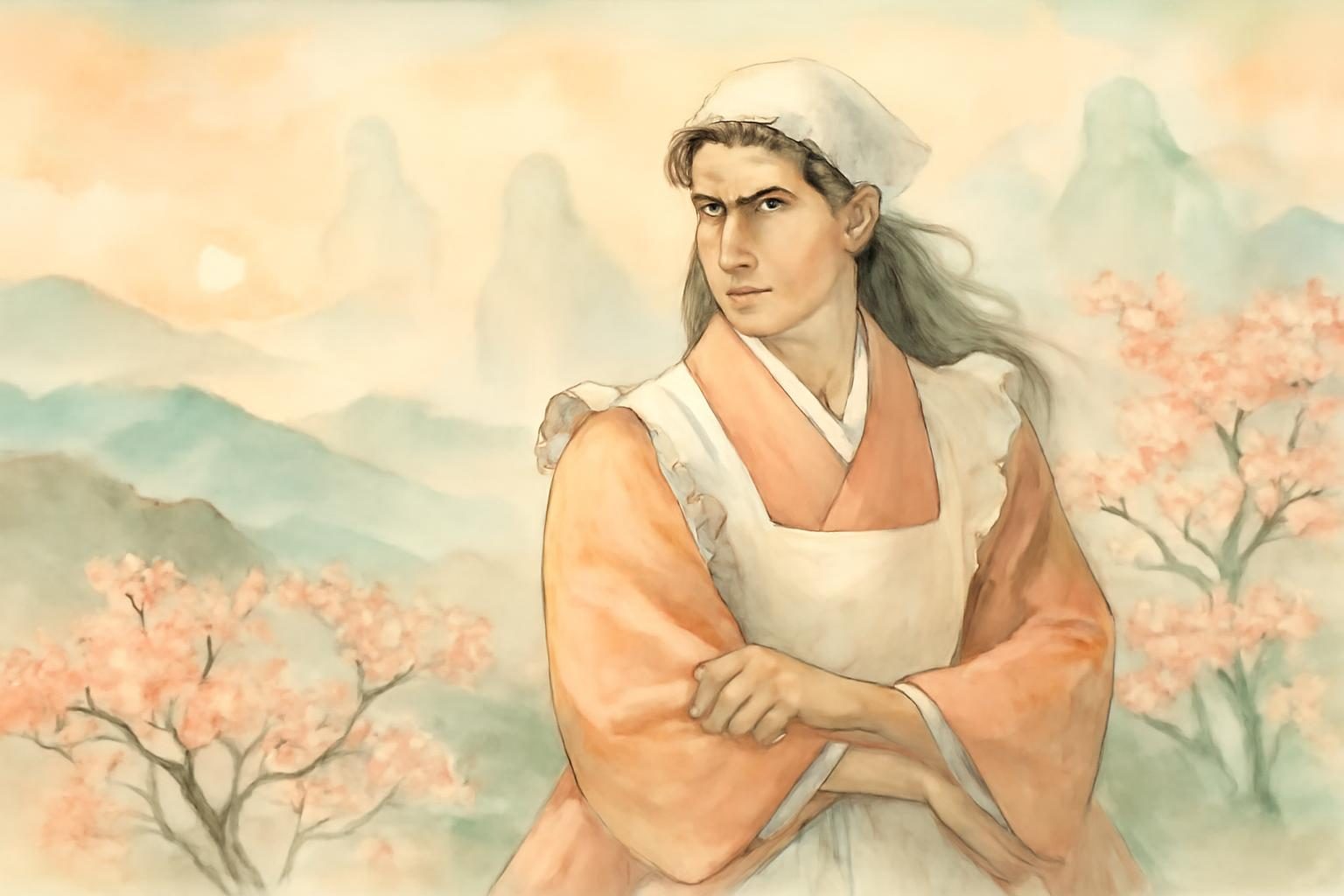
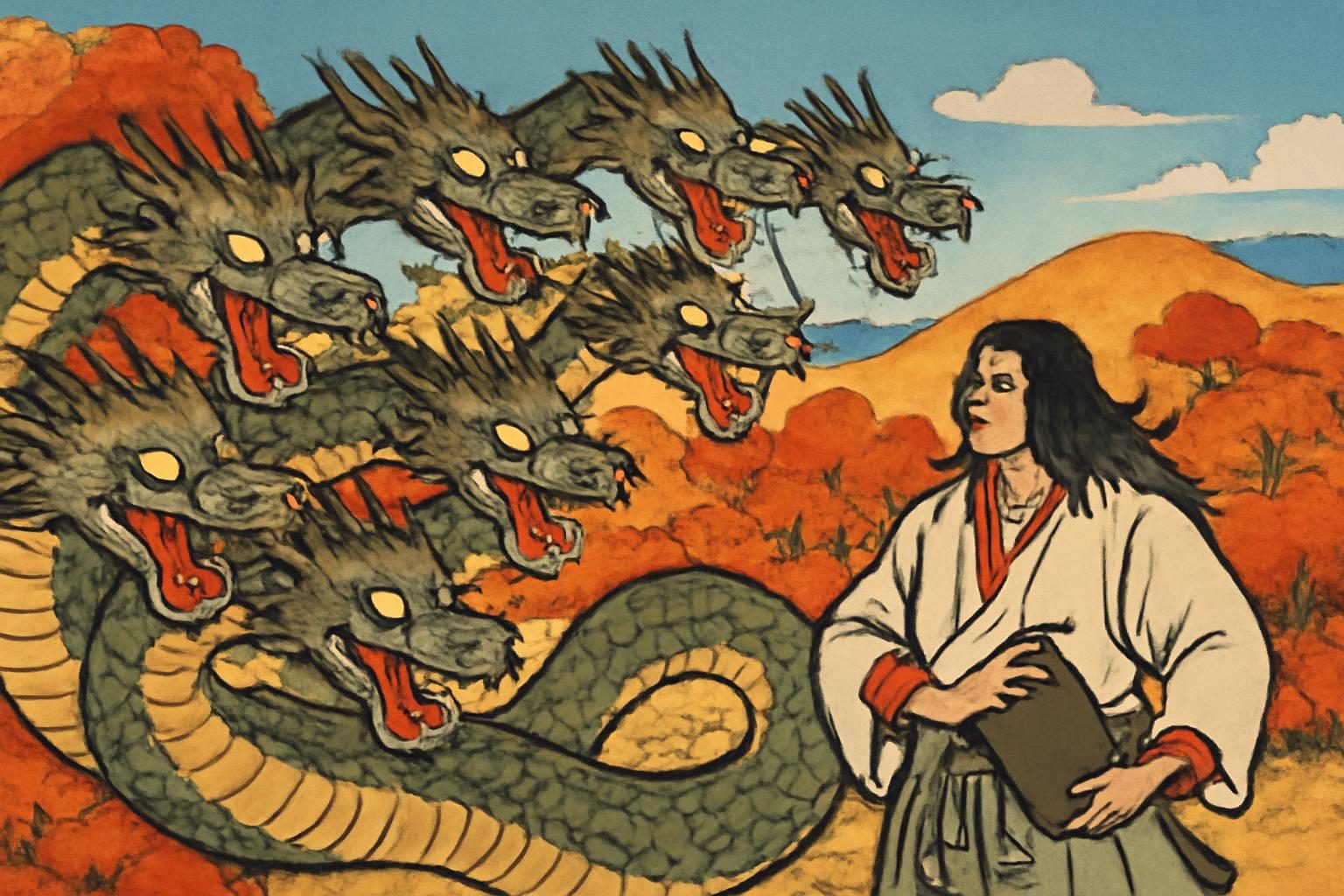
According to local legend, Nansonobo was a monk who lived near Lake Towada. The area was terrorized by a monstrous eight-headed serpent that emerged from the lake, wreaking havoc on the surrounding villages. Nansonobo, known for his spiritual prowess, confronted the serpent in a fierce battle. The monk’s bravery and spiritual power ultimately subdued the beast, bringing peace to the region. This tale is a testament to the monk’s heroism and the enduring struggle between good and evil.
The legend of Nansonobo is deeply embedded in the local culture, often recounted during festivals and community gatherings. It serves as a moral story, emphasizing the virtues of courage, faith, and the triumph of righteousness over malevolence. The tale is not only a part of the region’s folklore but also a reflection of the values that have been cherished by the people of Towada for generations.
LEGEND: Variants of the Serpent’s Form
One variant of the legend, as noted in local folklore, describes the serpent as a nine-headed dragon. This version adds a layer of complexity to the tale, suggesting that the creature was not merely a beast but a formidable dragon deity. The transformation from serpent to dragon highlights the creature’s mythical nature and its significance in local beliefs. The name ‘Towada’ is said to have originated from this legendary battle, symbolizing the triumph of good over evil. This etymological link between the legend and the place name underscores the cultural importance of the story in the region.
These variations in the legend reflect the rich tapestry of oral traditions that have evolved over time. Each retelling may emphasize different aspects of the story, such as the serpent’s formidable power or the monk’s spiritual strength. Such diversity in storytelling enriches the cultural heritage of Towada, allowing each generation to connect with the past in a meaningful way.

Towada Shrine: Center of Dragon Worship and Spiritualism
FACT: The Historical Significance of Towada Shrine
Towada Shrine, located near the shores of Lake Towada, is a sacred site that has long been associated with dragon worship. The shrine is dedicated to the dragon deities believed to inhabit the lake, and it serves as a focal point for spiritual activities and rituals. Visitors to the shrine can experience the serene environment and participate in traditional ceremonies that honor the legendary creatures. The shrine’s architecture and surrounding nature provide a tranquil setting for reflection and spiritual connection.
The shrine’s history is intertwined with the local legends, and it stands as a testament to the enduring spiritual beliefs of the community. Pilgrims and tourists alike are drawn to the shrine, not only to pay their respects but also to immerse themselves in the mystical atmosphere that pervades the area. The presence of the shrine reinforces the idea that Lake Towada is a place where the natural and supernatural coexist harmoniously.
FACT: Rituals and Offerings
At Towada Shrine, various rituals and offerings are performed to appease the dragon deities and seek their blessings. These practices are deeply rooted in the local culture and reflect the community’s reverence for the natural and supernatural elements of the lake. Visitors can witness these rituals during specific festivals and events, providing a glimpse into the spiritual life of the region.
Offerings typically include items such as rice, sake, and other traditional goods, which are believed to please the deities and ensure their favor. The rituals often involve chanting, prayer, and the use of sacred objects, all of which contribute to the solemn and reverent atmosphere of the shrine. Participating in or observing these rituals offers a unique insight into the spiritual traditions that continue to thrive in Towada.
Uranai-ba: The Historic Divination Spot at Lake Towada
FACT: The Current Status of Uranai-ba
Uranai-ba, or the Divination Spot, is located 150 meters up a mountain behind Towada Shrine. Although the original access via an iron ladder is now closed, divination can still be performed from alternative nearby shores. This site has been a place of spiritual significance, where visitors engage in divination practices to seek guidance and insights. The tradition of divination at Uranai-ba is believed to connect individuals with the spiritual forces of the lake, offering answers and direction in their lives.
Divination practices at Uranai-ba often involve the use of traditional tools and methods, such as casting stones or interpreting natural signs. These practices are seen as a way to communicate with the divine and gain insight into one’s path in life. The enduring popularity of Uranai-ba as a divination site highlights its significance as a spiritual landmark in the region.

The Oyorigami Ritual: How Visitors Make Wishes
LEGEND: The Tradition of Oyorigami
The Oyorigami ritual is a traditional practice where visitors create paper boats or figures, imbued with their wishes and prayers. These paper creations are then set afloat on the lake, carrying the hopes and dreams of the participants. This ritual is deeply rooted in the local culture and reflects the enduring connection between the people and the mystical elements of Lake Towada. The act of setting the paper boats adrift is symbolic of releasing one’s desires to the care of the lake’s spiritual guardians.
Participants in the Oyorigami ritual often gather in groups, sharing their intentions and supporting each other’s hopes. The communal aspect of the ritual fosters a sense of unity and shared purpose among those who take part. As the paper boats drift away, participants are reminded of the interconnectedness of their lives with the natural and spiritual world of Lake Towada.
Relics and Folklore: Iron Sandals and Dragon Transformations
LEGEND: The Symbolism of Iron Sandals
In some versions of the legend, Nansonobo is said to have worn iron sandals during his battle with the serpent. These sandals symbolize the monk’s strength and determination, allowing him to stand firm against the powerful creature. The transformation of the serpent into a dragon is another element of the folklore, representing the dual nature of the beast as both a destructive force and a revered deity. This transformation is a key motif in the legend, illustrating the complexity and depth of local beliefs.
The iron sandals are often depicted in local art and storytelling as a symbol of resilience and fortitude. They serve as a reminder of the monk’s unwavering resolve in the face of overwhelming odds. Similarly, the dragon transformation underscores the multifaceted nature of the legend, inviting interpretations that range from cautionary tales to celebrations of divine intervention.
Visiting Lake Towada: Tips for Exploring Aomori’s Sacred Sites
For those planning to visit Lake Towada, it is advisable to check the official website for current hours, fees, and access information to the various sites, including Towada Shrine and Uranai-ba. The area offers a unique blend of natural beauty and spiritual heritage, making it a memorable destination for travelers. Whether you are interested in exploring the legends, participating in rituals, or simply enjoying the stunning landscape, Lake Towada provides a rich and rewarding experience.

Related on JAPAN ESSENCE: Exploring Towada Shrine and the Legend of Lake Towada’s Dragon | Lake Kussharo Hokkaido: The Legend of Kussie and Ainu Heritage
Sources
To explore further, visit Zenkei (禅景) for Zen-inspired onigawara art and Kawara Kobo (瓦工房) for a hands-on kawara experience.