Category: Yokai

妖怪

  • Exploring Tōno: The Heart of Japanese Folklore and Yokai Legends

    Exploring Tōno: The Heart of Japanese Folklore and Yokai Legends

    In Tōno, Iwate Prefecture, the air is thick with tales of mystical creatures and ancient traditions, making it a must-visit for anyone intrigued by Japanese folklore.

    Kappa-buchi in Tono, Iwate prefecture, Japan
    “Kappa-buchi03s3872” by 663highland, CC BY 2.5, via Wikimedia Commons

    Introduction to Tōno: The Land of Japanese Folklore

    FACT: What the records say about Tōno Monogatari

    Tōno Monogatari, or The Legends of Tōno, published on June 14, 1910, by Kunio Yanagita, is a cornerstone of Japanese folklore studies. Compiled from tales gathered by Kizen Sasaki, this collection brought the mystical world of Tōno to the forefront of cultural consciousness. It established Tōno as a land rich in yokai and supernatural stories, making it a significant site for those interested in the cultural heritage of Japan.

    FACT: The significance of Tōno Monogatari

    Tōno Monogatari is not just a collection of tales; it is a cultural artifact that has shaped the understanding and appreciation of Japanese folklore. The stories within this collection highlight the unique blend of local beliefs and the supernatural, providing insight into the lives and imaginations of the people of Tōno. This work has been instrumental in preserving the oral traditions of the region and continues to be a vital reference for scholars and enthusiasts alike.

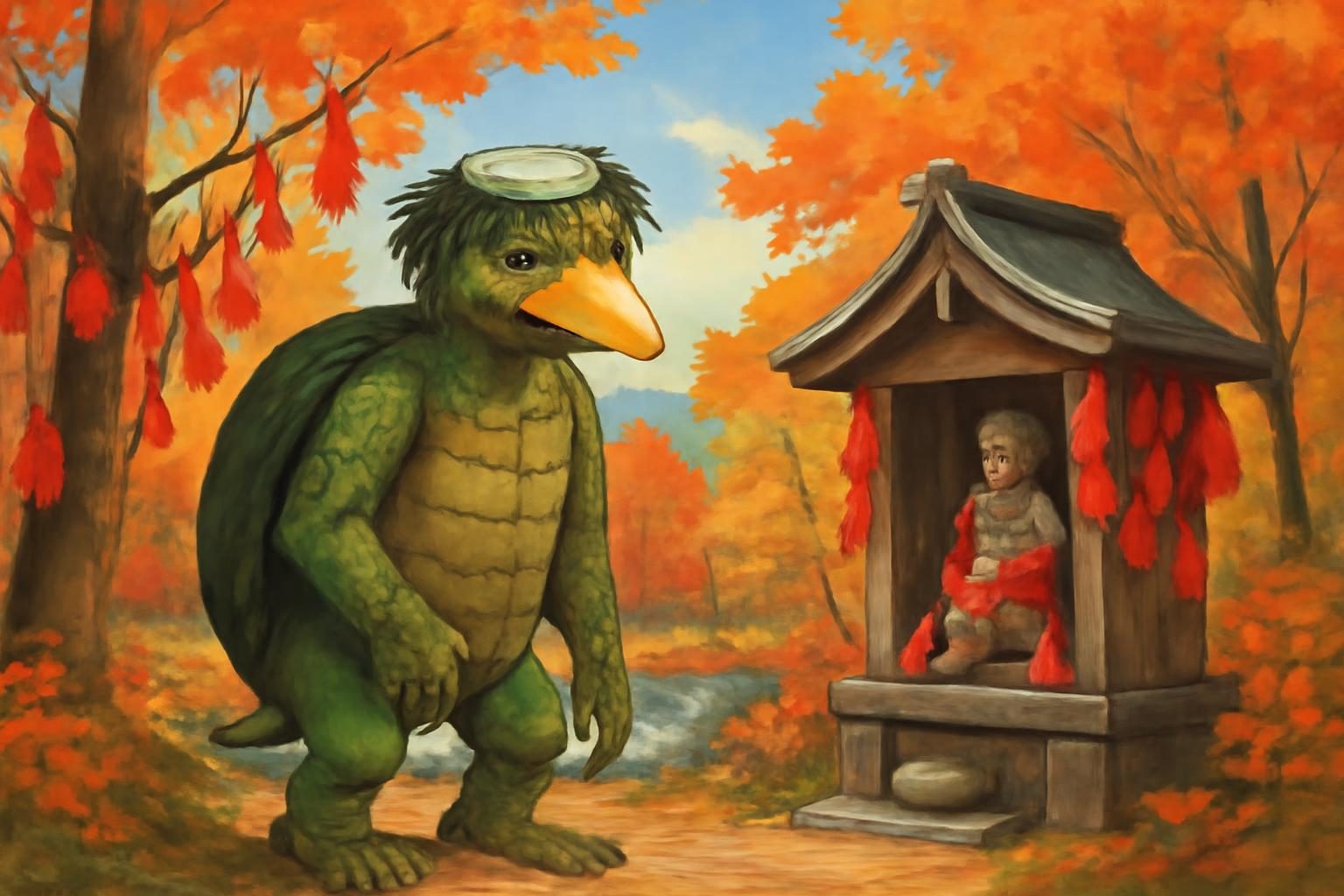
    Kappa at Kappa-buchi shrine with red-cloth tokens in autumn setting.
    AI生成イメージ / AI-generated illustration (not a photograph of the actual place)

    Uncovering Tōno Monogatari and Kunio Yanagita’s Legacy

    FACT: The legacy of Kunio Yanagita

    Kunio Yanagita, often hailed as the father of Japanese folklore studies, played a pivotal role in documenting and preserving the rich tapestry of oral traditions found in Tōno. His collaboration with Kizen Sasaki, a local storyteller, was crucial in capturing the essence of Tōno’s folklore. Yanagita’s work not only preserved these tales for future generations but also elevated the status of folklore as a legitimate field of academic study in Japan.

    Yanagita’s dedication to collecting and analyzing these stories helped to formalize folklore as a discipline, encouraging others to explore and document the cultural narratives of their own regions. His influence extends beyond Tōno, impacting the broader understanding of folklore across Japan and inspiring a deeper appreciation for the cultural narratives that shape communities.

    Kappa buchi, カッパ淵 - panoramio - Kappa-buchi
    “Kappa buchi, カッパ淵 – panoramio” (Kappa-buchi) by z tanuki, CC BY 3.0, source, via Wikimedia Commons

    Visiting Kappa-buchi: The Shaded Stream of Tōno’s Kappa

    FACT: What visitors can experience at Kappa-buchi

    Kappa-buchi, located behind Jōken-ji Temple in Tsuchibuchi-chō, Tōno, is a serene stream said to be the home of the kappa, a mischievous water creature from Japanese folklore. Visitors to Kappa-buchi can immerse themselves in the lore of these creatures by purchasing a playful “Kappa-catching permit” from Denshoen or the Tōno Tourism Association. This permit allows visitors to engage in the whimsical tradition of attempting to ‘catch’ a kappa using cucumbers as bait, with the humorous promise of a 10 million yen reward if successful.

    The experience at Kappa-buchi is not just about the playful pursuit of kappa, but also about connecting with the natural beauty of the area. The shaded stream provides a tranquil setting for reflection and exploration, inviting visitors to ponder the legends that have been passed down through generations. The presence of the kappa in local lore adds a layer of mystique to the landscape, enhancing the visitor’s appreciation of both the natural and supernatural elements of Tōno.

    LEGEND: The nursing deity shrine at Kappa-buchi

    According to local legend, Kappa-buchi is not only home to kappa but also features a small shrine dedicated to a nursing deity. Expecting or nursing mothers visit this shrine to offer breast-shaped red-cloth tokens, praying for abundant breast milk. This practice highlights the blend of folklore and local customs, where the mystical and the everyday intersect.

    This shrine serves as a poignant reminder of the community’s reliance on both spiritual beliefs and practical traditions to navigate life’s challenges. The red-cloth tokens, symbolizing the hopes and prayers of mothers, create a vibrant and touching display of faith and cultural continuity. Visitors can witness this unique aspect of Tōno’s cultural heritage, gaining insight into the ways in which folklore and daily life are intertwined.

    Jōken-ji Temple and the Legend of the Kappa-Komainu

    LEGEND: The story of the Kappa-Komainu

    Jōken-ji Temple is home to unique Kappa-komainu stone guardian statues, which feature concave depressions atop their heads. According to legend, these statues commemorate a kappa that helped extinguish a fire at the temple. This tale is a testament to the kappa’s dual nature in folklore as both trickster and helper, embodying the complex relationship between humans and yokai.

    The Kappa-komainu statues stand as silent witnesses to the stories that have shaped Tōno’s cultural landscape. Their distinctive design reflects the local community’s reverence for the kappa’s role in their history, blending artistic expression with narrative tradition. Visitors to Jōken-ji Temple can explore these statues and consider the ways in which folklore influences both the physical and spiritual realms of Tōno.

    FACT: Architectural and cultural significance of Jōken-ji Temple

    Beyond its legendary associations, Jōken-ji Temple is a site of architectural and cultural significance. The temple’s structures and statues offer a glimpse into the religious and artistic traditions of the region. Visitors can explore the temple grounds, appreciating the serene atmosphere and the intricate craftsmanship of the stone statues, which reflect the deep-rooted spiritual beliefs of the local community.

    The temple’s architecture, characterized by its traditional design and attention to detail, serves as a testament to the enduring cultural heritage of Tōno. As visitors wander through the temple grounds, they are enveloped in an atmosphere of tranquility and reverence, providing a deeper understanding of the spiritual and historical context of the region’s folklore.

    Kappa buchi, カッパ淵 - panoramio (1) - Kappa-buchi
    “Kappa buchi, カッパ淵 – panoramio (1)” (Kappa-buchi) by z tanuki, CC BY 3.0, source, via Wikimedia Commons

    Experiencing Traditional Life at Denshōen and Tōno Furusato Village

    FACT: Preserving Tōno’s cultural heritage at Denshōen

    Denshōen Park, also known as the Magariya folk village, offers a glimpse into the traditional life of Tōno. The park preserves traditional thatched-roof Magariya L-shaped farmhouses, including the Former Kikuchi Family Residence, an Important Cultural Property. Visitors can also explore the Oshira-dō hall, which houses wooden Oshirasama figures, and a memorial dedicated to Kizen Sasaki, further connecting the site to the rich folklore of the region.

    These preserved structures provide a tangible link to the past, allowing visitors to experience the architectural and cultural legacy of Tōno firsthand. The park’s commitment to preserving these historical buildings ensures that the stories and traditions of the area continue to be accessible to future generations, fostering a deeper appreciation for the region’s unique cultural identity.

    FACT: Exploring Tōno Furusato Village

    Tōno Furusato Village is another essential destination for those interested in the region’s cultural heritage. The village showcases traditional Magariya farmhouses, which are integral to the setting of Tōno Monogatari. These structures provide insight into the architectural styles and rural lifestyles of the past, allowing visitors to step back in time and experience the world as it was during the era of these legends.

    The village serves as a living museum, where the daily lives and practices of Tōno’s inhabitants are brought to life through carefully preserved environments. Visitors can explore the farmhouses and surrounding landscapes, gaining a deeper understanding of the historical context in which the legends of Tōno were born and nurtured.

    Locator map of Japan: Tōno, Iwate
    Legend site: Tōno, Iwate — Source: Map of Japan with highlight on 03 Iwate prefecture.svg; Map: Lincun, CC BY-SA 3.0, via Wikimedia Commons

    Regional guide

    Location: Tōno, Iwate Prefecture

    • Tōno Furusato Village (Tōno) — source
    • Tōno Municipal Museum (Tōno) — source

    Sources

    About the author — JAPAN ESSENCE Editorial Team. Our mission is to bring you Japan’s legends, myths, festivals and living traditions, through both historical fact and the stories passed down over generations.

  • Ubagabi Legend: Exploring the Ghost Lights of Kameoka’s Hozu River

    Ubagabi Legend: Exploring the Ghost Lights of Kameoka’s Hozu River

    In Kameoka, Kyoto Prefecture, the Hozu River is not only a scenic attraction but also the setting for the mysterious Ubagabi legend, a tale of ghost lights and spectral apparitions that has intrigued locals and visitors alike. This legend, deeply rooted in the cultural fabric of the region, offers a fascinating glimpse into the supernatural beliefs and folklore of Japan.

    Introduction to Kameoka and the Hozu River

    FACT: The Scenic Hozu River

    The Hozu River, known as Ōigawa in some contexts, is a picturesque waterway in Kameoka, Kyoto Prefecture. This river is renowned for the ‘Hozugawa Kudari,’ a boat ride that takes travelers from Kameoka to Arashiyama, offering breathtaking views of the surrounding landscapes. The river’s beauty is a significant draw for tourists, providing a tranquil escape into nature. The journey along the river is not just a visual treat but also an opportunity to connect with the historical and cultural essence of the area.

    As visitors embark on the Hozugawa Kudari, they are greeted with the serene beauty of the lush forests and towering cliffs that line the riverbanks. The ride offers a unique perspective of the region’s natural splendor, with each twist and turn revealing a new facet of the landscape. This immersive experience allows travelers to appreciate the harmonious blend of nature and culture that defines the Kameoka area.

    FACT: Kameoka’s Historical Significance

    Kameoka is situated in the former Tanba Province, a region with a rich history and cultural heritage. As the launch point for the Hozugawa boat ride, Kameoka serves as a gateway to exploring both the natural and historical wonders of Kyoto Prefecture. The area’s historical significance is reflected in its architecture, local traditions, and the enduring legends that continue to capture the imagination of those who visit.

    The town’s historical roots are evident in its well-preserved buildings and traditional crafts, which offer a window into the past. Visitors can explore these cultural treasures, gaining insight into the lives of those who have called Kameoka home throughout the centuries. This connection to history enriches the experience of exploring the region, adding depth to the scenic beauty that surrounds it.

    A mysterious ghost light hovers over a river at night, surrounded by forested mountains, in ukiyo-e style.
    AI生成イメージ / AI-generated illustration (not a photograph of the actual place)

    What Is Ubagabi? The Legend of the Ghost Light

    LEGEND: The Tale of Ubagabi

    According to legend, Ubagabi is a ghost-light associated with the Hozu River in Kameoka. The story tells of an old woman who lived near Kameyama, now part of Kameoka. She was said to have lured children into the river, leading to her own tragic drowning. After her death, a mysterious flame, known as Ubagabi, began to appear near the river, haunting the area with its eerie glow. This flame is described as a spectral light that hovers over the water, a haunting reminder of the old woman’s tragic fate.

    The legend of Ubagabi is often recounted with a sense of caution, serving as a warning to those who might venture too close to the river’s edge. The mysterious flame is said to flicker and dance across the water, its presence a chilling testament to the old woman’s sorrowful story. This spectral phenomenon captivates the imagination, inviting those who hear the tale to ponder the mysteries that lie beneath the river’s surface.

    LEGEND: Onibi and Water Spirits

    The Ubagabi legend ties into the broader motif of ‘onibi,’ or ghost lights, which are said to appear over water bodies in Japan. These spectral lights are often associated with spirits or supernatural phenomena, adding an air of mystery and intrigue to the regions they are said to haunt. The onibi are considered manifestations of restless spirits, often believed to be the souls of those who met untimely or tragic ends. In the case of Ubagabi, the flame’s appearance is a spectral echo of the old woman’s sorrow and guilt.

    Onibi legends are prevalent throughout Japan, each with its own unique characteristics and local variations. These ghost lights are often linked to natural elements, such as water, which are believed to harbor spiritual energy. The Ubagabi flame, with its ethereal glow, is a striking example of how these supernatural beliefs are woven into the cultural landscape, offering a glimpse into the spiritual world that lies just beyond the veil of the everyday.

    Shinotown Oji 裏山 Kameokacity Kyotopref Hozu river - Geography of Kameoka, Kyoto
    “Shinotown Oji 裏山 Kameokacity Kyotopref Hozu river” (Geography of Kameoka, Kyoto) by Mti, CC BY-SA 3.0, source, via Wikimedia Commons

    Historical Roots in Tanba Province

    FACT: Early Literary Records

    The Ubagabi legend is documented in early Japanese literature, including the ‘Kokon Hyaku Monogatari Hyōban’ and ‘Gazu Hyakki Yagyō.’ These sources record the presence of the ghost light in both the Tanba region, including Kameoka, and the Kawachi region, highlighting its enduring presence in Japanese folklore. Such literary records not only preserve the legend but also provide insights into the cultural and spiritual beliefs of the time, reflecting the way communities understood and interacted with the supernatural.

    These early texts serve as a testament to the rich oral traditions that have shaped Japanese folklore. By capturing stories like that of Ubagabi, they offer a window into the past, revealing how legends were used to explain the unexplainable and to impart moral lessons. The continued interest in these stories underscores their lasting impact on the cultural consciousness, inviting new generations to explore the mysteries of the past.

    The Hozu River: From Scenic Boat Rides to Folklore

    FACT: The Hozugawa Boat Ride

    The Hozugawa Kudari boat ride is a popular attraction that allows visitors to experience the natural beauty of the Hozu River while also immersing themselves in the folklore of the area. As the boats glide along the river, passengers can imagine the ghostly tales that have been passed down through generations, adding a layer of cultural depth to the journey. The boat ride is not merely a scenic experience but a cultural voyage, where the whispers of legends like Ubagabi seem to echo in the gentle lapping of the river’s waters.

    Guides on the boat ride often share stories of the Ubagabi and other local legends, enriching the experience with a narrative that blends history, myth, and nature. This storytelling tradition enhances the sense of connection to the region’s past, allowing visitors to engage with the folklore in a meaningful way. The journey becomes a shared exploration of cultural heritage, where each participant can reflect on the enduring power of stories to shape our understanding of the world.

    Hozuboat1 - Geography of Kameoka, Kyoto, Tour boats on the Hozu River
    “Hozuboat1” (Geography of Kameoka, Kyoto, Tour boats on the Hozu River) by No machine-readable author provided. Gakuro assumed (based on copyright claims)., CC BY-SA 3.0, source, via Wikimedia Commons

    Exploring Yokai Lore in Northern Kyoto

    LEGEND: Yokai and the Supernatural

    Yokai, or supernatural creatures and phenomena, are an integral part of Japanese folklore. The Ubagabi legend is one such tale, reflecting the rich tapestry of ghost stories and myths that permeate the cultural landscape of northern Kyoto. These stories continue to captivate the imagination, offering a glimpse into the region’s spiritual and mythical heritage. Yokai lore, with its diverse array of spirits and creatures, serves as a cultural mirror, reflecting the fears, hopes, and beliefs of the communities that have shared these stories through the ages.

    The fascination with yokai and their stories speaks to a broader human curiosity about the unknown and the mystical. In northern Kyoto, these tales are not just remnants of the past but living traditions that continue to inspire art, literature, and popular culture. The Ubagabi, with its haunting presence, is a reminder of the enduring allure of the supernatural, inviting all who encounter the legend to ponder the mysteries that lie beyond the ordinary.

    Locator map of Japan: Kameoka, Kyoto
    Legend site: Kameoka, Kyoto — Source: Map of Japan with highlight on 26 Kyoto prefecture.svg; Map: Lincun, CC BY-SA 3.0, via Wikimedia Commons

    Regional guide

    Location: Kameoka, Kyoto Prefecture

    • Hozu River (Hozugawa) scenic boat ride (Kameoka) — source

    Sources

    About the author — JAPAN ESSENCE Editorial Team. Our mission is to bring you Japan’s legends, myths, festivals and living traditions, through both historical fact and the stories passed down over generations.

  • Exploring Iso-onna: The Shore-Woman Yokai of Kakara Island in Saga

    Exploring Iso-onna: The Shore-Woman Yokai of Kakara Island in Saga

    In the coastal town of Karatsu, Saga Prefecture, the legend of Iso-onna, a mysterious shore-woman yokai, weaves a tapestry of intrigue and maritime lore. This enigmatic figure is said to haunt the shores of Kakara Island, a place known for its wild camellias and free-roaming cats.

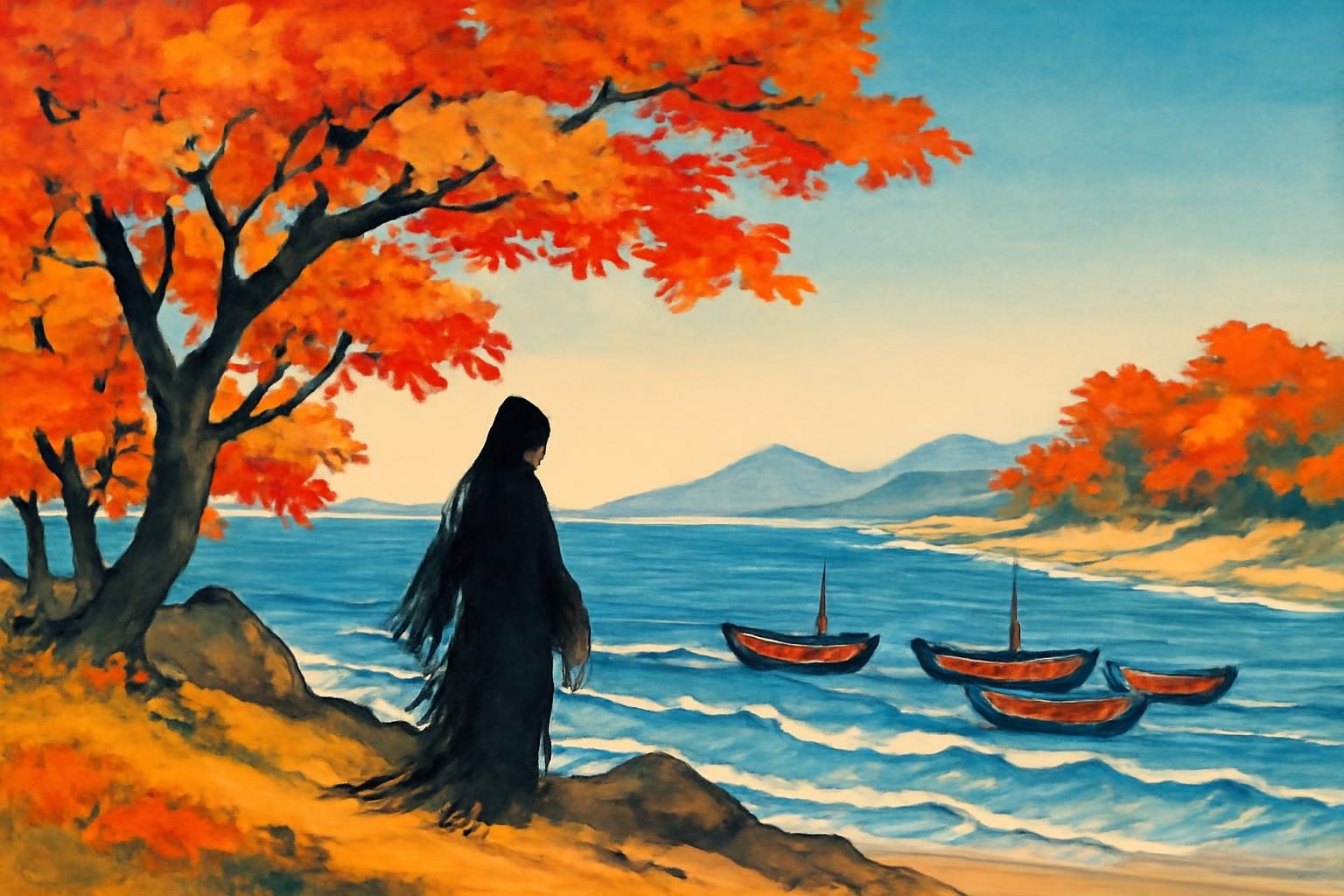
    Ukiyo-e island scene with a mysterious silhouette and colorful autumn trees under a bright blue sky.
    AI生成イメージ / AI-generated illustration (not a photograph of the actual place)

    Introduction to Iso-onna: The Shore-Woman of Northwestern Kyushu

    FACT: What the records say

    Iso-onna is a type of yokai, a supernatural entity in Japanese folklore, predominantly appearing along the northwestern coast of Kyushu, including areas like Amakusa, Shimabara, Tsushima, and notably, Kakara Island in Karatsu. This yokai is often depicted as a beautiful woman who lures sailors to their doom, embodying the dangers of the sea and the allure of the unknown. According to folklore scholars, Iso-onna is classified as a boundary or threshold yokai, appearing at the rocky shore or anchorage, distinct from deep-water monsters like Umibōzu. Her presence is a reminder of the thin line between safety and peril that sailors navigate.

    Folklore scholars emphasize that Iso-onna’s role as a boundary yokai highlights her connection to transitional spaces, where the land meets the sea. These areas are often seen as liminal zones, places of change and uncertainty. Iso-onna’s ability to traverse these spaces, moving between the sea and the shore, adds to her mystique and the fear she instills in those who encounter her. Her legend serves as a metaphor for the unpredictable nature of the sea, a force that can be both nurturing and destructive.

    LEGEND: The story of Iso-onna on Kakara Island

    According to legend, Iso-onna appears along the shores of Kakara Island, climbing mooring ropes to board boats and using her long hair to suck the blood of unsuspecting sailors. This fearsome reputation has led to various maritime customs aimed at avoiding her wrath. In Amakusa, for instance, boats would only drop anchor and refrain from tying stern mooring ropes to the shore, a practice also observed near Kakara Island, to prevent giving Iso-onna a path to climb aboard.

    The legend of Iso-onna on Kakara Island is deeply rooted in the local maritime culture. Sailors and fishermen, who often faced the unpredictable and dangerous conditions of the sea, found in this legend a way to explain the unexplainable. The practice of avoiding tying the stern rope became a ritualistic safeguard, a way to show respect and caution towards the supernatural forces believed to inhabit the waters. This custom reflects the blend of practical navigation and spiritual beliefs that characterize the region’s maritime traditions.

    LEGEND: The encounter at Takanosu

    One particular tale recounts an encounter at Takanosu on Kakara Island. As a boat crew was raising its stern rope, Iso-onna appeared and demanded raw fish. In a desperate attempt to escape, the crew severed the rope with a hatchet, narrowly avoiding her grasp. This story, passed down through generations, highlights the perilous nature of life at sea and the lengths to which sailors would go to protect themselves from supernatural threats.

    The encounter at Takanosu is a vivid illustration of the Iso-onna legend, capturing the tension and fear that sailors experienced. The act of severing the rope symbolizes a decisive break from danger, a dramatic gesture that underscores the immediacy of the threat posed by Iso-onna. This tale, like many in Japanese folklore, serves both as a cautionary story and a testament to human resilience in the face of supernatural adversity. It is a narrative that reinforces communal identity and shared cultural memory, reminding the community of the ever-present risks of their maritime environment.

    The Legend of Kakara Island and Maritime Folklore

    FACT: Kakara Island’s geographical and cultural significance

    Kakara Island, part of Karatsu City, is located in the Genkai Sea and is renowned for its natural beauty and cultural heritage. The island is famed for its wild camellias and is often referred to as a ‘cat island’ due to the numerous free-roaming cats that inhabit its harbor and village paths. These elements contribute to the island’s unique atmosphere, blending natural splendor with a sense of mystery.

    The island’s historical significance is further underscored by its association with the birth of King Muryeong of Baekje, as mentioned in the Nihon Shoki, highlighting its role as a maritime junction with the Korean Peninsula. This connection adds a layer of historical depth to the island, intertwining legend with documented history. Kakara Island’s position as a cultural and historical crossroads enhances its allure, offering visitors a glimpse into a past where legends and reality intertwine.

    LEGEND: Iso-onna’s influence on local customs

    The presence of Iso-onna in local folklore has influenced maritime practices around Kakara Island. Fishermen traditionally refrained from tying the stern mooring rope, known as tomo-zuna, when anchoring near the island, relying solely on the anchor to secure their vessels. This custom reflects the deep-rooted belief in Iso-onna’s ability to climb aboard via the rope, a testament to the enduring power of local legends in shaping daily life. Such practices illustrate the intersection of folklore and practical navigation techniques.

    The adherence to these customs demonstrates the profound impact of folklore on the community’s way of life. It highlights the respect for the unseen forces believed to govern the natural world, a respect that is woven into the fabric of daily activities. By observing these practices, the inhabitants of Kakara Island maintain a connection to their cultural heritage, ensuring that the stories of Iso-onna remain alive and relevant in contemporary times.

    View of Chinzeisho on Kakarashima 2026 - Cities in Japan
    “View of Chinzeisho on Kakarashima 2026” (Cities in Japan) by Pusf.smbd, CC BY-SA 4.0, source, via Wikimedia Commons

    Exploring Kakara Island Today: Cats and Wild Camellias

    FACT: Kakara Island as a tourist destination

    Today, Kakara Island attracts visitors not only for its folklore but also for its natural attractions. The island’s wild camellias are a significant draw, with the production of natural cold-pressed camellia oil being a local specialty. This oil, derived from the island’s abundant yabu-tsubaki trees, is highly prized for its quality and is a testament to the island’s rich natural resources. Visitors can explore the lush landscapes where these camellias flourish, offering a sensory experience of sight and scent.

    The camellia oil production on Kakara Island is a reflection of the island’s harmonious relationship with its natural environment. The process of creating this oil, though not detailed here, is a craft that has been perfected over generations, symbolizing the islanders’ deep knowledge of and respect for their natural resources. This local specialty not only supports the island’s economy but also serves as a tangible connection to the island’s natural beauty and cultural identity.

    FACT: The charm of the ‘cat island’

    Additionally, the island’s reputation as a ‘cat island’ adds to its charm, offering tourists the delightful experience of encountering numerous cats roaming freely along the picturesque paths of the harbor and village. These cats, integral to the island’s identity, create a whimsical and endearing atmosphere, attracting animal lovers and curious travelers alike. The interplay between the island’s natural beauty and its feline inhabitants creates a unique setting that captivates visitors.

    The presence of the cats on Kakara Island has become a symbol of the island’s serene and welcoming environment. These feline residents are more than just a tourist attraction; they are a living part of the island’s ecosystem and community. Their freedom to roam and interact with visitors adds an element of spontaneity and joy to the island experience, making each visit unique and memorable. The cats, alongside the legends and landscapes, contribute to the island’s enchanting allure.

    Karatsu Castle - Karatsu Castle
    “Karatsu Castle” (Karatsu Castle) by Unknown author, CC BY-SA 2.0, source, via Wikimedia Commons
    Locator map of Japan: Karatsu, Saga
    Legend site: Karatsu, Saga — Source: Map of Japan with highlight on 41 Saga prefecture.svg; Map: Lincun, CC BY-SA 3.0, via Wikimedia Commons

    Regional guide

    Location: Karatsu, Saga Prefecture

    • Wild camellias and cold-pressed camellia oil (Karatsu) — source
    • Cat island tourism (Karatsu) — source
    • Kakara Island (Karatsu) — source

    Sources

    About the author — JAPAN ESSENCE Editorial Team. Our mission is to bring you Japan’s legends, myths, festivals and living traditions, through both historical fact and the stories passed down over generations.

  • Exploring Mount Oeyama: The Legend of Shuten-doji in Kyoto

    Exploring Mount Oeyama: The Legend of Shuten-doji in Kyoto

    Mount Oeyama in Fukuchiyama, Kyoto Prefecture, is steeped in the rich folklore of Japan, most notably the legend of Shuten-doji, a fearsome demon said to have terrorized the region.

    Scroll 3 from 'Tale of Ōeyama' (Ōeyama emaki) the text accompanied by illustrations painted in ink, colours and gold on paper
    “Tale of Ōeyama (Ōeyama emaki) (CBL J. 1145) label QS:Len,"Tale of Ōeyama (Ōeyama emaki) (CBL J. 1145)"” by Unknown artist Unknown artist, Public domain, via Wikimedia Commons

    Introduction to Mount Oeyama and Kyoto’s Demon Legends

    FACT: The Geography of Oeyama

    Ōeyama is a mountain range located at the base of the Tango Peninsula, extending across Yosano, Fukuchiyama, and Miyazu in Kyoto Prefecture. This range is also known by the name Yosa-no-oyama. The area is renowned not only for its natural beauty but also for its deep roots in Japanese folklore, particularly the legend of Shuten‑dōji. The mountains provide a picturesque landscape that attracts both nature lovers and those interested in the cultural stories embedded in the region.

    Visitors to Ōeyama can enjoy the scenic beauty of the mountain range, which offers a variety of hiking trails and panoramic views. The landscape is characterized by lush forests and rugged terrain, making it a popular destination for outdoor enthusiasts. The region’s connection to the Shuten‑dōji legend adds a layer of mystique to the experience, inviting visitors to explore the stories that have been woven into the fabric of the land.

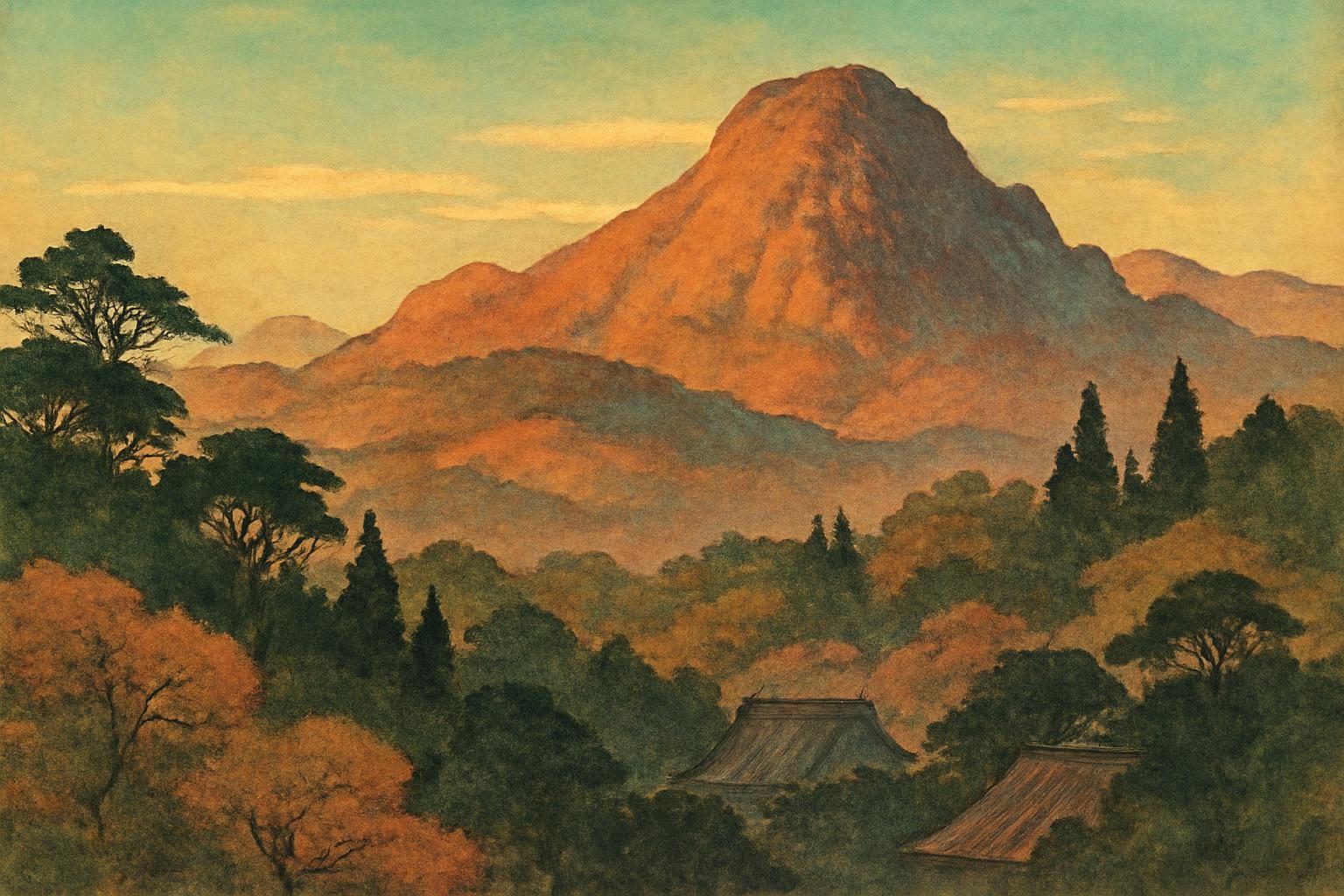
    Ukiyo-e-inspired scene of Mount Oeyama with lush forests and mountains under warm golden light, evoking Shuten-doji's legend.
    AI生成イメージ / AI-generated illustration (not a photograph of the actual place)

    The Legend of Shuten-doji: History and Folklore

    LEGEND: The Tale of Shuten-doji

    According to the 14th-century Ōeyama Ekotoba, Shuten‑dōji was a notorious demon who made Mount Ōe his home. The legend tells of his reign of terror, during which he abducted young women from Kyoto. His story is a classic narrative of good versus evil, culminating in his defeat at the hands of Minamoto no Raikō, a legendary hero. This tale has been passed down through generations, capturing the imagination of many and becoming a staple of Japanese folklore.

    The story of Shuten‑dōji is often depicted in various forms of art and literature, highlighting its significance in Japanese culture. The demon’s fearsome nature and the heroic deeds of Minamoto no Raikō are celebrated in numerous paintings, plays, and stories. These artistic interpretations not only preserve the legend but also offer insights into the cultural values and societal norms of the time.

    FACT: The Ōeyama Ekotoba

    The Ōeyama Ekotoba, or the Tale of Mount Ōe in Pictures and Words, is the oldest surviving illustrated scroll of the Shuten‑dōji legend, dating back to the 14th century. This scroll is a crucial historical document, preserving the narrative and artistic interpretations of the legend. It offers a visual representation of the story, providing insights into the cultural and artistic context of the time.

    The illustrations in the Ōeyama Ekotoba are rich in detail, depicting the various scenes and characters from the legend. These images serve as a window into the past, showcasing the artistic styles and techniques used by the creators. The scroll is not only a testament to the enduring power of the Shuten‑dōji story but also an invaluable resource for historians and art enthusiasts interested in the evolution of Japanese art.

    Onigawara statue at Oeyama Onigawara Park Fukuchiyama - Onigawara
    “Onigawara statue at Oeyama Onigawara Park Fukuchiyama” (Onigawara) by Peguiru, CC BY-SA 4.0, source, via Wikimedia Commons

    Exploring the Oeyama Mountain Range

    FACT: Visiting Ōeyama

    The Ōeyama mountain range is not only a place of natural beauty but also a site of cultural significance due to its connection to the Shuten‑dōji legend. Visitors can explore the area, hike the trails, and imagine the tales of old that have been told about this mystical place. The lush forests and serene landscapes offer a perfect backdrop for those seeking to immerse themselves in the legend’s atmosphere.

    As visitors traverse the trails of Ōeyama, they can encounter various landmarks associated with the legend. These include ancient shrines and markers that pay homage to the stories of Shuten‑dōji and the heroes who defeated him. The experience of walking through these historical sites allows visitors to step back in time and connect with the rich tapestry of myths and legends that define the region.

    Notice: The Shin-Dōji suspension bridge over the Futase River gorge is closed for repair from September to the end of December 2026 (planned), so it cannot be crossed during this period. Please check Fukuchiyama City’s official Futase River gorge page for the latest status before visiting.

    Visit the Japan Oni Cultural Museum in Fukuchiyama

    FACT: A Museum Dedicated to Oni Legends

    Fukuchiyama City hosts the Japan Oni Cultural (Exchange) Museum at the foot of Ōeyama. This museum is dedicated to demon legends, including that of Shuten‑dōji, offering visitors a deeper understanding of the cultural significance of these stories in Japanese folklore. The museum features exhibits that explore the history and mythology of oni, providing a comprehensive look at how these creatures have been represented in Japanese culture.

    The museum is an essential stop for anyone interested in the folklore of Japan. It houses a variety of exhibits, including artifacts, artworks, and interactive displays that engage visitors of all ages. Through these exhibits, the museum aims to educate and inspire, shedding light on the fascinating world of oni and their place in Japanese history and culture.

    Planning Your Trip to Fukuchiyama and Oeyama

    FACT: Local Festivals and Cultural Branding

    Fukuchiyama hosts an Oni festival and has developed Oni-related cultural branding, such as Oni-Oni Day on February 2, based on the Ōeyama Shuten‑dōji legend. These events celebrate the local folklore and offer a unique cultural experience for visitors. The festival features traditional music, dance, and performances that bring the legend to life, allowing visitors to experience the vibrant culture of the region firsthand.

    These festivals are a highlight of the local cultural calendar, attracting visitors from across Japan and beyond. They provide an opportunity to witness the living traditions of the area, with performances and activities that showcase the rich heritage of the region. Participating in these events offers a deeper connection to the stories and legends that define Fukuchiyama, making it a memorable experience for all who attend.

    Locator map of Japan: Fukuchiyama, Kyoto
    Legend site: Fukuchiyama, Kyoto — Source: Map of Japan with highlight on 26 Kyoto prefecture.svg; Map: Lincun, CC BY-SA 3.0, via Wikimedia Commons

    Regional guide

    Location: Fukuchiyama, Kyoto Prefecture

    • Japan Oni Cultural Museum (Fukuchiyama) — source
    • Ōeyama (mountain range) (Fukuchiyama) — source

    Sources

    About the author — JAPAN ESSENCE Editorial Team. Our mission is to bring you Japan’s legends, myths, festivals and living traditions, through both historical fact and the stories passed down over generations.

  • Exploring Japanese Folklore: The Yōkai Legends of Kameoka and Nantan

    Exploring Japanese Folklore: The Yōkai Legends of Kameoka and Nantan

    In the heart of Kyoto Prefecture lies the region of southern Tanba, where the legends of yōkai, or supernatural creatures, have been passed down through generations. Among these tales, the story of the Tsurube-otoshi stands out, captivating the imagination of locals and visitors alike.

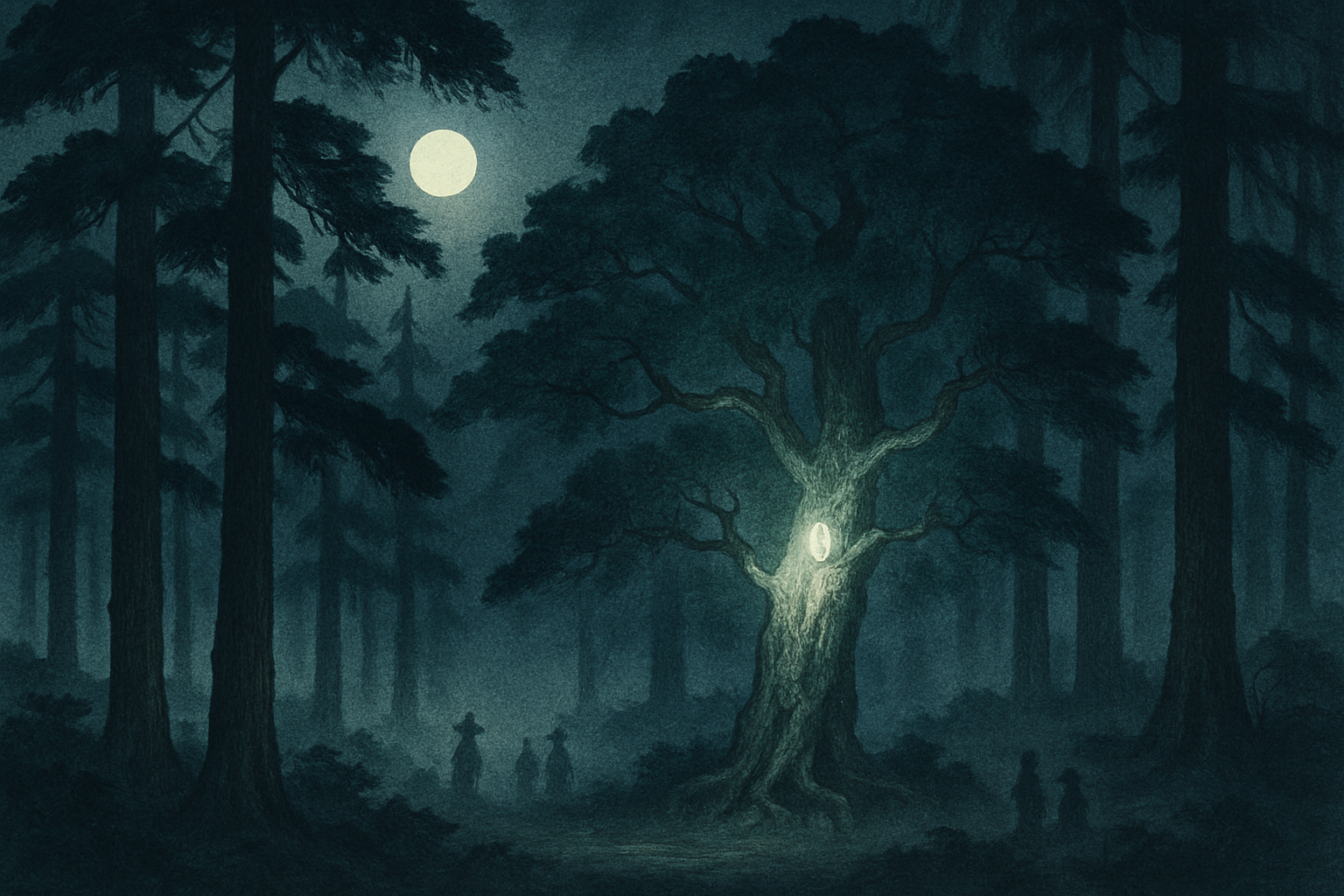
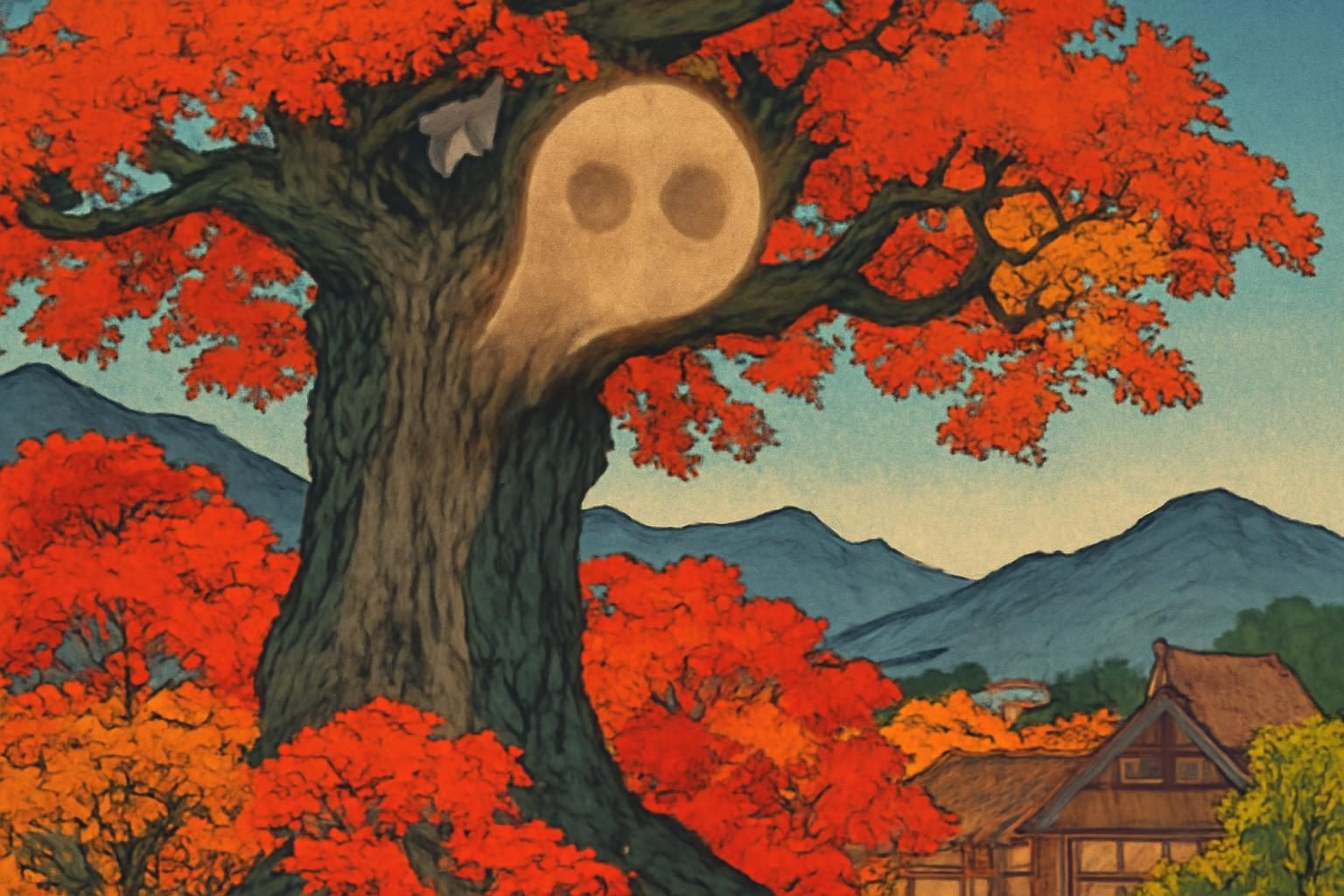
    Ukiyo-e-inspired mystical forest with kaya trees and eerie night ambience, evoking Tsurube-otoshi folklore.
    AI生成イメージ / AI-generated illustration (not a photograph of the actual place)

    Introduction to Southern Tanba Folklore

    FACT: What the records say

    The Tsurube-otoshi is a yōkai known for its eerie presence in the folklore of southern Tanba, particularly in the areas now known as Kameoka and Nantan. According to historical records, the densest cluster of these legends is found here, making it a significant location for those interested in Japanese folklore.

    The Legend of Tsurube-otoshi in Kameoka

    LEGEND: The story from Hōki

    According to the Taishō-period oral legend collection “Kuchitanba Kōhi Shū,” in the Hōki section of former Sogabe village, now part of Kameoka, a Tsurube-otoshi is said to drop from a kaya tree. It sniggers, “has your night work ended, how ’bout we drop a bucket, gii-gii,” before rising back up. This chilling tale has been recounted through generations, adding to the mystique of the area.

    LEGEND: The tale from Tera

    In another part of Sogabe village, known as the Tera section, the legend describes a Tsurube-otoshi appearing as a severed head that drops from an old pine tree. It is said to devour people before disappearing for two to three days, only to reappear later. This gruesome tale highlights the fearsome nature of this yōkai.

    Folklore Sites and Landmarks in Nantan

    LEGEND: The haunted tree of Tomimoto

    In Tomimoto, now part of Nantan, an ivy-wrapped tree was feared as a site where the Tsurube-otoshi might appear. This legend adds to the area’s rich tapestry of folklore, drawing those intrigued by supernatural tales.

    Exploring the History of Kameoka

    FACT: Historical significance

    Kameoka is not only rich in folklore but also in history. The site of Tanba Kameyama Castle is a testament to the area’s historical importance, offering visitors a glimpse into the past.

    Local Flavors and Specialties of the Region

    FACT: Culinary delights

    Kameoka is renowned for its local produce, including Tamba Daigon azuki beans and Kameoka beef. These specialties are celebrated for their quality and are a must-try for any visitor to the region.

    Plan Your Journey Through Tanba’s Mythical Countryside

    With its rich tapestry of folklore and history, southern Tanba offers a unique journey into the world of Japanese legends. Whether you’re drawn by the tales of the Tsurube-otoshi or the area’s historical sites, Kameoka and Nantan provide a captivating experience.

    Locator map of Japan: Kameoka, Kyoto
    Legend site: Kameoka, Kyoto — Source: Map of Japan with highlight on 26 Kyoto prefecture.svg; Map: Lincun, CC BY-SA 3.0, via Wikimedia Commons

    Regional guide

    • Tamba Daigon azuki beans (Kameoka) — source
    • Kameoka beef (Kameoka) — source
    • Site of Tanba Kameyama Castle (Kameoka) — source

    Sources

    About the author — JAPAN ESSENCE Editorial Team. Our mission is to bring you Japan’s legends, myths, festivals and living traditions, through both historical fact and the stories passed down over generations.

  • Japanese Folklore: Kyoto’s Ghost Stories

    Japanese Folklore: Kyoto’s Ghost Stories

    Kyoto Prefecture, steeped in history and tradition, is also a land of mysterious tales and ghostly encounters. Among these, the legend of the Ubagabi ghost-light stands out, casting an eerie glow over the Hozu River in Tanba.

    Introduction to Kyoto’s Supernatural Folklore

    FACT: What the records say

    The ubagabi, or ‘old woman’s fire,’ is a type of atmospheric ghost-light found in Japanese folklore, particularly in the legends of Kawachi Province (now Osaka Prefecture) and Tanba Province (now northern Kyoto Prefecture). This phenomenon is often described as a will-o’-the-wisp, appearing on rainy nights as an orange fireball that sometimes reveals the face of an old woman or transforms into a bird shape. These traditions are especially prevalent around Hiraoka in Kawachi and along the Hozu River in Tanba.

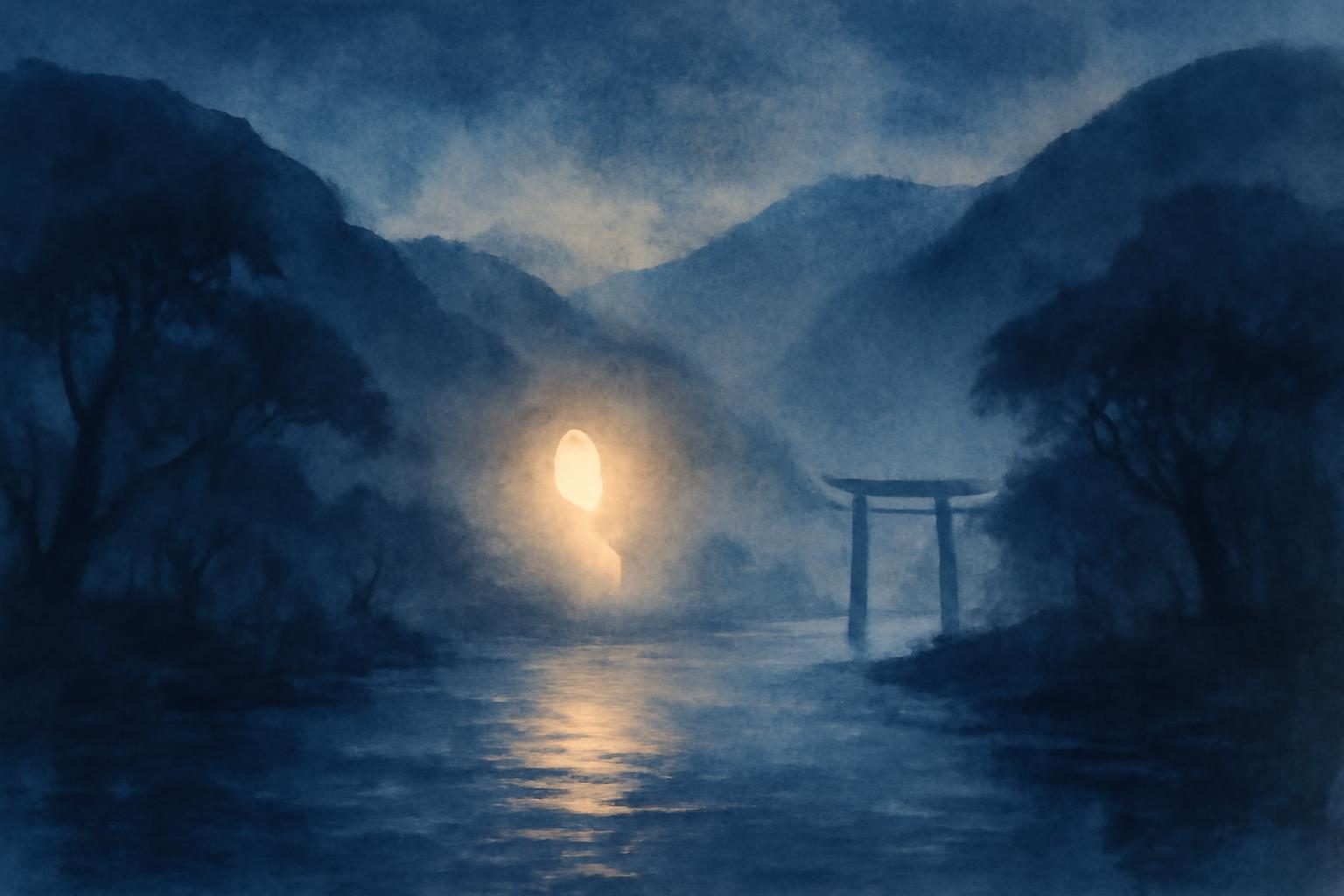
    Mysterious ghost-light floats over a river, surrounded by misty mountains and trees, creating an eerie night scene.
    AI生成イメージ / AI-generated illustration (not a photograph of the actual place)

    The Legend of Ubagabi: The Ghost-Light of Tanba

    LEGEND: The story of the Hozu River

    According to legend, the ubagabi first appeared near the Hozu River in Kyoto Prefecture after a tragic event. An old woman, living near Kameyama (now Kameoka), was said to have drowned in the river after betraying children. Following her death, a mysterious flame began to appear near the river, believed to be her restless spirit manifesting as the ubagabi.

    The Hozu River: Where Folklore Meets Nature

    FACT: A scenic and storied location

    The Hozu River, flowing through the picturesque landscapes of Kyoto Prefecture, is not only known for its ghostly legends but also for its natural beauty. The river is a popular spot for scenic boat tours, attracting tourists who wish to experience the serene and sometimes eerie atmosphere of this storied waterway.

    Ichijo Modoribashi: The Legendary Bridge Between Worlds

    FACT: A bridge with a history

    Ichijō Modoribashi, located in Kyoto City’s Kamigyō Ward, spans the Horikawa River and is steeped in folklore. This small bridge is associated with legends from the Heian period, often described as a boundary between the human world and the realm of yōkai, or supernatural creatures. One famous tale involves the warrior Watanabe no Tsuna, who is said to have cut off the arm of the demon Ibaraki Dōji at this very spot.

    Exploring Kyoto’s Yōkai Sites Safely as a Traveler

    FACT: Visiting with respect and curiosity

    For those intrigued by the supernatural, Kyoto offers a wealth of sites connected to its rich tapestry of folklore. When visiting places like the Hozu River or Ichijō Modoribashi, it is important to approach with respect for the cultural and historical significance of these locations. Whether you’re drawn by the legends or the natural beauty, these sites offer a unique glimpse into the mystical side of Japan.

    Planning Your Mythological Journey Through Kyoto Prefecture

    Kyoto’s blend of history, culture, and folklore makes it a fascinating destination for those interested in Japan’s supernatural heritage. From the ghost-lights of the Hozu River to the legendary Ichijō Modoribashi, the prefecture is a treasure trove of stories waiting to be explored.

    Locator map of Japan: Hozu River, Kyoto
    Legend site: Hozu River, Kyoto — Source: Map of Japan with highlight on 26 Kyoto prefecture.svg; Map: Lincun, CC BY-SA 3.0, via Wikimedia Commons

    Regional guide

    • Ichijō Modoribashi (Bridge of Return) — source

    Sources

    About the author — JAPAN ESSENCE Editorial Team. Our mission is to bring you Japan’s legends, myths, festivals and living traditions, through both historical fact and the stories passed down over generations.

  • Discover Ushi-oni: Japan’s Mythical Ox-Demon and Where to Find Its Legends

    Discover Ushi-oni: Japan’s Mythical Ox-Demon and Where to Find Its Legends

    The Ushi-oni, a mythical creature from Japanese folklore, is a fascinating yōkai known for its fearsome appearance and deep roots in the legends of western Japan. Often depicted with the head of an ox and a spider-like body, the Ushi-oni is said to haunt coastal areas, rivers, and mountain pools, striking fear into the hearts of those who encounter it.

    Ukiyo-e style illustration of a mythical scene with an Ushi-oni, mountains, river, and trees in warm afternoon light.
    AI生成イメージ / AI-generated illustration (not a photograph of the actual place)

    What Is the Ushi-oni? Exploring Japan’s Ox-Demon Yokai

    The Ushi-oni, or ox-demon, is a legendary creature that has captured the imagination of people in western Japan for centuries. Its depiction varies, but it is commonly described as having an ox’s head and a body resembling that of a spider. This unique combination of features contributes to its terrifying reputation, as it is believed to dwell in remote and often dangerous locations such as deep pools and mountainous regions.

    Where the Legend Began: Coasts and Rivers of Western Japan

    The legend of the Ushi-oni is deeply rooted in the geography of western Japan. The creature is said to appear primarily along the coasts and in the secluded pools of rivers and streams. These locations, often shrouded in mist and mystery, provide the perfect backdrop for the tales of this fearsome yōkai. While the Ushi-oni’s exact form may vary across different stories, its association with these natural settings remains a constant theme.

    Negoro-ji Temple: Relics and Statues in Kagawa Prefecture

    One of the most intriguing connections to the Ushi-oni legend can be found at Negoro-ji Temple in Kagawa Prefecture. Here, horns believed to belong to a slain Ushi-oni are preserved, adding a tangible element to the myth. These relics, said to have been taken by the archer Yamada Kurando Takakiyo, serve as a reminder of the creature’s legendary presence. A statue of the Ushi-oni also stands near the temple gate, further cementing its place in local folklore.

    The Uwajima Ushi-oni Festival: Summer Traditions in Ehime

    Every year, the city of Uwajima in Ehime Prefecture comes alive with the vibrant celebrations of the Uwajima Ushi-oni Festival. Held from July 22 to 24, this festival is a testament to the enduring cultural significance of the Ushi-oni. The event features parades of large Ushi-oni effigies, traditional music, and various rituals aimed at purification. These effigies, often towering and elaborately decorated, are carried through the streets, their heads shaking in a symbolic gesture rather than the feared biting action.

    What to Expect at the Uwajima Ushi-oni Festival Parades

    The parades during the Uwajima Ushi-oni Festival are a spectacle not to be missed. Participants carry the massive Ushi-oni floats, accompanied by the sounds of bamboo flutes and rhythmic chants. The festival also includes bullfighting, dancing, and a stunning fireworks display, making it a comprehensive celebration of local tradition and folklore. This vibrant event not only honors the mythical creature but also brings the community together in a joyous celebration of their cultural heritage.

    Planning Your Visit to Western Japan’s Yokai Sites

    For those interested in exploring the rich tapestry of yōkai legends in western Japan, a visit to the sites associated with the Ushi-oni is a must. From the historic Negoro-ji Temple in Kagawa to the lively Uwajima Ushi-oni Festival in Ehime, these locations offer a unique glimpse into the region’s folklore and traditions. Whether you’re drawn by the allure of the Ushi-oni’s fearsome legend or the vibrant cultural festivities, western Japan provides a captivating journey into the heart of its mythical past.

    Regional guide

    • Uwajima Ushi‑oni Festival — source
    • Negoro‑ji temple in Kagawa — source

    Sources

    About the author — JAPAN ESSENCE Editorial Team. Our mission is to bring you Japan’s legends, myths, festivals and living traditions, through both historical fact and the stories passed down over generations.

  • Discovering Tsurube-otoshi: The Bucket-Dropping Yokai of Tanba

    Discovering Tsurube-otoshi: The Bucket-Dropping Yokai of Tanba

    The Tsurube-otoshi is a fascinating yokai from Japanese folklore, particularly associated with the Tanba region, now part of northern Kyoto Prefecture. Known for its eerie antics of dropping from trees, this legendary creature has captured the imagination of many with its unique and unsettling behavior.

    Ukiyo-e style depiction of a Tsurube-otoshi legend scene with a kaya tree, autumn colors, and a blue sky.
    AI生成イメージ / AI-generated illustration (not a photograph of the actual place)

    Introduction to Tsurube-otoshi and Japanese Yokai Folklore

    Yokai are supernatural creatures in Japanese folklore, often depicted as mysterious and sometimes malevolent entities. The Tsurube-otoshi, or “bucket-dropping” yokai, is one such entity, primarily known in the Kansai and Tōkai regions of Japan. This yokai is part of a broader tapestry of myths and legends that continue to intrigue and inspire both locals and visitors.

    The Legend of the Bucket-Dropping Spirit in Tanba

    The Tsurube-otoshi legend is particularly prevalent in the former Sogabe village area, now part of Kameoka in Kyoto Prefecture. According to the legend, this yokai drops from a tree, often a kaya tree, and then rises back up. In Hōki, a part of the former Sogabe village, the Tsurube-otoshi is said to drop from a kaya tree, uttering the words, “Yagyō sunda ka? Tsurube oroso ka? gii-gii” (“Has your night work ended? Shall I lower the bucket? Creak, creak”), followed by a laugh as it ascends back into the tree.

    Variations of the Legend

    In another version from the Tera section of Sogabe, the Tsurube-otoshi is depicted as a severed head that falls from an old pine tree. This version of the legend describes the head as devouring humans before disappearing for two to three days, only to reappear again. Such variations highlight the rich oral tradition and the diverse interpretations of this yokai across different localities.

    Regional Variations: From Kyoto to Shiga and Aichi

    The Tsurube-otoshi legend is not confined to Kyoto alone. It appears in multiple prefectures, including Shiga, Gifu, Aichi, and Wakayama, taking various forms such as severed heads, buckets, fireballs, and eerie lights. However, the motif of buckets dropping from trees is primarily associated with the Kansai and Tōkai regions, while other areas might feature different phenomena like falling fireballs or pans.

    Oral Traditions and the Kuchitanba Kohi Shu

    The primary source for the Tsurube-otoshi legend in the Tanba region is the Taishō period local research documentation known as “Kuchitanba Kōhi Shū” (“Collection of Oral Legends about Kuchitanba”). This collection provides valuable insights into the oral traditions and cultural heritage of the region, preserving the stories and myths that have been passed down through generations.

    Exploring the Landscapes of Kameoka and Northern Kyoto

    Kameoka, where the Tsurube-otoshi legend is most prominently featured, offers a picturesque landscape that complements its rich folklore. The natural beauty of the area, with its dense forests and ancient trees, provides an ideal setting for tales of mysterious yokai and supernatural occurrences. Visitors to Kameoka can explore these landscapes, immersing themselves in the atmosphere that has inspired such captivating legends.

    Why Yokai Legends Still Fascinate Travelers in Japan

    The enduring appeal of yokai legends like Tsurube-otoshi lies in their ability to evoke a sense of wonder and mystery. These stories offer a glimpse into the cultural psyche of Japan, reflecting the fears, beliefs, and imaginations of past generations. For travelers, exploring these legends provides a unique opportunity to connect with Japan’s rich cultural heritage and experience the enchanting world of yokai firsthand.

    About the author — JAPAN ESSENCE Editorial Team. Our mission is to bring you Japan’s legends, myths, festivals and living traditions, through both historical fact and the stories passed down over generations.

  • Uncovering Tsurube-otoshi: The Legend of Japan’s Dropping Well-Bucket Spirit

    Uncovering Tsurube-otoshi: The Legend of Japan’s Dropping Well-Bucket Spirit

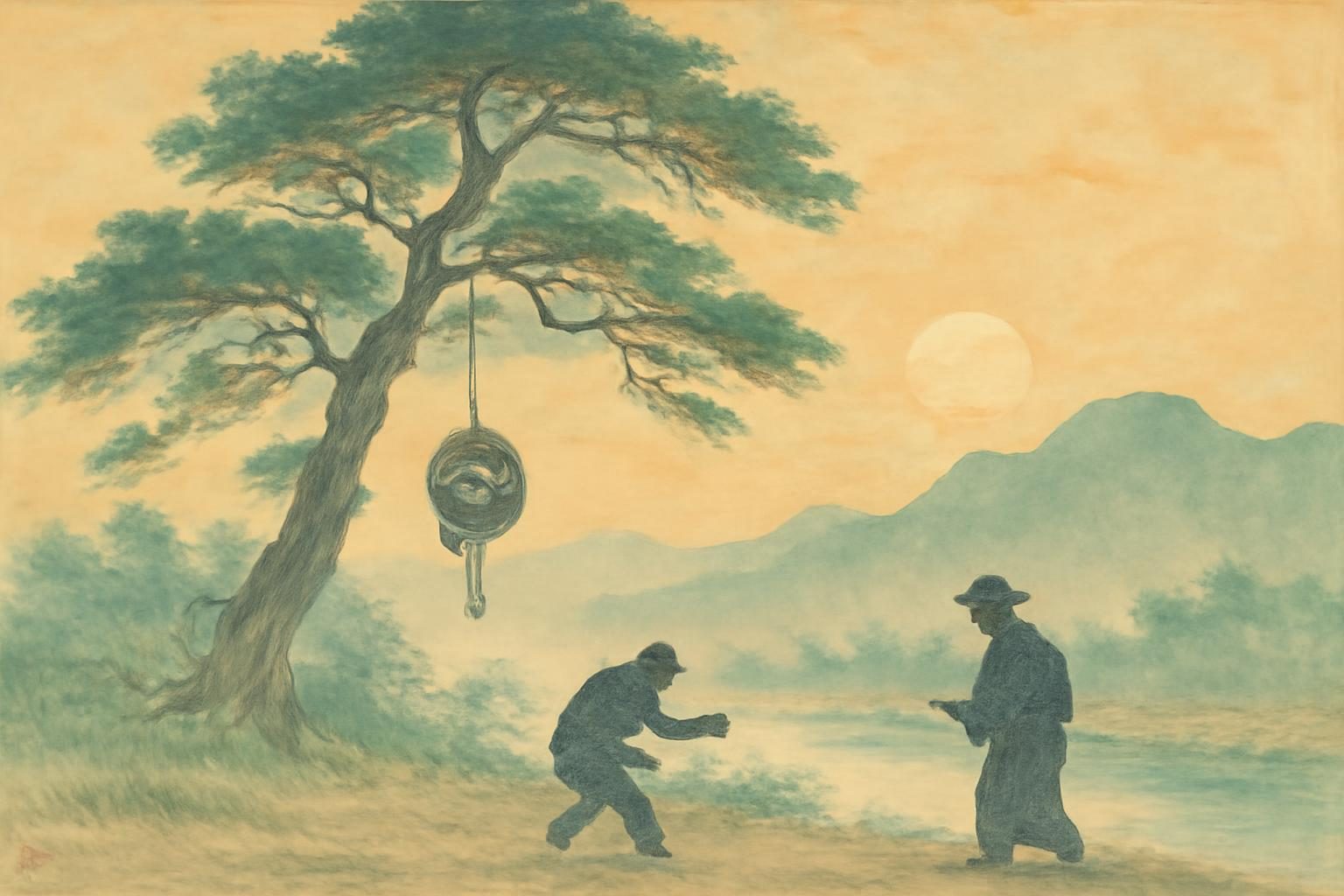
    Ukiyo-e style illustration of Tsurube-otoshi near a kaya tree at sunrise with mist, mountains, and a river.
    AI生成イメージ / AI-generated illustration (not a photograph of the actual place)

    Introduction to Tsurube-otoshi

    The Tsurube-otoshi is one of the intriguing figures in Japanese yokai legends. Known as the dropping well-bucket spirit, this yōkai is deeply rooted in the folklore of Japan, particularly in the Kyoto region. The legend of Tsurube-otoshi captures the imagination with its eerie presence and mysterious behavior, often associated with trees and the night.

    The Origins of the Legend in Kyoto

    The legend of Tsurube-otoshi is prominently found in the southern Tanba region of Kyoto Prefecture. It was recorded in the Taishō-period folklore collection ‘Kuchitanba Kōhishū’. In this version of the tale, the spirit descends from a kaya tree, laughing and uttering a haunting phrase before ascending again. This version of the legend is specific to Sogabe, now part of Kameoka, and highlights the spirit’s connection to nature and the supernatural.

    FACT: The Tsurube-otoshi in Southern Tanba

    In the southern Tanba region, the Tsurube-otoshi is said to appear from a kaya tree, a type of Japanese nutmeg tree. The spirit is known to descend, laugh, and speak, before disappearing back into the tree. This account is part of the local folklore and has been preserved through oral traditions and written records.

    LEGEND: The Haunting Phrase

    According to the legend, the Tsurube-otoshi utters a phrase that translates to something like “Finished your night work? Shall I lower the bucket?—gii-gii”. This phrase adds to the mystique of the spirit, as it suggests a connection to the night and possibly to the labor of those who encounter it.

    Regional Variations Across Japan

    While the Tsurube-otoshi is closely associated with the Kyoto region, it is not confined to it. Variants of the legend exist in other parts of Japan, each adding unique elements to the story. These regional variations reflect the diverse cultural landscape of Japan and how localities adapt folklore to their own contexts.

    LEGEND: Variants in Other Regions

    In the Hokuriku region, the Tsurube-otoshi may appear as a falling bucket or a disembodied voice. In Wakayama, it is depicted as severed heads or bucket-traps. Some traditions even describe a fiery ball, known as tsurube-bi, emerging from the trees. These variations show how the core concept of the Tsurube-otoshi can be interpreted differently across Japan.

    Connecting Tsurube-otoshi to Related Fire Yōkai

    In Japanese folklore, the concept of fire yōkai is prevalent, and the Tsurube-otoshi is sometimes linked to these fiery spirits. The term tsurube-bi refers to a fire-yōkai depicted by the artist Toriyama Sekien. This yōkai is derived from earlier accounts of spirit-fire descending from trees, which sometimes gets conflated with the Tsurube-otoshi by name and motif.

    FACT: The Tsurube-bi Connection

    The depiction of tsurube-bi as a fire spirit adds another layer to the Tsurube-otoshi legend. While the two are distinct, the shared imagery of descending spirits from trees creates a thematic link that enriches the folklore. Toriyama Sekien’s artwork and earlier accounts like the Kokon Hyaku Monogatari Hyōban contribute to this complex tapestry of yōkai lore.

    Where to Explore Japanese Folklore Today

    For those interested in exploring Japanese folklore, the legend of Tsurube-otoshi offers a fascinating glimpse into the country’s rich cultural heritage. Visiting regions like Kyoto, Wakayama, and Hokuriku can provide deeper insights into the local variations of the legend. Museums, folklore collections, and local festivals often showcase these stories, allowing visitors to experience the enduring legacy of Japan’s yōkai.

    The Tsurube-otoshi is more than just a story; it is a testament to the imaginative spirit of Japanese folklore and its ability to adapt and thrive across generations and regions.

    About the author — JAPAN ESSENCE Editorial Team. Our mission is to bring you Japan’s legends, myths, festivals and living traditions, through both historical fact and the stories passed down over generations.