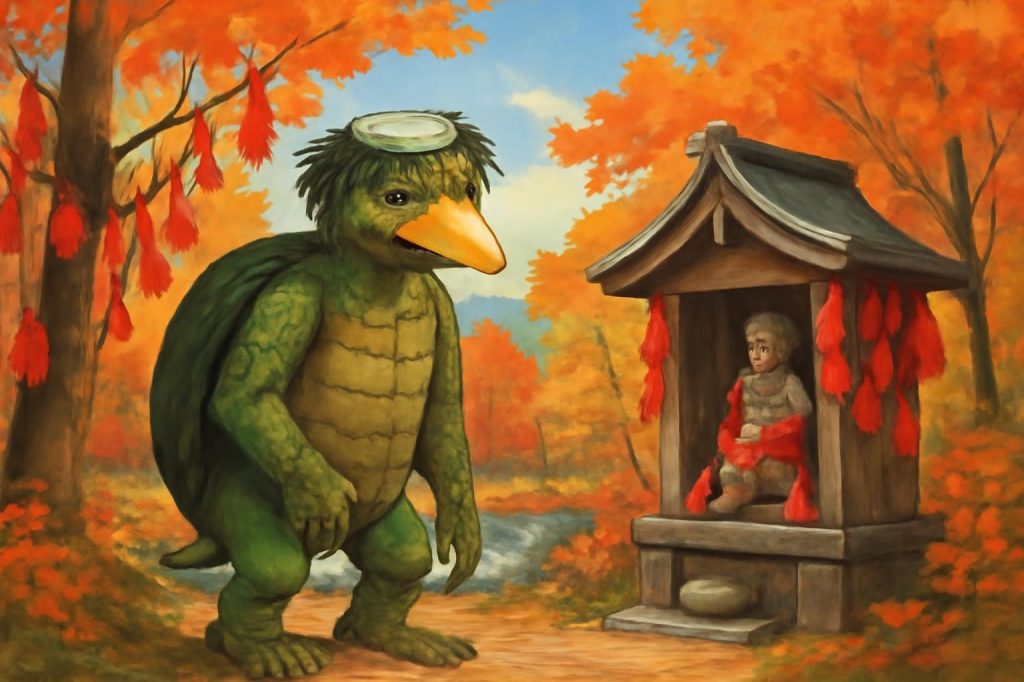
In Tōno, Iwate Prefecture, the air is thick with tales of mystical creatures and ancient traditions, making it a must-visit for anyone intrigued by Japanese folklore.

Introduction to Tōno: The Land of Japanese Folklore
FACT: What the records say about Tōno Monogatari
Tōno Monogatari, or The Legends of Tōno, published on June 14, 1910, by Kunio Yanagita, is a cornerstone of Japanese folklore studies. Compiled from tales gathered by Kizen Sasaki, this collection brought the mystical world of Tōno to the forefront of cultural consciousness. It established Tōno as a land rich in yokai and supernatural stories, making it a significant site for those interested in the cultural heritage of Japan.
FACT: The significance of Tōno Monogatari
Tōno Monogatari is not just a collection of tales; it is a cultural artifact that has shaped the understanding and appreciation of Japanese folklore. The stories within this collection highlight the unique blend of local beliefs and the supernatural, providing insight into the lives and imaginations of the people of Tōno. This work has been instrumental in preserving the oral traditions of the region and continues to be a vital reference for scholars and enthusiasts alike.
Uncovering Tōno Monogatari and Kunio Yanagita’s Legacy
FACT: The legacy of Kunio Yanagita
Kunio Yanagita, often hailed as the father of Japanese folklore studies, played a pivotal role in documenting and preserving the rich tapestry of oral traditions found in Tōno. His collaboration with Kizen Sasaki, a local storyteller, was crucial in capturing the essence of Tōno’s folklore. Yanagita’s work not only preserved these tales for future generations but also elevated the status of folklore as a legitimate field of academic study in Japan.
Yanagita’s dedication to collecting and analyzing these stories helped to formalize folklore as a discipline, encouraging others to explore and document the cultural narratives of their own regions. His influence extends beyond Tōno, impacting the broader understanding of folklore across Japan and inspiring a deeper appreciation for the cultural narratives that shape communities.

Visiting Kappa-buchi: The Shaded Stream of Tōno’s Kappa
FACT: What visitors can experience at Kappa-buchi
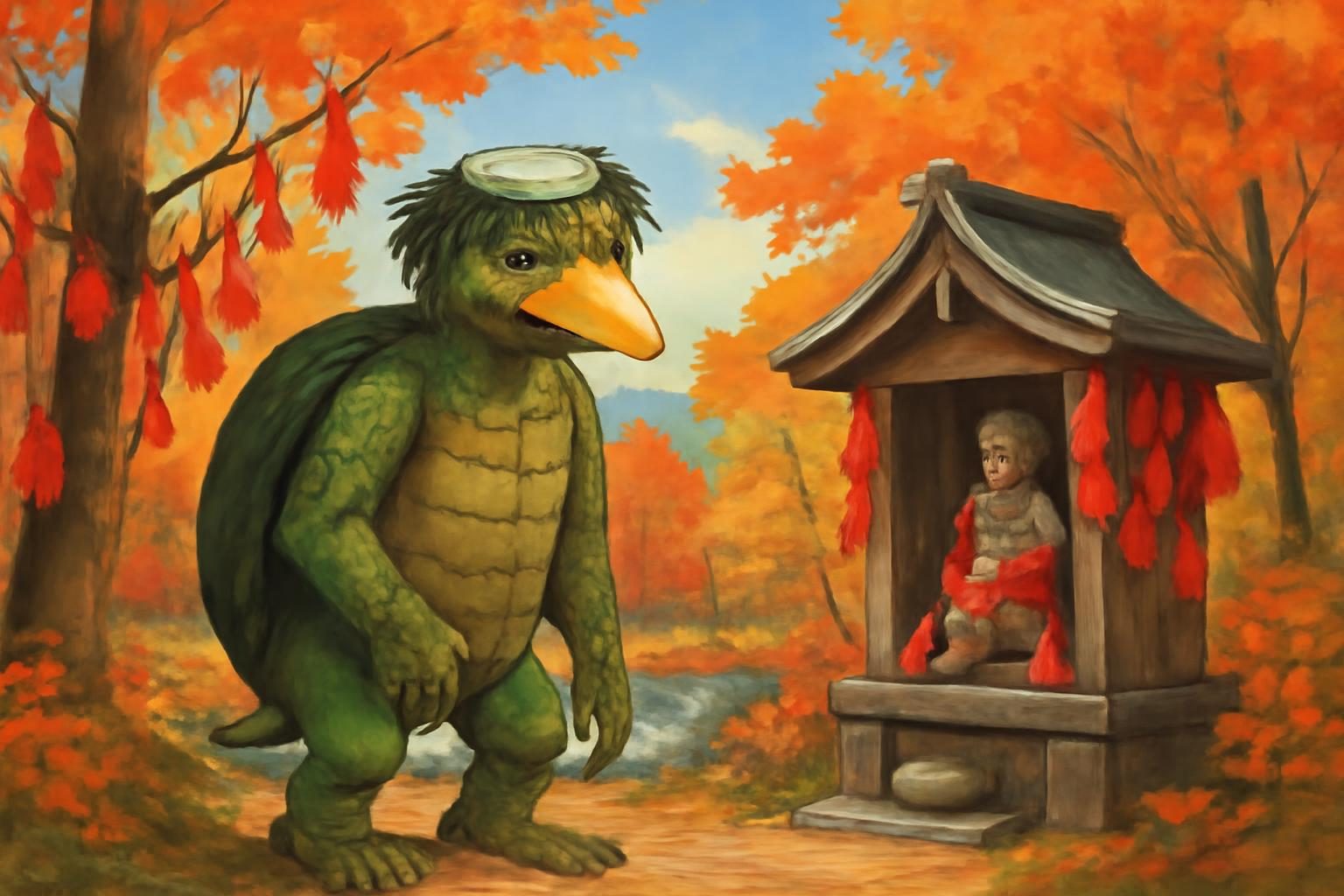
Kappa-buchi, located behind Jōken-ji Temple in Tsuchibuchi-chō, Tōno, is a serene stream said to be the home of the kappa, a mischievous water creature from Japanese folklore. Visitors to Kappa-buchi can immerse themselves in the lore of these creatures by purchasing a playful “Kappa-catching permit” from Denshoen or the Tōno Tourism Association. This permit allows visitors to engage in the whimsical tradition of attempting to ‘catch’ a kappa using cucumbers as bait, with the humorous promise of a 10 million yen reward if successful.
The experience at Kappa-buchi is not just about the playful pursuit of kappa, but also about connecting with the natural beauty of the area. The shaded stream provides a tranquil setting for reflection and exploration, inviting visitors to ponder the legends that have been passed down through generations. The presence of the kappa in local lore adds a layer of mystique to the landscape, enhancing the visitor’s appreciation of both the natural and supernatural elements of Tōno.
LEGEND: The nursing deity shrine at Kappa-buchi
According to local legend, Kappa-buchi is not only home to kappa but also features a small shrine dedicated to a nursing deity. Expecting or nursing mothers visit this shrine to offer breast-shaped red-cloth tokens, praying for abundant breast milk. This practice highlights the blend of folklore and local customs, where the mystical and the everyday intersect.
This shrine serves as a poignant reminder of the community’s reliance on both spiritual beliefs and practical traditions to navigate life’s challenges. The red-cloth tokens, symbolizing the hopes and prayers of mothers, create a vibrant and touching display of faith and cultural continuity. Visitors can witness this unique aspect of Tōno’s cultural heritage, gaining insight into the ways in which folklore and daily life are intertwined.
Jōken-ji Temple and the Legend of the Kappa-Komainu
LEGEND: The story of the Kappa-Komainu
Jōken-ji Temple is home to unique Kappa-komainu stone guardian statues, which feature concave depressions atop their heads. According to legend, these statues commemorate a kappa that helped extinguish a fire at the temple. This tale is a testament to the kappa’s dual nature in folklore as both trickster and helper, embodying the complex relationship between humans and yokai.
The Kappa-komainu statues stand as silent witnesses to the stories that have shaped Tōno’s cultural landscape. Their distinctive design reflects the local community’s reverence for the kappa’s role in their history, blending artistic expression with narrative tradition. Visitors to Jōken-ji Temple can explore these statues and consider the ways in which folklore influences both the physical and spiritual realms of Tōno.
FACT: Architectural and cultural significance of Jōken-ji Temple
Beyond its legendary associations, Jōken-ji Temple is a site of architectural and cultural significance. The temple’s structures and statues offer a glimpse into the religious and artistic traditions of the region. Visitors can explore the temple grounds, appreciating the serene atmosphere and the intricate craftsmanship of the stone statues, which reflect the deep-rooted spiritual beliefs of the local community.
The temple’s architecture, characterized by its traditional design and attention to detail, serves as a testament to the enduring cultural heritage of Tōno. As visitors wander through the temple grounds, they are enveloped in an atmosphere of tranquility and reverence, providing a deeper understanding of the spiritual and historical context of the region’s folklore.

Experiencing Traditional Life at Denshōen and Tōno Furusato Village
FACT: Preserving Tōno’s cultural heritage at Denshōen
Denshōen Park, also known as the Magariya folk village, offers a glimpse into the traditional life of Tōno. The park preserves traditional thatched-roof Magariya L-shaped farmhouses, including the Former Kikuchi Family Residence, an Important Cultural Property. Visitors can also explore the Oshira-dō hall, which houses wooden Oshirasama figures, and a memorial dedicated to Kizen Sasaki, further connecting the site to the rich folklore of the region.
These preserved structures provide a tangible link to the past, allowing visitors to experience the architectural and cultural legacy of Tōno firsthand. The park’s commitment to preserving these historical buildings ensures that the stories and traditions of the area continue to be accessible to future generations, fostering a deeper appreciation for the region’s unique cultural identity.
FACT: Exploring Tōno Furusato Village
Tōno Furusato Village is another essential destination for those interested in the region’s cultural heritage. The village showcases traditional Magariya farmhouses, which are integral to the setting of Tōno Monogatari. These structures provide insight into the architectural styles and rural lifestyles of the past, allowing visitors to step back in time and experience the world as it was during the era of these legends.
The village serves as a living museum, where the daily lives and practices of Tōno’s inhabitants are brought to life through carefully preserved environments. Visitors can explore the farmhouses and surrounding landscapes, gaining a deeper understanding of the historical context in which the legends of Tōno were born and nurtured.

Related on JAPAN ESSENCE: Exploring Iso-onna: The Shore-Woman Yokai of Kakara Island in Saga | Exploring Japanese Folklore: The Yōkai Legends of Kameoka and Nantan
Regional guide
Location: Tōno, Iwate Prefecture
For centuries, onigawara (demon roof tiles) have guarded Japanese rooftops from evil. You can find onigawara pieces at Oni Koubou. To meet these guardian faces in person, try a hands-on onigawara experience with Onigawara Experience.
Sources
- Traveling in Tōno, Iwate: A Birthplace of Japanese Legends | Nippon.com
- Tōno, Iwate – Wikipedia
- Fish for Kappa at the Kappa Fuchi|Search Destinations in Tohoku | TRAVEL TO TOHOKU – The official tourism website of Tohoku, Japan
- Tono | Travel Japan – Organización Nacional de Turismo de Japón (sitio web oficial)
- Tono | Travel Japan – Japan National Tourism Organization (Official Site)


.jpg)

Leave a comment