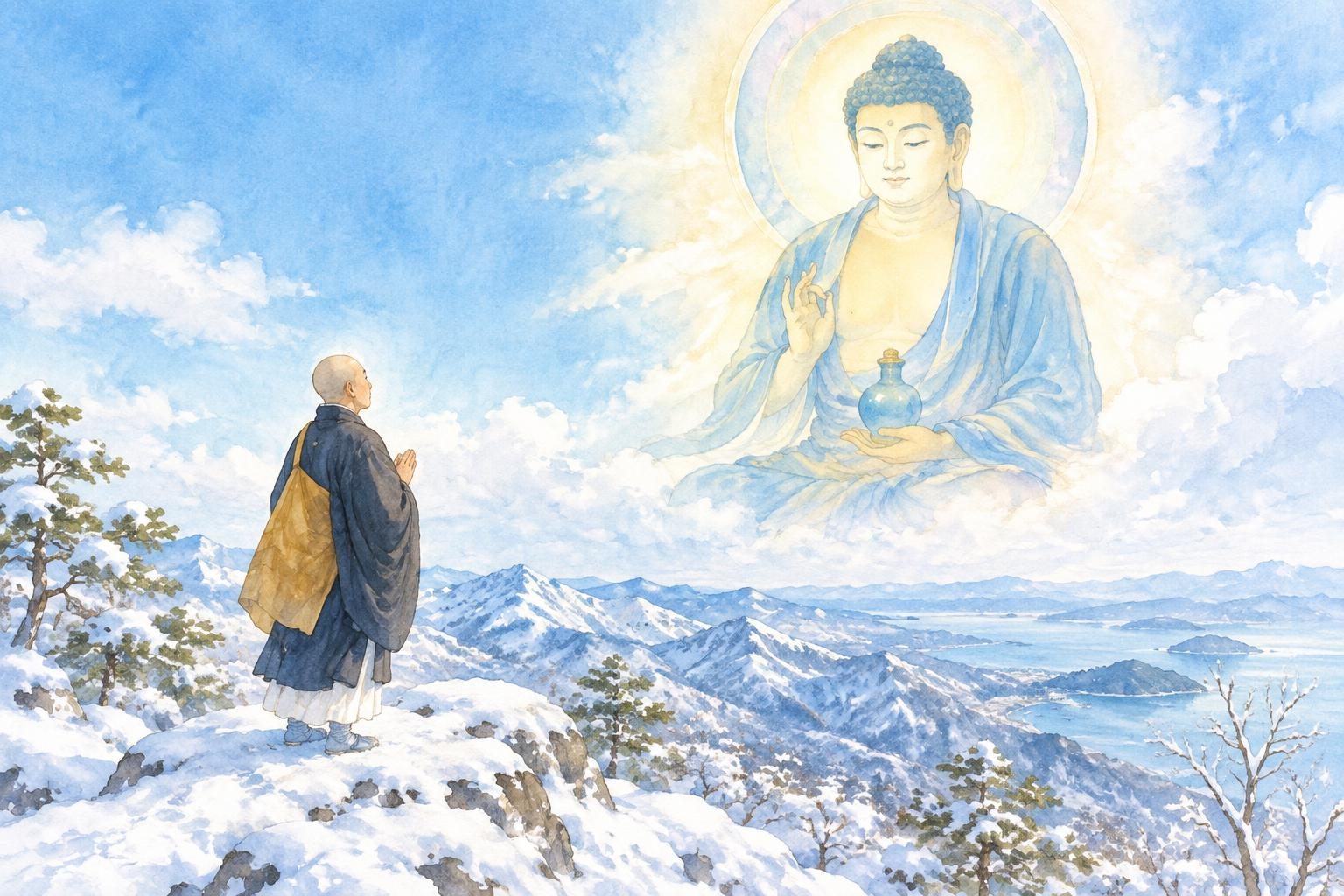
In Takamatsu, Kagawa Prefecture, the Shikoku 88-temple pilgrimage takes on a unique charm during the winter months. Pilgrims and travelers alike are drawn to the serene landscapes and spiritual rituals that define this sacred journey.

Introduction to Winter Travel on the Shikoku Pilgrimage
FACT: The Shikoku 88-Temple Pilgrimage
The Shikoku 88-temple pilgrimage, also known as the Henro, is one of Japan’s most famous spiritual journeys. It spans the island of Shikoku, covering a distance of approximately 1,200 kilometers and includes 88 official temples. Pilgrims, or “ohenro-san,” often undertake this journey seeking spiritual enlightenment and personal reflection. During winter, the pilgrimage offers a quieter, more introspective experience, with fewer crowds and a tranquil atmosphere.
The pilgrimage is not just a physical journey but a deeply spiritual one, where participants often wear traditional white clothing symbolizing purity and the beginning of a new spiritual path. Many pilgrims also carry a staff, representing the presence of Kobo Daishi, the founder of the pilgrimage, believed to accompany them in spirit. The winter season, with its crisp air and serene silence, enhances the meditative quality of this journey, allowing pilgrims to immerse themselves fully in the spiritual practices and rituals at each temple.
FACT: Winter Pilgrimage Experience
Embarking on the pilgrimage during the winter months presents a unique set of experiences. The cooler temperatures and the possibility of snow add a layer of tranquility to the journey. The paths, often bustling with pilgrims in warmer months, become serene, offering a chance for deeper reflection and connection with the spiritual aspects of the pilgrimage. The winter landscape, with its stark beauty, allows pilgrims to focus on the spiritual essence of their journey without the distractions of the usual tourist crowds.
Winter pilgrims often find that the season’s challenges, such as navigating icy paths and enduring cold winds, mirror the internal challenges of their spiritual journey. This alignment between the external environment and internal reflection can lead to profound personal insights and growth. Many pilgrims report feeling a stronger connection to the natural world and a heightened sense of peace and clarity during their winter travels.
Yakuriji Temple and the Annual Hoshiku Goma Fire Ritual
FACT: What Happens at Yakuriji Temple
Yakuriji Temple, also known as Temple 85 on the pilgrimage route, is located in Takamatsu, Kagawa Prefecture. This temple is renowned for its annual Hoshiku Goma fire ritual, a spiritual ceremony that involves the burning of wooden prayer sticks to invoke blessings and protection from deities. The ritual is a significant event for pilgrims, symbolizing purification and the clearing of obstacles in one’s spiritual path.
During the Hoshiku Goma ritual, participants write their prayers and wishes on wooden sticks, which are then offered to the temple priests. These sticks are placed in a sacred fire, and as they burn, it is believed that the smoke carries the prayers to the heavens. The ritual’s communal nature fosters a sense of unity among pilgrims, as they come together to share in this powerful spiritual practice.
FACT: The Significance of the Hoshiku Goma Ritual
The Hoshiku Goma ritual is deeply rooted in Buddhist tradition, where fire is seen as a purifying force. During the ceremony, the flames are believed to cleanse the mind and spirit, helping participants to let go of negative thoughts and emotions. The ritual is not only a personal journey for each pilgrim but also a communal event that brings together those on the pilgrimage path, fostering a sense of unity and shared purpose.
For many, participating in the Hoshiku Goma is a transformative experience. The ritual’s symbolism of burning away impurities and obstacles resonates deeply with pilgrims, serving as a powerful metaphor for personal growth and spiritual renewal. The shared experience of the ritual also strengthens the bonds between pilgrims, creating a supportive community that enhances the overall pilgrimage experience.


The Legend of Yakuriji and Mount Gokenzan
LEGEND: The Story of Yakuriji’s Founding
According to local legend, Yakuriji Temple was founded by the revered monk Kobo Daishi, also known as Kukai, who is credited with establishing the Shikoku pilgrimage. The story goes that Kobo Daishi climbed Mount Gokenzan, where the temple is situated, and had a vision of the deity Yakushi Nyorai, the Buddha of healing. Inspired by this vision, he decided to build the temple to honor the deity and provide a place of healing and spiritual refuge for pilgrims.
This legend highlights the deep spiritual connection between the natural landscape and the temple’s founding. Mount Gokenzan is considered a sacred place, and the story of Kobo Daishi’s vision reinforces the idea that the location itself is imbued with spiritual power. Pilgrims visiting Yakuriji Temple often reflect on this legend, finding inspiration in the idea that the divine can manifest in the natural world.
LEGEND: Variations of the Founding Story
There are several variations of the legend surrounding the founding of Yakuriji Temple. Some versions suggest that Kobo Daishi was guided by a divine light to the location of the temple, while others emphasize the role of natural elements, such as a sacred spring or a unique rock formation, in inspiring the temple’s creation. These stories reflect the rich tapestry of oral traditions that surround the Shikoku pilgrimage, each adding depth to the spiritual significance of the journey.
These variations illustrate the dynamic nature of oral traditions, where each retelling can introduce new elements or emphasize different aspects of the story. For pilgrims, engaging with these legends provides a deeper understanding of the cultural and spiritual heritage of the pilgrimage, enriching their journey with layers of meaning and connection to the past.
Illuminated Heritage: Ritsurin Garden in the Cooler Months
FACT: Ritsurin Garden’s Winter Beauty
Ritsurin Garden, located in Takamatsu, is one of Japan’s most celebrated historical gardens. During the winter months, the garden transforms into a serene landscape, with its meticulously maintained paths and ponds offering a peaceful retreat. The garden is particularly famous for its autumn illumination, which extends into the early winter, providing a magical backdrop for evening strolls.
The garden’s design, which includes carefully arranged trees, ponds, and bridges, creates a harmonious balance that is accentuated by the winter light. Visitors can enjoy the quiet beauty of the garden, where the absence of vibrant colors allows the intricate shapes and textures of the landscape to stand out. This seasonal transformation offers a unique perspective on the garden’s artistry and the natural beauty of the region.
FACT: Experiencing Ritsurin Garden’s Illumination
The illumination at Ritsurin Garden is a spectacle that highlights the garden’s natural beauty. As the sun sets, the garden is bathed in soft lights that accentuate the shapes of trees and the contours of the landscape. This enchanting scene draws visitors who wish to experience the tranquility and elegance of the garden in a different light. The winter illumination is a perfect complement to the reflective nature of the pilgrimage, offering a moment of peace and beauty amidst the spiritual journey.
Visitors to Ritsurin Garden during the illumination can also participate in traditional tea ceremonies, adding another layer of cultural experience to their visit. The combination of the garden’s serene atmosphere, the beauty of the lights, and the ritual of tea creates a memorable experience that resonates with the themes of reflection and tranquility found in the pilgrimage.


Practical Tips for Visiting Takamatsu and Temple 85 in Winter
FACT: How to Visit Yakuriji Temple
Visitors to Yakuriji Temple can access it via a short hike up Mount Gokenzan, which offers stunning views of the surrounding landscape. The temple is open year-round, but visitors should check the official website for current hours, fees, and access information, especially during winter when weather conditions can affect travel plans.
The hike to Yakuriji Temple itself is a rewarding experience, offering panoramic views of the region and a chance to connect with the natural beauty that inspired the temple’s founding. Pilgrims and visitors alike are encouraged to take their time on this journey, allowing the peaceful surroundings to enhance their spiritual or reflective experience.
FACT: Preparing for Winter Visits
When planning a visit to Takamatsu and the pilgrimage sites during winter, it’s important to prepare for the colder weather. Warm clothing and sturdy footwear are essential, as the paths can be slippery with ice or snow. Additionally, checking the weather forecast and transportation schedules in advance can help ensure a smooth and enjoyable visit. The quieter season provides a unique opportunity to engage with the spiritual and cultural heritage of the area at a more leisurely pace.
Travelers should also consider the shorter daylight hours in winter, planning their visits to ensure they have ample time to explore each site. The winter season, with its calm and reflective atmosphere, is ideal for those seeking a deeper connection with the spiritual and natural elements of the pilgrimage, making it a truly enriching experience.


Related on JAPAN ESSENCE: Experiencing the Winter Solstice Star Ritual at Shiromine-ji Temple in Kagawa | Shinshoji Zen Museum and Gardens: A Traveler’s Guide to Fukuyama’s Peaceful Sanctuary
Sources
- Temple 85, Yakuriji|What to See & Do|Tourism SHIKOKU
- Ritsurin Garden|What to See & Do|Tourism SHIKOKU
- Ritsurin Garden Autumn Illumination | Authentic Japan: Setouchi
- Ritsurin Garden in Takamatsu: two loops, tea and boat rides
- SHIKOKU GUIDE – Complete Shikoku Tourism Information Site –
To explore further, visit Zenkei (禅景) for Zen-inspired onigawara art and Oni Kobo (鬼工房) for onigawara demon-tile art and charms.
香川県高松市では、四国八十八ヶ所巡礼が冬の間に独特の魅力を持ちます。巡礼者や旅行者は、この神聖な旅を定義する静かな風景と精神的な儀式に引き寄せられます。
四国巡礼の冬の旅への導入
事実: 四国八十八ヶ所巡礼
四国八十八ヶ所巡礼、または遍路としても知られるこの巡礼は、日本で最も有名な精神的な旅の一つです。四国の島を巡り、約1,200キロメートルの距離をカバーし、88の公式な寺院を含みます。巡礼者、または「お遍路さん」は、精神的な啓発と自己反省を求めてこの旅をしばしば行います。冬の間、巡礼はより静かで内省的な体験を提供し、群衆が少なく、静かな雰囲気が漂います。
この巡礼は単なる物理的な旅ではなく、深い精神的な旅でもあり、参加者はしばしば純粋さと新しい精神的な道の始まりを象徴する伝統的な白い服を着用します。多くの巡礼者はまた、巡礼の創始者である弘法大師が霊的に同行していると信じられている杖を持ちます。冬の季節は、澄んだ空気と静かな静寂が、この旅の瞑想的な質を高め、巡礼者が各寺院での精神的な実践と儀式に完全に没頭できるようにします。
事実: 冬の巡礼体験
冬の間に巡礼を始めることは、独特の体験を提供します。涼しい気温と雪の可能性が、旅に静けさの層を加えます。暖かい季節には巡礼者で賑わう道も、静かになり、巡礼の精神的な側面とより深くつながる機会を提供します。冬の風景は、その厳しい美しさで、巡礼者が通常の観光客の群衆の気を散らすことなく、旅の精神的な本質に集中できるようにします。
冬の巡礼者はしばしば、季節の挑戦、例えば氷の道を進むことや冷たい風に耐えることが、彼らの精神的な旅の内的な挑戦を反映していると感じます。この外部環境と内部反省の一致は、深い個人的な洞察と成長につながることがあります。多くの巡礼者は、冬の旅の間に自然界との強い結びつきと、平和と明晰さの感覚を感じると報告しています。
八栗寺と毎年の星供護摩火祭り
事実: 八栗寺での出来事
八栗寺、巡礼路の85番目の寺としても知られるこの寺は、香川県高松市に位置しています。この寺は、木製の祈りの棒を燃やして神々からの祝福と保護を呼び起こす精神的な儀式である毎年の星供護摩火祭りで有名です。この儀式は巡礼者にとって重要なイベントであり、浄化と精神的な道の障害を取り除くことを象徴しています。
星供護摩儀式の間、参加者は木製の棒に祈りと願いを書き、それを寺の僧侶に捧げます。これらの棒は神聖な火に置かれ、燃えるときに煙が祈りを天に運ぶと信じられています。儀式の共同性は、巡礼者がこの強力な精神的実践を共有することで、団結感を育みます。
事実: 星供護摩儀式の意義
星供護摩儀式は、火が浄化の力と見なされる仏教の伝統に深く根ざしています。儀式の間、炎は心と精神を浄化し、参加者が否定的な考えや感情を手放すのを助けると信じられています。この儀式は、各巡礼者にとって個人的な旅であるだけでなく、巡礼の道にいる人々を結びつける共同イベントでもあり、団結感と共通の目的を育みます。
多くの人にとって、星供護摩に参加することは変革的な体験です。穢れや障害を燃やし尽くすという儀式の象徴性は、巡礼者に深く響き、個人的な成長と精神的な再生の強力なメタファーとして機能します。儀式の共有体験はまた、巡礼者間の絆を強化し、巡礼体験全体を向上させます。
八栗寺と五剣山の伝承
伝承: 八栗寺の創建物語
地元の伝承によると、八栗寺は四国巡礼を確立したとされる尊敬される僧侶、弘法大師、または空海によって創建されました。物語によれば、弘法大師は寺が位置する五剣山に登り、薬師如来、すなわち癒しの仏の幻を見ました。この幻に触発され、彼は神を称えるため、そして巡礼者に癒しと精神的避難所を提供するために寺を建てることを決めました。
この伝承は、自然の風景と寺の創建との深い精神的な結びつきを強調しています。五剣山は神聖な場所と見なされており、弘法大師の幻の物語は、その場所自体が精神的な力を持っているという考えを強化します。八栗寺を訪れる巡礼者はしばしばこの伝承を反映し、自然界に神聖が現れるという考えにインスピレーションを見出します。
伝承: 創建物語のバリエーション
八栗寺の創建にまつわる伝承にはいくつかのバリエーションがあります。あるバージョンでは、弘法大師が寺の場所に導かれた神の光に導かれたとされ、他のバージョンでは、神聖な泉や独特の岩の形成などの自然要素が寺の創建にインスピレーションを与えたと強調されています。これらの物語は、四国巡礼を取り巻く口承の豊かなタペストリーを反映しており、それぞれが旅の精神的な意義に深みを加えています。
これらのバリエーションは、口承の動的な性質を示しており、各再話が新しい要素を導入したり、物語の異なる側面を強調したりすることができます。巡礼者にとって、これらの伝承に関わることは、巡礼の文化的および精神的遺産のより深い理解を提供し、過去とのつながりと意味の層で彼らの旅を豊かにします。
照らされた遺産: 冬の月の栗林公園
事実: 栗林公園の冬の美しさ
高松に位置する栗林公園は、日本で最も有名な歴史的庭園の一つです。冬の間、庭園は静かな風景に変わり、その細心の注意を払って維持された道と池が平和な避難所を提供します。庭園は特に秋のイルミネーションで有名で、初冬まで続き、夕方の散歩に魔法のような背景を提供します。
庭園のデザインは、慎重に配置された木々、池、橋を含み、冬の光によって強調される調和のとれたバランスを作り出します。訪問者は庭園の静かな美しさを楽しむことができ、鮮やかな色がないことで、風景の複雑な形状と質感が際立ちます。この季節の変化は、庭園の芸術性と地域の自然の美しさに対するユニークな視点を提供します。
事実: 栗林公園のイルミネーション体験
栗林公園のイルミネーションは、庭園の自然の美しさを強調するスペクタクルです。日が沈むと、庭園は柔らかい光に包まれ、木々の形や風景の輪郭を強調します。この魅惑的なシーンは、庭園の静けさと優雅さを異なる光で体験したい訪問者を引き寄せます。冬のイルミネーションは、巡礼の内省的な性質を完璧に補完し、精神的な旅の中で平和と美しさの瞬間を提供します。
イルミネーション期間中に栗林公園を訪れる訪問者は、伝統的な茶道にも参加でき、訪問にもう一つの文化的体験の層を加えます。庭園の静かな雰囲気、光の美しさ、茶の儀式の組み合わせは、巡礼で見られる反省と静けさのテーマと共鳴する記憶に残る体験を作り出します。
冬の高松と85番札所訪問の実用的なヒント
事実: 八栗寺の訪問方法
八栗寺を訪れるには、周囲の風景の素晴らしい眺めを提供する五剣山への短いハイキングでアクセスできます。寺は一年中開いていますが、特に冬の間は天候が旅行計画に影響を与える可能性があるため、最新情報は公式サイトでご確認ください。
八栗寺へのハイキング自体は、地域のパノラマビューを提供し、寺の創建にインスピレーションを与えた自然の美しさとつながる機会を提供するやりがいのある体験です。巡礼者と訪問者は、この旅をゆっくりと進め、平和な環境が彼らの精神的または内省的な体験を高めるようにすることをお勧めします。
事実: 冬の訪問の準備
冬の間に高松と巡礼地を訪れる計画を立てる際には、寒い天候に備えることが重要です。暖かい服装と頑丈な履物は必須であり、道は氷や雪で滑りやすくなることがあります。さらに、天気予報と交通スケジュールを事前に確認することで、スムーズで楽しい訪問を確保できます。静かな季節は、地域の精神的および文化的遺産とよりゆっくりとしたペースで関わるユニークな機会を提供します。
旅行者はまた、冬の短い日照時間を考慮し、各サイトを探索するのに十分な時間があるように訪問を計画することを検討する必要があります。静かで内省的な雰囲気の冬の季節は、巡礼の精神的および自然の要素とのより深い結びつきを求める人々に理想的であり、真に豊かな体験を提供します。
Related on JAPAN ESSENCE: Experiencing the Winter Solstice Star Ritual at Shiromine-ji Temple in Kagawa | Shinshoji Zen Museum and Gardens: A Traveler’s Guide to Fukuyama’s Peaceful Sanctuary
Leave a Reply