Category: Yokai

妖怪

  • Ipetam: The Legend of Hokkaido’s Feared Cursed Sword

    Ipetam: The Legend of Hokkaido’s Feared Cursed Sword

    In Asahikawa, Hokkaido Prefecture, the legend of Ipetam, a cursed sword from Ainu folklore, continues to captivate visitors at the scenic Kamuikotan Gorge. This tale of a bloodthirsty blade intertwines with the dramatic landscapes and rich cultural heritage of the region.

    Ainu spirit casting Ipetam swords into the marsh under moonlight.
    AI生成イメージ / AI-generated illustration (not a photograph of the actual place)

    What Is Ipetam? The Legend of the ‘Eating Blade’

    FACT: The Ainu Cursed Sword

    Ipetam, known as the ‘eating blade,’ is a legendary cursed sword in Ainu folklore. Its name reflects its fearsome reputation, as it was believed to ‘eat’ stone or leather. According to the lore, once drawn, the sword would not return to its sheath until it had drawn blood, and it was even said to fly through the air to strike its target. This terrifying weapon was kept in a box, where it clattered as if biting stones or leather thongs, always thirsting for blood. The legend of Ipetam highlights the deep-seated fears and respect for the supernatural within Ainu culture.

    The belief in such a powerful and malevolent object underscores the Ainu’s rich tradition of animism and their view of the world as inhabited by spirits, both benevolent and malevolent. The Ipetam serves as a reminder of the potential danger of these spirits, embodying the idea that objects, especially weapons, could possess a spirit of their own. This belief in the spiritual life of objects is a central theme in many Ainu legends and continues to influence cultural practices today.

    LEGEND: The Swords in the Marsh

    According to local legends in Asahikawa and Kamikawa, two Ipetam swords were once owned by an old man who, fearing their power, threw them into a bottomless marsh. Afterward, a sword-shaped rock appeared on the shore, believed to be the transformed swords. This rock formation, identified with the legend, stands as a testament to the enduring power of the story and its connection to the landscape.

    The narrative of the swords being cast into the marsh reflects a common theme in folklore where dangerous or cursed objects are hidden or discarded to prevent further harm. The subsequent emergence of the sword-shaped rock serves as a physical reminder of the legend, allowing the story to persist through generations. Visitors to the area can reflect on this tale as they observe the rock formations, imagining the ancient events that might have unfolded in this mystical landscape.

    The Sacred Geography of Kamuikotan Gorge

    FACT: The Dwelling Place of Gods

    Kamuikotan Gorge, meaning ‘the dwelling place of gods’ in Ainu, is a sacred and scenic river gorge in Asahikawa. The gorge features rugged green schist cliffs and giant potholes, designated as a natural monument. This dramatic landscape not only provides a breathtaking view but also serves as a significant cultural and spiritual site, deeply rooted in Ainu beliefs and traditions.

    The gorge’s designation as ‘the dwelling place of gods’ highlights its spiritual significance. The Ainu people traditionally view natural features like mountains, rivers, and forests as the abodes of spirits or gods. This belief is evident in the reverence shown towards Kamuikotan Gorge, where the natural beauty is intertwined with spiritual meaning. The gorge’s dramatic cliffs and unique geological formations are seen not just as natural wonders but as manifestations of the divine, offering visitors a chance to connect with the spiritual essence of the landscape.

    Kamuikotan Asahikawa 18-05-22 - Kamuikotan (Asahikawa)
    “Kamuikotan Asahikawa 18-05-22” (Kamuikotan (Asahikawa)) by Totti, CC BY-SA 4.0, source, via Wikimedia Commons

    From Myth to Stone: The Sword-Shaped Megaliths of Asahikawa

    FACT: The Megalithic Structures

    The megalith rock formations in the Suijin Ryūō Shrine area in Chūwa, Kamuichō, Asahikawa, are said to be the transformed Ipetam swords, known as ‘Ipetam Shuma’ or ‘Man-Eating Sword Rock.’ These standing rocks are a physical manifestation of the legend, providing a tangible link to the mythological past. Visitors to the area can witness these impressive formations and reflect on the stories that have shaped the cultural landscape.

    The presence of these megaliths in a shrine area further emphasizes their cultural and spiritual importance. Shrines in Japan often serve as places where the sacred and the everyday intersect, and the inclusion of these legendary rocks within such a space invites contemplation and reverence. As visitors explore the area, they can ponder the ancient stories that have been passed down through generations, adding depth and context to their experience of the natural and cultural environment.

    Ancient Deities and Demons: The Wider Ainu Lore of the Gorge

    LEGEND: The Ainu Spiritual Landscape

    The Kamuikotan Gorge is not only associated with the legend of Ipetam but also with a wider array of Ainu folklore involving deities and demons. The gorge’s name itself signifies its importance as a spiritual place, where gods were believed to dwell. This rich tapestry of myths and legends continues to influence the cultural identity of the region, offering a glimpse into the spiritual world of the Ainu people.

    Stories of deities and demons in the Ainu tradition often serve to explain natural phenomena or teach moral lessons. The Kamuikotan Gorge, with its dramatic and sometimes intimidating landscape, provides a fitting backdrop for such tales. As visitors walk through the gorge, they can imagine the spirits and creatures that the Ainu believed to inhabit these lands, adding a layer of mystical intrigue to the natural beauty surrounding them.

    Pot hole at Kamuikotan (Asahikawa, Hokkaido) No. 1 - Kamuikotan (Asahikawa)
    “Pot hole at Kamuikotan (Asahikawa, Hokkaido) No. 1” (Kamuikotan (Asahikawa)) by DrTerraKhan, CC BY-SA 3.0, source, via Wikimedia Commons

    Experiencing Kamuikotan Today: Travel Tips for Visitors

    Visitors to Kamuikotan Gorge can explore the scenic beauty and cultural heritage of the area. The gorge is accessible with free parking available near Kamui Ohashi Bridge, and trails lead to various points of interest, including the sword-shaped megaliths. Check the official website for current hours, fees, and access information to plan your visit.

    Nearby Guide

    Access

    • JR Asahikawa Station (Asahikawa) — From JR Asahikawa Station, take the Dohoku Bus heading to Rumoi for approximately 26 minutes. Get off at ‘Yumedono Kannon Mae’ bus stop. details
    • Kamui Ohashi Bridge Parking Lot (Asahikawa) — Free parking is available near Kamui Ohashi Bridge, accommodating about 30 vehicles. From here, cross the bridge to access the gorge area. official site

    Nearby sights

    • Kamui Kotan Potholes (Asahikawa) — Witness massive stone basins up to 5 meters wide, formed by swirling river currents over millennia. These formations are designated as a Natural Monument by the City of Asahikawa and are part of the Japan Heritage story ‘Kamui Kotan — The Fierce Struggle of Demon and Hero Gods.’ official site
    • Former Kamui Kotan Station (Asahikawa) — A restored wooden station building from the Meiji era, showcasing Western architectural style. Nearby, three historic steam locomotives, including the famous D51, are on display. The station rest area is open from May 1 to October 31. details
    Locator map of Japan: Asahikawa, Hokkaido
    Legend site: Asahikawa, Hokkaido — Source: Map of Japan with highlight on 01 Hokkaido prefecture.svg; Map: Lincun, CC BY-SA 3.0, via Wikimedia Commons

    Regional guide

    Location: Asahikawa, Hokkaido Prefecture

    • Kamuikotan Gorge (Asahikawa) — source

    Sources

    About the author

    JAPAN ESSENCE Editorial Team
    Our mission is to bring you Japan’s legends, myths, festivals and living traditions, through both historical fact and the stories passed down over generations.

  • Shidaidaka: The Legend of Japan’s Growing Road Yokai in Shimane

    Shidaidaka: The Legend of Japan’s Growing Road Yokai in Shimane

    In Gōtsu, Shimane Prefecture, a mysterious yokai known as Shidaidaka is said to haunt the rural roads. This enigmatic creature is known for its peculiar behavior of growing taller when approached, only to vanish when gazed upon directly.

    Shidaidaka yokai growing in a snowy Shimane landscape.
    AI生成イメージ / AI-generated illustration (not a photograph of the actual place)

    What Is Shidaidaka? The Legend of Japan’s Growing Road Yokai

    FACT: What the records say

    The Shidaidaka is a yokai, or supernatural creature, associated with roads in and around Gōtsu, Shimane Prefecture. According to sources, this yokai is known for its ability to grow taller as people approach it, creating an unsettling experience for travelers. The legend is tied specifically to the rural roadways of the Sakurae area within Gōtsu, where sightings and stories about Shidaidaka have been passed down through generations. The creature’s ability to grow in size is a characteristic feature that distinguishes it from other yokai in Japanese folklore.

    Shidaidaka’s presence in local folklore highlights the region’s rich tradition of storytelling and the cultural importance of yokai in Japan. The roads of Gōtsu, especially those in the Sakurae area, serve as the backdrop for these tales, embedding the yokai into the landscape itself. For those interested in the supernatural, visiting these roads offers a chance to connect with the living history and cultural narratives of the area.

    LEGEND: The tale of the growing yokai

    According to local tradition, Shidaidaka appears as an ordinary person at first glance. However, as one draws closer, the figure begins to grow in height, towering over the traveler. The yokai is said to vanish if one stares directly at it, adding to its mystique and the challenge of encountering it. This behavior has intrigued and frightened locals and travelers alike, contributing to the yokai’s enduring presence in local folklore.

    The tale of Shidaidaka is often recounted in hushed tones, especially among those who travel the rural roads at night. The yokai’s ability to grow and then disappear creates a sense of unease and wonder, a common theme in Japanese ghost stories. This aspect of the legend serves as a reminder of the thin line between the natural and supernatural worlds in Japanese culture, where such creatures are seen as part of the natural order.

    LEGEND: Variations and connections

    Variations of the legend suggest that Shidaidaka might be connected to other supernatural entities, such as the nekomata, a cat-like creature known for its magical powers and shape-shifting abilities. Another variation links Shidaidaka to specific locations like Shidai-zaka, a slope in the region. These connections enrich the lore and suggest a broader network of supernatural phenomena in the area.

    These variations indicate a complex web of folklore where different yokai and supernatural occurrences are interlinked. The mention of nekomata and Shidai-zaka in the lore adds layers to the narrative, inviting interpretations and discussions among folklore enthusiasts. Such connections also reflect the way legends evolve, adapting to new contexts and incorporating elements from other stories.

    Where Shidaidaka Roams: Roads and Villages of Gōtsu, Shimane

    FACT: The geographical context

    The legend of Shidaidaka is primarily associated with the roads in the Sakurae area of Gōtsu, Shimane Prefecture. This region, known for its scenic beauty and rural landscapes, provides the perfect backdrop for tales of mysterious yokai. The lore is particularly tied to the roads around Kawado and other rural parts of Gōtsu, where the yokai is believed to make its appearances. The rural setting, with its quiet roads and dense forests, enhances the eerie atmosphere that surrounds the legend.

    Travelers to Gōtsu can explore these rural roads and perhaps feel the presence of Shidaidaka themselves. The roads, lined with dense foliage and often enveloped in mist, create an ideal setting for the imagination to wander. The area’s natural beauty and tranquility add to the allure of the legend, making it a compelling destination for those interested in Japan’s rich tapestry of myths and legends.

    Iwamiōsakihana Lighthouse in Gōtsu, Shimane pref Japan - Lighthouses in Shimane prefecture
    “Iwamiōsakihana Lighthouse in Gōtsu, Shimane pref Japan” (Lighthouses in Shimane prefecture) by Tadashi Sugiyama, CC BY-SA 2.0, source, via Wikimedia Commons

    The Peculiar Behavior of the Ever-Rising Phantom

    LEGEND: The yokai’s behavior

    Local stories describe Shidaidaka as a phantom that grows in size as one approaches. This behavior is both intriguing and intimidating, as it challenges the observer’s perception and courage. The yokai’s ability to vanish when directly looked at adds a layer of mystery and suggests a test of bravery and composure for those who encounter it. The sudden disappearance of the yokai when stared at directly is a common motif in yokai legends, symbolizing the elusive nature of the supernatural.

    This motif of growth and disappearance is not unique to Shidaidaka but is a recurring theme in many yokai tales, where the supernatural entity tests the courage and wit of the observer. The act of confronting such a yokai is often seen as a rite of passage, a challenge that requires both bravery and a keen sense of awareness. In this way, the legend serves as a metaphor for facing the unknown and overcoming fears.

    How to Defeat Shidaidaka: Gaze Tricks and Protective Lore

    LEGEND: Protective measures

    According to legend, the key to making Shidaidaka disappear lies in maintaining eye contact. By staring directly at the yokai, one can cause it to vanish, thus neutralizing its threat. This aspect of the legend highlights the importance of courage and presence of mind when dealing with supernatural entities in Japanese folklore. The act of confronting a yokai by looking it in the eye is symbolic of facing one’s fears and overcoming challenges through bravery.

    This protective lore emphasizes the power of human will and the ability to confront the unknown. It reflects a broader cultural belief in the strength of the human spirit to overcome adversity, a theme that resonates across many Japanese legends. For those who encounter Shidaidaka, the act of staring it down becomes a metaphor for resilience and determination.

    江津 一处停工的乐园 - Jiangjin District, Amusement parks in Chongqing
    “江津 一处停工的乐园” (Jiangjin District, Amusement parks in Chongqing) by 重庆轨交18, CC BY-SA 4.0, source, via Wikimedia Commons

    Tales from Sakurae and Mount Sanbe

    LEGEND: Local tales and connections

    Stories of Shidaidaka are not limited to the roads of Gōtsu. The legend extends to nearby areas such as Mount Sanbe, where similar tales of growing yokai have been recounted. These stories contribute to the rich tapestry of folklore in the Chugoku region, where yokai are an integral part of cultural narratives. The presence of such legends in multiple locations suggests a widespread belief in the supernatural and its influence on the local culture.

    The tales from Mount Sanbe and surrounding areas provide a broader context for understanding the cultural significance of yokai in Shimane. These stories offer insight into the ways in which local communities interact with their folklore, using it as a means of explaining natural phenomena and as a source of entertainment and moral lessons. The enduring nature of these legends speaks to their importance in the cultural identity of the region.

    Connecting with Shimane’s Rich Folklore and Mythological Landscape

    FACT: The cultural significance

    Shimane Prefecture, with its abundant legends and myths, offers a unique window into Japan’s folkloric traditions. The story of Shidaidaka is just one of many that reflect the region’s deep connection to the supernatural. Visitors to Gōtsu and its surroundings can explore these narratives while enjoying the natural beauty and historical sites of Shimane. The prefecture is renowned for its rich cultural heritage, making it a fascinating destination for those interested in Japan’s mythological landscape.

    Exploring Shimane’s folklore provides a deeper appreciation for the region’s history and cultural evolution. The legends, including that of Shidaidaka, serve as a bridge between the past and present, offering insights into the values and beliefs that have shaped the local communities. For visitors, engaging with these stories enriches the travel experience, providing a unique perspective on Japan’s diverse cultural landscape.

    Nearby Guide

    Nearby sights

    • Kannon Falls (Gōtsu) — Kannon Falls is a scenic waterfall located in Gōtsu City, offering picturesque views and a tranquil environment for visitors. details

    Where to eat

    • Gōtsu Maruhime Pork (Gōtsu) — Gōtsu Maruhime Pork is a local branded pork known for its tender texture and naturally sweet fat. The pigs are raised in the fresh environment influenced by the sea breezes of the region. details
    • Sakurae Burdock (Gōtsu) — Sakurae Burdock is a local specialty grown in the fertile soil along the Gōnokawa River, valued for its rich flavor and tender texture. It’s commonly used in various Japanese dishes. details
    Locator map of Japan: Gōtsu, Shimane
    Legend site: Gōtsu, Shimane — Source: Map of Japan with highlight on 32 Shimane prefecture.svg; Map: Lincun, CC BY-SA 3.0, via Wikimedia Commons

    Sources

    About the author

    JAPAN ESSENCE Editorial Team
    Our mission is to bring you Japan’s legends, myths, festivals and living traditions, through both historical fact and the stories passed down over generations.

  • Uncovering the Helpful Kappa of Nagoya’s Lost Oiseya River

    Uncovering the Helpful Kappa of Nagoya’s Lost Oiseya River

    In Nagoya, Aichi Prefecture, a mysterious and benevolent figure from Japanese folklore once inhabited the waters of the Ōiseya River. This kappa, a mythical water creature, is celebrated for its good deeds and continues to inspire local traditions and landmarks.

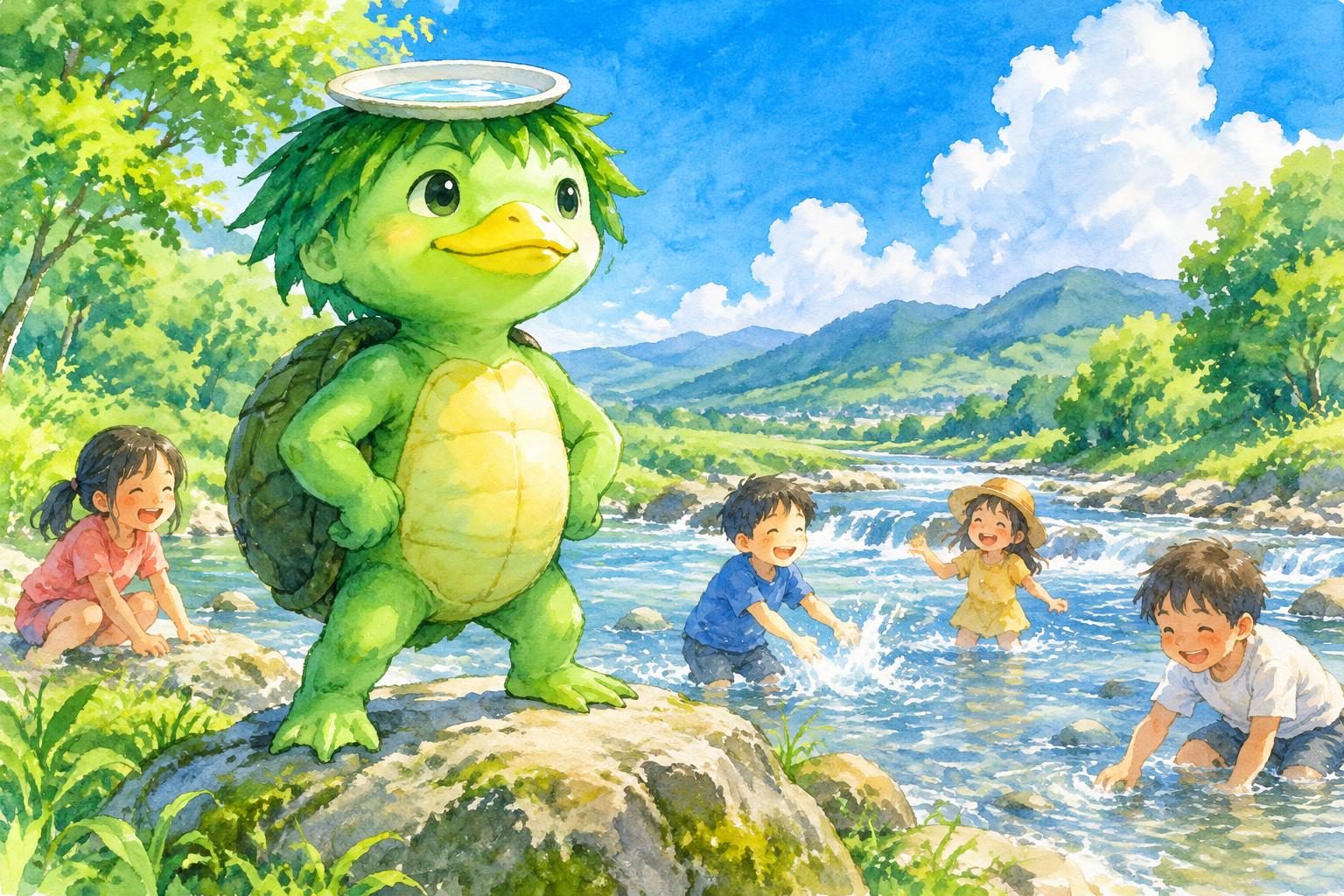
    Helpful kappa with traditional features watches over children by a Nagoya river.
    AI生成イメージ / AI-generated illustration (not a photograph of the actual place)

    Introduction to Japan’s Famous Water Spirits

    FACT: What are Kappa?

    Kappa are mythical creatures from Japanese folklore, often depicted as water-dwelling spirits with a penchant for mischief. They are typically portrayed with a humanoid form, webbed hands and feet, and a dish on their head that holds water, which is said to be the source of their power. Despite their mischievous nature, kappa are also known for their helpfulness and intelligence, traits that are celebrated in various regional legends across Japan. These creatures are believed to inhabit rivers and ponds, where they engage with humans in both playful and sometimes perilous ways. The kappa’s dual nature as both a trickster and a helper makes it a fascinating figure in Japanese mythology.

    The Lost Ōiseya River of Central Nagoya

    FACT: The Historical Path of the Ōiseya River

    The Ōiseya River once flowed through what is now central Nagoya, originating from the Nishi-named areas and coursing through Nakamura and Nakagawa wards before joining Nagoya Port. This river played a significant role in the city’s history, shaping its landscape and serving as a backdrop for local legends. The river’s path is now largely buried beneath the bustling streets of modern Nagoya, but its legacy lives on through stories and monuments that remind us of its past presence. The transformation of the river into urban infrastructure reflects the dynamic changes in Nagoya’s development over the centuries.

    Nagoya Castle(Larger) - Nagoya Castle Keep Tower
    “Nagoya Castle(Larger)” (Nagoya Castle Keep Tower) by Base64, CC BY-SA 3.0, source, via Wikimedia Commons

    The Legend of the Helpful Kappa and the Samurai

    LEGEND: The Helpful Kappa of Ōiseya River

    According to local tradition, a kappa inhabited the Ōiseya River, known for its ability to transform into a strong boy. This kappa was reputed to have saved drowning children, earning the moniker “helpful kappa.” The story highlights the creature’s benevolent nature and its role as a guardian of the river. It is said that the kappa’s transformation into a human form allowed it to interact more closely with the community, bridging the gap between the mystical and the mundane. This legend underscores the kappa’s protective instincts and its special connection to the children of Nagoya.

    LEGEND: The Samurai’s Encounter

    Another account from the Edo period, recorded in local history, tells of a samurai who encountered a kappa by the river. The kappa attempted to drag the samurai into the water but retreated when the samurai reprimanded it. This tale adds a layer of intrigue to the kappa’s character, showcasing its mischievous side. The samurai’s encounter reflects the kappa’s unpredictable nature and the tension between human courage and supernatural forces. Such stories were often shared to teach lessons about respect and caution when dealing with the unknown.

    Finding the Kappa Statues Near Nagoya Station

    FACT: Marking the Former River Site

    Near Nagoya Station, at the Ōise-dōri intersection, two kappa statues stand as a tribute to the river’s past and its legendary inhabitant. Erected about 30 years ago by local volunteers, these statues face downstream, symbolizing the flow of the former Ōiseya River. They serve as a reminder of the area’s rich folklore and are easily accessible to visitors exploring the city. The statues capture the playful essence of the kappa, inviting passersby to pause and reflect on the stories that once flowed with the river. These artistic representations are not only cultural markers but also a celebration of community spirit and historical preservation.

    Nagoya Castle(Edit2) - Nagoya Castle Keep Tower
    “Nagoya Castle(Edit2)” (Nagoya Castle Keep Tower) by Base64 edit by Noodle snacks, CC BY-SA 3.0, source, via Wikimedia Commons

    Shiogama Shrine and the Kappa Deity of Musando-sha

    FACT: The Kappa Deity at Shiogama Shrine

    In Nakagawa Ward, Shiogama Shrine houses a small subsidiary shrine called Musando-sha, where a kappa is enshrined as a deity. This kappa is believed to protect children, bring business prosperity, and cure hemorrhoids. Visitors to the shrine can participate in a ritual by pouring water over the kappa’s head dish to make prayers, a practice that keeps the legend alive. This ritual is a unique way for visitors to engage with the spiritual heritage of the area, offering a tangible connection to the mythical past. The shrine serves as a sanctuary for those seeking blessings and healing, embodying the kappa’s role as a benevolent force.

    Celebrating Local Folklore: The August Kappa Festival

    FACT: The Annual Kappa Festival

    Every August, Shiogama Shrine hosts a kappa festival, celebrating the folklore associated with the former Ōiseya River. This event draws locals and tourists alike, offering a glimpse into the cultural significance of the kappa legend and its enduring impact on the community. The festival features various activities and performances that honor the kappa’s legacy, fostering a sense of continuity and cultural pride. Participants can enjoy traditional music, dance, and storytelling, all centered around the theme of the kappa. The festival is a vibrant expression of Nagoya’s rich cultural tapestry, where ancient myths meet modern festivities.

    Tips for Travelers Exploring Nagoya’s Folklore Sites

    Visitors interested in exploring Nagoya’s rich folklore can start at the Ōise-dōri intersection to view the kappa statues, then proceed to Shiogama Shrine to experience the rituals and learn more about the kappa deity. These sites provide a unique opportunity to connect with the city’s cultural heritage and the intriguing legends that have shaped it. Travelers can immerse themselves in the stories of the past while enjoying the vibrant urban landscape of modern Nagoya. Whether you’re a history enthusiast or a curious explorer, these folklore sites offer a fascinating journey into the heart of Japanese mythology.

    Nearby Guide

    Access

    • Nagoya Station (Nagoya) — Nagoya Station is the central transportation hub of Nagoya, offering extensive connections to various parts of the city and beyond. It serves multiple railway lines, including JR Central, Meitetsu, Kintetsu, and the Nagoya Municipal Subway. official site

    Nearby sights

    • Nagoya Castle (Nagoya) — Nagoya Castle is a historic landmark known for its impressive architecture and beautiful gardens. Visitors can explore the reconstructed Hommaru Palace and enjoy seasonal events like cherry blossom viewing in spring. details
    • Toyota Commemorative Museum of Industry and Technology (Nagoya) — This museum showcases the history of Toyota’s development, featuring exhibits on the evolution of the automobile industry and technological advancements. details

    Where to stay

    • Nagoya Marriott Associa Hotel (Nagoya) — Located within the JR Central Towers, this hotel offers luxurious accommodations with convenient access to Nagoya Station’s facilities and transportation options. details

    Where to eat

    • Hitsumabushi (Nagoya) — A local specialty consisting of grilled eel served over rice, which can be enjoyed in various ways, including with condiments or in a broth. details
    Locator map of Japan: Nagoya, Aichi
    Legend site: Nagoya, Aichi — Source: Map of Japan with highlight on 23 Aichi prefecture.svg; Map: Lincun, CC BY-SA 3.0, via Wikimedia Commons

    Regional guide

    Location: Nagoya, Aichi Prefecture

    • Kappa statues at Ōise-dōri intersection (Nagoya) — source
    • Musando-sha (subsidiary shrine at Shiogama Shrine) (Nagoya) — source
    • Ōise-dōri (former Ōiseya River path) near Nagoya Station (Nagoya) — source
    • Shiogama Shrine, Nakagawa Ward (Nagoya) — source

    Sources

    About the author

    JAPAN ESSENCE Editorial Team
    Our mission is to bring you Japan’s legends, myths, festivals and living traditions, through both historical fact and the stories passed down over generations.

  • Nurikabe: The True Legend of Japan’s Invisible Stone Wall Yokai

    Nurikabe: The True Legend of Japan’s Invisible Stone Wall Yokai

    In the folklore-rich regions of Fukuoka and Oita Prefectures in Kyushu, Japan, tales of the Nurikabe—a mysterious invisible wall yokai—have intrigued and perplexed locals and visitors alike. This enigmatic entity is said to obstruct travelers at night, creating an impassable barrier that leaves them disoriented and lost.

    Nurikabe from the Bakemono no e scroll in the Harry F. Bruning Collection of Japanese books and manuscripts at Brigham Young
    “Nurikabe Bakemono no e BYU” by Anonymous Unknown author, Public domain, via Wikimedia Commons

    Introduction to the Nurikabe Legend

    LEGEND: The Invisible Wall of Kyushu

    According to local tradition, the Nurikabe is an invisible wall that appears suddenly on roads, especially at night, to block the path of travelers. This yokai is often depicted as a mischievous spirit, playing tricks on those who wander the roads of Fukuoka and Oita. While the wall itself is invisible, its effects are very real, causing confusion and frustration for those who encounter it. The legend speaks to a deeper cultural understanding of the unpredictable nature of travel and the unseen forces that can influence one’s journey. The presence of such tales in local folklore highlights the importance of respecting the unknown and the supernatural in Japanese culture.

    Travelers encountering the Nurikabe are often advised to change their path or wait for the obstacle to disappear, reflecting a cultural belief in patience and adaptability. This advice underscores the idea that sometimes the best way to deal with unseen challenges is to remain calm and flexible, a lesson that resonates with broader life philosophies in Japan.

    LEGEND: Variations in the Story

    In some stories, the Nurikabe is not just a simple wall but a sentient entity capable of moving and adapting to thwart any attempt to bypass it. This adds a layer of complexity to the legend, suggesting that the yokai is not merely an obstacle but a cunning adversary. The tales often emphasize the futility of trying to outsmart the Nurikabe, as it seems to anticipate and counteract every move a traveler might make. This portrayal of the Nurikabe as an intelligent force highlights the theme of humility before nature’s mysteries, a common motif in Japanese folklore.

    These variations in the story also reflect the rich oral tradition of the region, where each retelling can bring new elements or interpretations. This dynamic storytelling tradition ensures that the legend remains vibrant and relevant to each new generation, adapting to the cultural and social contexts of the time.

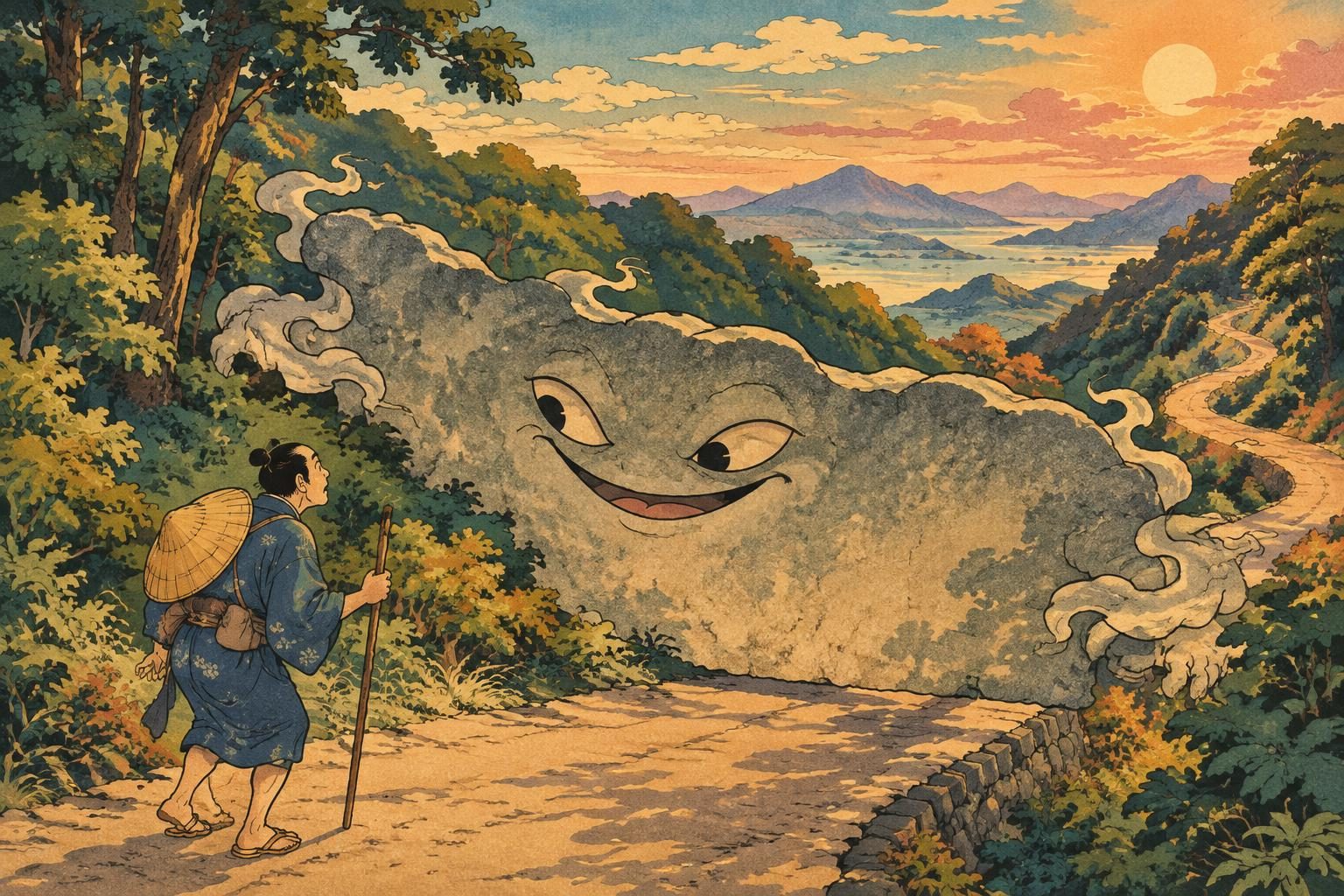
    Ukiyo-e illustration of Nurikabe, a yokai, blocking a traveler's path on a scenic road.
    AI生成イメージ / AI-generated illustration (not a photograph of the actual place)

    Kunio Yanagita and the Onga District Coast

    FACT: Documenting Folklore

    Kunio Yanagita, a renowned Japanese folklorist, played a significant role in documenting the tales of the Nurikabe. His work in the Onga District of Fukuoka Prefecture helped preserve these stories for future generations. Yanagita’s dedication to collecting and recording oral traditions has been instrumental in keeping the legend of the Nurikabe alive. His meticulous documentation provides a window into the cultural landscape of the time, offering insights into how these stories were shared and adapted across generations. Yanagita’s efforts highlight the importance of preserving intangible cultural heritage, ensuring that these stories continue to be a source of cultural identity and pride.

    FACT: Yanagita’s Influence

    Yanagita’s influence extends beyond mere documentation; he helped elevate the status of folklore as an important cultural and academic pursuit. By treating these stories with the same respect as historical texts, he ensured that the voices and beliefs of rural Japan were not lost to modernization. His work in the Onga District is a testament to his commitment to preserving the intangible cultural heritage of Japan. Through his writings, Yanagita not only preserved the stories themselves but also fostered a greater appreciation for the cultural and historical contexts in which these legends were born.

    Hakata Port from Fukuoka Tower - Views from Fukuoka Tower, Cityscapes of Fukuoka
    “Hakata Port from Fukuoka Tower” (Views from Fukuoka Tower, Cityscapes of Fukuoka) by そらみみ, CC BY-SA 4.0, source, via Wikimedia Commons

    Formless Spatial Anomaly vs. Modern Depictions

    LEGEND: Traditional vs. Modern Interpretations

    While traditional accounts describe the Nurikabe as an invisible barrier, modern depictions often give it a more tangible form. In some interpretations, it is portrayed as a creature with a face and limbs, adding a visual element to the otherwise formless yokai. This evolution reflects the changing ways in which folklore adapts to contemporary culture. The shift from an abstract concept to a more defined character illustrates how modern storytelling techniques influence the portrayal of ancient myths. This transformation is indicative of a broader trend in folklore, where stories are reimagined to resonate with contemporary audiences, bridging the gap between past and present.

    LEGEND: Cultural Adaptation

    The transformation of the Nurikabe from an invisible wall to a creature with distinct features highlights the dynamic nature of folklore. As society changes, so too do the stories that it tells. This adaptation is not only a testament to the enduring nature of the Nurikabe legend but also to the creativity and imagination of those who continue to share these tales. The reinterpretation of the Nurikabe in modern media, such as anime and manga, demonstrates the ongoing relevance of these legends in popular culture, allowing them to reach new audiences and maintain their place in the cultural consciousness.

    Oita Prefecture Variants: Tanuki and Weasel Legends

    LEGEND: Shape-Shifting Tricksters

    In Oita Prefecture, variations of the Nurikabe legend include shape-shifting animals such as tanuki (raccoon dogs) and weasels. These creatures are believed to transform into the invisible wall, using their cunning to deceive travelers. Such stories highlight the rich tapestry of yokai folklore in the region, where animals often play pivotal roles in supernatural tales. The inclusion of these animals adds a layer of trickery and mischief, as tanuki and weasels are traditionally seen as clever and elusive creatures. This aspect of the legend underscores the theme of nature’s unpredictability and the belief in the supernatural abilities of animals in Japanese culture.

    LEGEND: Animal Influence in Folklore

    The presence of shape-shifting animals in the Nurikabe legend underscores the importance of animals in Japanese folklore. These creatures often serve as intermediaries between the human and supernatural worlds, embodying traits that are both familiar and otherworldly. The stories of tanuki and weasels transforming into the Nurikabe reflect a broader cultural fascination with the boundaries between the natural and supernatural realms. This fascination is evident in the way these legends are woven into the fabric of local culture, influencing art, literature, and even local customs.

    福岡市扇町公園 ブランコ - Hakata-eki-minami, Fukuoka, Parks in Fukuoka
    “福岡市扇町公園 ブランコ” (Hakata-eki-minami, Fukuoka, Parks in Fukuoka) by Harimawood, CC BY-SA 4.0, source, via Wikimedia Commons

    Historical Scrolls and Early Depictions of the Wall

    FACT: Artistic Representations

    Historical scrolls and artworks provide glimpses into how the Nurikabe has been perceived over time. Early depictions often show a simple wall or barrier, emphasizing its role as an obstacle. These artistic interpretations serve as valuable records of the cultural significance of the Nurikabe in Japanese folklore. The simplicity of these early representations highlights the yokai’s primary function as an impediment, leaving much to the imagination regarding its true nature. These artworks not only document the visual history of the Nurikabe but also offer insights into the artistic conventions and cultural values of the periods in which they were created.

    FACT: Evolution of Depictions

    As artistic styles evolved, so too did the representations of the Nurikabe. Later artworks began to incorporate more elaborate and imaginative elements, reflecting the changing perceptions of the yokai. These depictions not only illustrate the artistic trends of their time but also provide insight into how the legend of the Nurikabe has been reinterpreted and reimagined throughout history. This evolution showcases the interplay between art and folklore, where each influences the other, resulting in a rich tapestry of cultural expression that continues to evolve.

    Exploring the Folklore Roots in Modern Kyushu

    FACT: Cultural Influence and Legacy

    The legend of the Nurikabe continues to influence cultural expressions in Kyushu today. From local festivals to storytelling events, the invisible wall yokai remains a beloved and enduring symbol of the region’s rich folkloric heritage. Its presence in popular culture underscores the timeless appeal of yokai stories in Japan. These events not only celebrate the Nurikabe but also serve as a means of preserving and promoting the cultural identity of Kyushu. By engaging with these traditions, both locals and visitors can experience the living history of the region, gaining a deeper understanding of its cultural roots.

    FACT: Modern Celebrations

    Modern celebrations of the Nurikabe legend often incorporate elements of traditional performance, art, and storytelling. These events provide an opportunity for locals and visitors alike to engage with the region’s folklore in a dynamic and interactive way. By participating in these celebrations, individuals can gain a deeper appreciation for the cultural heritage of Kyushu and the enduring legacy of its yokai tales. These festivities not only keep the legend alive but also foster a sense of community and continuity, ensuring that the stories of the Nurikabe remain a vibrant part of Kyushu’s cultural landscape.

    Locator map of Japan: Fukuoka, Fukuoka
    Legend site: Fukuoka, Fukuoka — Source: Map of Japan with highlight on 40 Fukuoka prefecture.svg; Map: Lincun, CC BY-SA 3.0, via Wikimedia Commons

    Sources

    About the author

    JAPAN ESSENCE Editorial Team
    Our mission is to bring you Japan’s legends, myths, festivals and living traditions, through both historical fact and the stories passed down over generations.

  • Exploring Miyoshi’s Mononoke Legend and the Japan Yokai Museum

    Exploring Miyoshi’s Mononoke Legend and the Japan Yokai Museum

    In the mist-shrouded Miyoshi Basin of Hiroshima Prefecture, the legend of the Inō Mononoke Roku captivates visitors with tales of ghostly encounters and supernatural intrigue. At the heart of this folklore is the story of Ino Heitaro, whose haunting experiences are immortalized in the local culture and celebrated at the Miyoshi Mononoke Museum.

    Yōkai without a head
    “Yokai without a head” by Unknown author Unknown author, Public domain, via Wikimedia Commons

    Introduction to the Miyoshi Basin and Its Foggy Atmosphere

    FACT: The Geography of Miyoshi

    Miyoshi, located in Hiroshima Prefecture, is renowned for its picturesque landscapes, characterized by rolling hills and lush greenery. The dense fog that frequently envelops the area adds an air of mystery and enchantment, creating an ideal setting for tales of the supernatural. This atmospheric backdrop has contributed to the region’s rich folklore heritage, where stories of yokai and otherworldly beings have been passed down through generations. The fog not only enhances the mystique of the region but also plays a pivotal role in the storytelling traditions, where the unseen and the unknown are brought to life in the imaginations of the people.

    The region’s natural beauty and its atmospheric conditions have long inspired local folklore, making Miyoshi a unique cultural hub for those interested in the supernatural. The interplay between the natural environment and the cultural narratives creates a compelling tapestry that draws both locals and tourists alike to explore its mysteries.

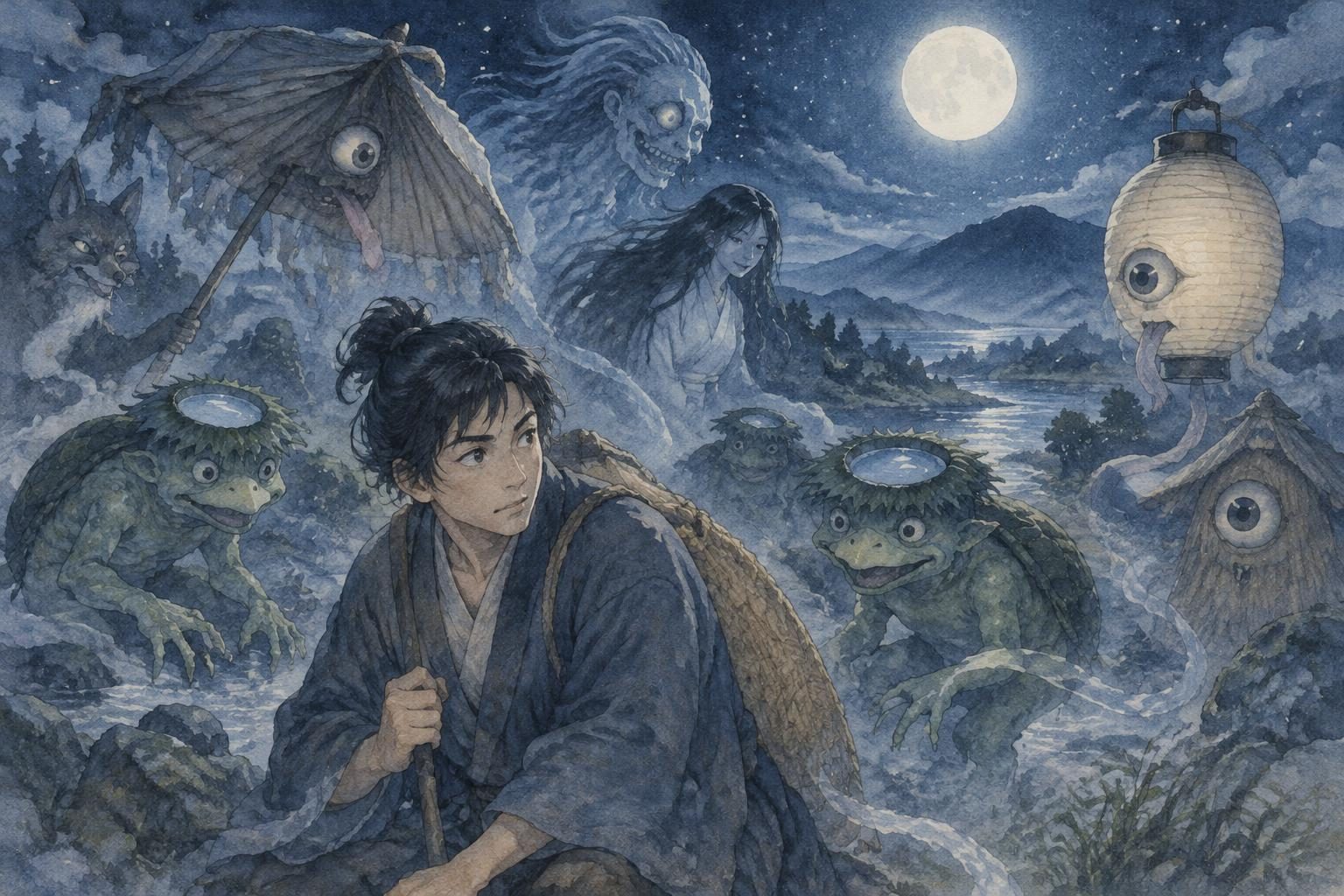
    Ino Heitaro surrounded by yokai in moonlit Miyoshi landscape.
    AI生成イメージ / AI-generated illustration (not a photograph of the actual place)

    The 1749 Haunting: Ino Heitaro and the Thirty-Night Mononoke Legend

    LEGEND: The Haunting of Ino Heitaro

    According to local tradition, the haunting of Ino Heitaro began in 1749, marking a significant chapter in Miyoshi’s folklore. Ino Heitaro, a local resident, reportedly endured a series of eerie events over thirty consecutive nights. Each night, Heitaro was visited by different yokai, or supernatural creatures, which tormented him in various ways. These yokai are said to have taken on numerous forms, from mischievous spirits to terrifying apparitions, each bringing its own brand of chaos and fear. The story concerns Heitaro’s residence, but its precise site has not been confirmed, according to Hiroshima Prefecture’s history and culture portal.

    The story of Heitaro’s haunting is often recounted in local festivals and storytelling sessions, where the vivid descriptions of the yokai encounters captivate audiences. These narratives serve as a reminder of the thin veil between the human world and the supernatural, a theme that resonates deeply within Japanese culture. The legend continues to be a source of fascination, inspiring various forms of artistic expression, from traditional paintings to modern adaptations in literature and media.

    Miyoshi Hiroshima 2023 Aug 20 09-50AM - Miyoshi, Hiroshima
    “Miyoshi Hiroshima 2023 Aug 20 09-50AM” (Miyoshi, Hiroshima) by Nesnad, CC BY 4.0, source, via Wikimedia Commons

    Sanmoto Gorozaemon and the Final Night Encounter

    LEGEND: The Confrontation with Sanmoto Gorozaemon

    The climax of Heitaro’s ordeal is marked by the appearance of Sanmoto Gorozaemon, a powerful yokai known for his malevolent nature. On the final night, Heitaro faced this fearsome entity in a dramatic encounter that has been recounted in various forms of storytelling, including oral traditions and written accounts. Sanmoto Gorozaemon is often depicted as a fearsome figure, embodying the very essence of the supernatural threats that plagued Heitaro. This confrontation not only highlights the enduring power of yokai in Japanese folklore but also underscores the bravery and resilience of those who face such otherworldly challenges.

    In some versions of the story, Sanmoto Gorozaemon is portrayed as a shape-shifting demon, capable of manipulating the environment and instilling fear through illusions. This aspect of the legend emphasizes the psychological battle between Heitaro and the yokai, where courage and wit are as crucial as physical strength. The tale of this final encounter serves as a testament to the human spirit’s ability to confront and overcome the unknown, a theme that resonates across cultures and time periods.

    Stepping into Japanese Folklore at the Miyoshi Mononoke Museum

    FACT: Exhibits at the Museum

    The Miyoshi Mononoke Museum offers visitors an immersive experience into the world of Japanese folklore. The museum showcases a variety of exhibits, including traditional scrolls depicting yokai, digital displays, and interactive installations. These exhibits provide insight into the cultural significance of yokai and their impact on Japanese art and literature. Visitors can explore the rich tapestry of stories and characters that make up this fascinating aspect of Japanese culture, gaining a deeper understanding of how these mythical creatures have shaped the collective imagination.

    The museum’s collection includes rare artifacts and historical documents that trace the evolution of yokai depictions over the centuries. Through these exhibits, visitors can appreciate the artistic techniques and cultural contexts that have influenced the portrayal of these supernatural beings. The museum serves as a bridge between the past and the present, allowing contemporary audiences to engage with traditional folklore in a meaningful way.

    Manhole cover of Miyoshi, Hiroshima - Miyoshi, Hiroshima, Manhole covers in Hiroshima prefecture
    “Manhole cover of Miyoshi, Hiroshima” (Miyoshi, Hiroshima, Manhole covers in Hiroshima prefecture) by そらみみ, CC BY-SA 4.0, source, via Wikimedia Commons

    Scrolls, Digital Displays, and teamLab Yokai Experiences

    FACT: Interactive Elements

    One of the highlights of the museum is the collaboration with teamLab, a renowned art collective known for their digital art installations. Visitors can engage with interactive displays that bring the stories of yokai to life, offering a modern twist on traditional folklore. These experiences are designed to educate and entertain, making the museum a must-visit for those interested in Japanese culture. The digital art installations allow visitors to interact with the exhibits in innovative ways, creating a dynamic and engaging environment that bridges the past with the present.

    Through the use of cutting-edge technology, the museum offers a sensory experience that enhances the storytelling of yokai legends. Visitors can witness the transformation of traditional art into living, breathing narratives that respond to their presence and actions. This immersive approach not only captivates audiences but also fosters a deeper appreciation for the cultural heritage of Miyoshi and its enduring folklore.

    Planning Your Visit to Miyoshi in Hiroshima Prefecture

    FACT: Practical Information

    The Miyoshi Mononoke Museum is located in Miyoshi, Hiroshima Prefecture. Visitors are encouraged to check the official website for current hours, fees, and access details. The museum is easily accessible from Miyoshi Station, by local bus in about 10 minutes or on foot in about 30 minutes. This accessibility makes it convenient for both local visitors and tourists to explore the rich cultural heritage of the region.

    For those planning a visit, the museum offers a unique opportunity to delve into the world of Japanese folklore while enjoying the scenic beauty of the Miyoshi Basin. Whether you’re a folklore enthusiast or a casual traveler, the museum provides an enriching experience that highlights the intersection of tradition and modernity in Japanese culture.

    Nearby Guide

    Access

    • Miyoshi Station (Miyoshi) — From Miyoshi Station, take a bus for about 10 minutes or walk approximately 30 minutes to reach the museum. official site

    Nearby sights

    • Hiroshima Miyoshi Winery (Miyoshi) — A local winery offering tours, tastings, and a barbecue garden. details
    • Taishaku Gorge (Shobara and Jinsekikogen) — A gorge spanning Shobara City and Jinsekikogen Town. Plan it as a separate outing beyond Miyoshi. Official tourism information

    Where to stay

    • Hotel Route-Inn Miyoshi Ekimae (Miyoshi) — A hotel located near Miyoshi Station, offering free WiFi, free parking, and a 24-hour front desk. Rooms are equipped with modern amenities. details
    • Kimita Onsen Mori no Izumi (Miyoshi) — A hot spring and lodging facility offering a relaxing stay with natural hot springs and comfortable accommodations. details

    Where to eat

    • Tamu Shoten Miyoshi Ekimae (Miyoshi) — An okonomiyaki restaurant near Miyoshi Station offering the local specialty Miyoshi karamen-yaki (三次唐麺焼). Official menu
    • Robata Kaba Miyoshi (Miyoshi) — A seafood izakaya in Tokaichi-naka, about a five-minute walk from JR Miyoshi Station. Official site
    • Miyoshi Winery Café (Miyoshi) — A café located within the Hiroshima Miyoshi Winery, offering wine tastings and light meals. details
    Locator map of Japan: Miyoshi, Hiroshima
    Legend site: Miyoshi, Hiroshima — Source: Map of Japan with highlight on 34 Hiroshima prefecture.svg; Map: Lincun, CC BY-SA 3.0, via Wikimedia Commons

    Sources

    About the author

    JAPAN ESSENCE Editorial Team
    Our mission is to bring you Japan’s legends, myths, festivals and living traditions, through both historical fact and the stories passed down over generations.

  • Shidaidaka: The Ever-Rising Roadside Yokai of Shimane

    Shidaidaka: The Ever-Rising Roadside Yokai of Shimane

    In Gōtsu, Shimane Prefecture, a mysterious yokai known as Shidaidaka is said to haunt the roads and mountain paths, growing ever taller and more imposing as travelers look up at it. This legend, rooted in the folklore of the Chūgoku region, continues to captivate those who hear it.

    Ukiyo-e style illustration of Shidaidaka, a towering yokai, growing on a lantern-lit road in Shimane.
    AI生成イメージ / AI-generated illustration (not a photograph of the actual place)

    What Is the Shidaidaka?

    FACT: The Yokai’s Characteristics

    The Shidaidaka is a yokai, or supernatural creature, from Japanese folklore, specifically associated with the Chūgoku region. It is known for its peculiar ability to grow taller as one looks up at it, creating an intimidating presence. This yokai is often encountered on roadsides, especially in rural areas like Gōtsu, where the legend is most prevalent. The phenomenon of the Shidaidaka’s growth is not only a physical transformation but also a psychological one, as it plays on the fears and imaginations of those who encounter it. The yokai’s ability to change size is a common theme in Japanese folklore, reflecting the unpredictable and often mischievous nature of these mythical beings.

    The Legend Across Gōtsu and Shimane

    LEGEND: Shidaidaka’s Haunting Presence

    According to local tradition, the Shidaidaka appears on quiet roads and mountain paths around Gōtsu. Travelers recount seeing a figure that initially seems human but begins to grow in height as they look upward. This phenomenon is said to instill fear, causing many to avoid traveling alone at night. The legend serves as a cautionary tale, warning people to be wary of their surroundings, especially in isolated areas. The Shidaidaka’s presence is a reminder of the unseen forces that might be lurking in the shadows, waiting to test the courage of those who dare to travel alone.

    LEGEND: Impact on Local Culture

    The story of the Shidaidaka has permeated local culture, influencing the way people perceive the roads and paths around Gōtsu. It is not uncommon for locals to share tales of encounters with the yokai, each story adding to the rich tapestry of folklore that defines the region. These stories are often passed down through generations, keeping the legend alive and ensuring that the Shidaidaka remains a significant figure in the cultural landscape of Shimane Prefecture.

    Mt. Sanbe and Ukinuno pond - Remote views of Mount Sanbe
    “Mt. Sanbe and Ukinuno pond” (Remote views of Mount Sanbe) by by Reggaeman, CC BY-SA 3.0, source, via Wikimedia Commons

    Regional Variations: Kawado and Hazumi Folktales

    LEGEND: Different Accounts in Gōtsu

    In the former Kawado area, now part of Gōtsu, one story tells of a traveler who encountered the Shidaidaka on a misty night. As the figure loomed larger, the traveler fled in terror, only to find it had vanished upon looking back. This account emphasizes the ephemeral nature of the yokai, suggesting that it may be more of a psychological manifestation than a physical one. Meanwhile, in Hazumi, another tale describes the Shidaidaka as a protector of the roads, ensuring travelers remain cautious and respectful of their surroundings. This version of the legend portrays the yokai as a guardian spirit, highlighting the dual nature of many yokai in Japanese folklore, who can be both benevolent and malevolent depending on the circumstances.

    Connection to Nekomata and Mikoshi-Nyūdō

    FACT: Similar Yokai in Japanese Folklore

    The Shidaidaka shares characteristics with other yokai, such as the Nekomata and Mikoshi-Nyūdō. The Nekomata, a cat-like creature, is known for its shape-shifting abilities, while the Mikoshi-Nyūdō is another yokai that grows taller when looked up at. These similarities highlight the thematic elements of transformation and intimidation in Japanese folklore. The Mikoshi-Nyūdō, in particular, shares the Shidaidaka’s ability to grow in size, making it a kindred spirit in the realm of yokai. Such creatures often serve as metaphors for the unknown and the uncontrollable aspects of the natural world, reminding people of their place within it.

    姫逃池 Himenoga pond - panoramio - Mount Sanbe, Ponds in Shimane prefecture
    “姫逃池 Himenoga pond – panoramio” (Mount Sanbe, Ponds in Shimane prefecture) by OS6, CC BY-SA 3.0, source, via Wikimedia Commons

    The Roadway Legends of Mount Sanbe

    LEGEND: Shidaidaka and Mount Sanbe

    Local legends also place the Shidaidaka along the roads near Mount Sanbe. Here, the yokai is said to appear to those who disrespect the natural environment, serving as a reminder of the mountain’s sacredness. This connection to nature and the supernatural reinforces the cultural importance of respecting the land in Japanese tradition. The presence of the Shidaidaka in such a revered location underscores the belief that nature is imbued with spiritual significance, and that disrespecting it can have supernatural consequences. This aspect of the legend encourages a harmonious relationship with the environment, a value deeply rooted in Japanese culture.

    How to Explore Shimane’s Mythological Landscapes Safely

    FACT: Visiting Gōtsu and Surrounding Areas

    For those interested in exploring the mythological landscapes of Shimane, including the areas around Gōtsu, it’s important to travel safely. Visitors should check the official website for current hours, fees, and access information. The roads and paths where the Shidaidaka is said to appear offer a unique glimpse into the region’s folklore and natural beauty. Travelers are encouraged to respect the local customs and traditions, as well as the natural environment, to fully appreciate the cultural significance of these sites. Whether you’re a folklore enthusiast or simply curious about the region’s mystical tales, Gōtsu offers a fascinating journey into the heart of Japanese mythology.

    Elsewhere in Shimane: Unnan and Matsue

    Access

    • JR Kisuki Station (Unnan) — Kisuki Station is on the JR Kisuki Line. This is access information for Unnan, not Gōtsu. The sightseeing train Okuizumo Orochi-go ended service on November 23, 2023. Shimane official tourism information
    • Mitoya Kisuki IC (Unnan) — Mitoya Kisuki IC is an interchange on the Matsue Expressway, providing convenient access to the region by car. From the interchange, it’s approximately a 20-minute drive to JR Kisuki Station and other local attractions. official site

    Nearby sights

    • Matsue Castle (Matsue) — Matsue Castle, also known as the Plover Castle due to its black exterior, is one of Japan’s original castles and a National Treasure. Visitors can explore its historic architecture and enjoy panoramic views from the top floor. The castle grounds are also home to Jozan Inari Shrine and the Kounkaku m official site
    • Kisuki’s Rows of Cherry Trees (Unnan) — Kisuki is renowned for its two-kilometer-long cherry blossom tunnel along the Hiikawa River, featuring over 800 cherry trees. This scenic spot is especially enchanting during the cherry blossom season from late March to mid-April. official site

    Where to eat

    • Ye Olde Feast House (Unnan) — Ye Olde Feast House offers a buffet of homemade local dishes prepared by local women in an old thatched roof house. Reservations are available for groups of 20 or more. details
    • Shoku no Mori Farm (Unnan) — Shoku no Mori Farm features a winery and a bakery, with a vineyard at its center creating a beautiful landscape. details
    Locator map of Japan: Gōtsu, Shimane
    Legend site: Gōtsu, Shimane — Source: Map of Japan with highlight on 32 Shimane prefecture.svg; Map: Lincun, CC BY-SA 3.0, via Wikimedia Commons

    Sources

    About the author

    JAPAN ESSENCE Editorial Team
    Our mission is to bring you Japan’s legends, myths, festivals and living traditions, through both historical fact and the stories passed down over generations.

  • The Kudan of Iwakuni: The Wartime Prophetic Yokai of Yamaguchi

    The Kudan of Iwakuni: The Wartime Prophetic Yokai of Yamaguchi

    In Iwakuni, Yamaguchi Prefecture, a mysterious yokai known as the Kudan is said to have appeared during World War II, prophesying the war’s end. This mythical creature, with the face of a human and the body of a cow, has captured the imagination of many, blending folklore with historical events.

    Kudan Kaikan (former Military Officer's Club), 1-8-5 Kudan-minami, Chiyoda-ku, Tokyo, Japan, designed by Ryoichi Kawamoto in
    “Kudan Kaikan 2010” by Wiiii, CC BY-SA 3.0, via Wikimedia Commons

    What Is a Kudan? The Prophetic Beast of Japanese Folklore

    FACT: The Yokai’s Characteristics

    The Kudan is a unique yokai in Japanese folklore, known for its distinctive appearance and prophetic abilities. Typically depicted with the face of a human and the body of a cow, the Kudan is believed to possess the power to predict significant events. These predictions are often dire, and the creature is said to die shortly after delivering its prophecy. The Kudan’s origins are rooted in Edo-period broadsheets, where it was first documented as a creature of ominous predictions. These early depictions contributed to the yokai’s mysterious aura, making it a subject of intrigue and fear.

    LEGEND: The Story of the Iwakuni Kudan

    According to local legend, in 1943, a Kudan appeared in Iwakuni, Yamaguchi Prefecture. This yokai reportedly predicted the end of World War II in April or May, a prophecy that resonated with the local population amidst the turmoil of war. The legend suggests that the Kudan’s appearance was a sign of hope during a time of uncertainty and fear. While the exact location of this event is tied to a geta shop in Iwakuni, the details remain elusive, adding to the mystique of the tale. The geta shop, though unspecified in location, serves as a symbolic place where the supernatural and the mundane intersect.

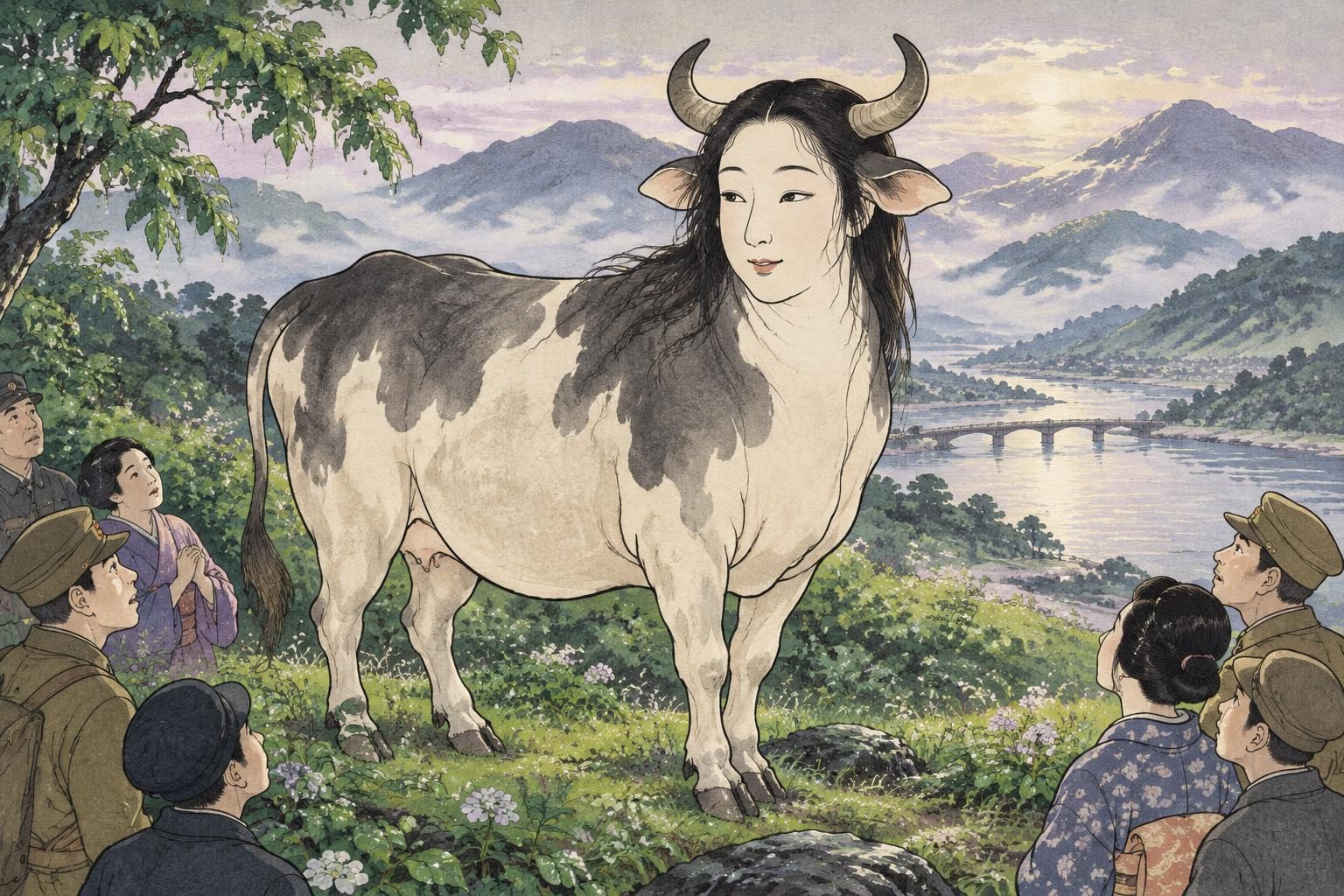
    Ukiyo-e illustration of Kudan yokai in post-rain Iwakuni landscape, surrounded by 1943-era figures.
    AI生成イメージ / AI-generated illustration (not a photograph of the actual place)

    The 1943 Iwakuni Legend: A Wartime Prophecy

    FACT: Documented Rumors and Military Records

    During World War II, rumors of the Kudan’s prophecy spread through Iwakuni, capturing the attention of both locals and authorities. Military police records from the time, as noted by sources such as note.com, document these rumors, indicating the level of belief and concern they generated. These records provide a glimpse into how folklore can influence and reflect societal anxieties during wartime. The presence of such records underscores the impact of the Kudan legend on the community, illustrating how deeply folklore can permeate daily life and official domains.

    LEGEND: Variants of the Prophecy

    Different accounts of the Kudan’s prophecy exist, with some variations in the details of the prediction. While the core message remained the same—the war would end in April or May—the manner in which the Kudan delivered this prophecy is subject to local interpretation. Some versions suggest the Kudan spoke directly to a shopkeeper, while others imply it was a more ethereal communication. These variants highlight the fluid nature of oral traditions and the role of community storytelling in preserving cultural narratives. The diversity in these stories reflects the adaptability of folklore, allowing it to resonate with different audiences and contexts.

    Tenshu of Iwakuni Castle and Kintaikyo Bridge 2 - Remote views of Iwakuni Castle
    “Tenshu of Iwakuni Castle and Kintaikyo Bridge 2” (Remote views of Iwakuni Castle) by そらみみ, CC BY-SA 4.0, source, via Wikimedia Commons

    Regional Anxieties: Kudan Legends Across Chugoku

    FACT: The Spread of Kudan Stories

    The Kudan legend is not unique to Iwakuni; similar stories have been reported across the Chugoku region. These tales often emerge during times of crisis, serving as a cultural mechanism for communities to process fear and uncertainty. The spread of Kudan stories during wartime reflects a broader pattern of using folklore to make sense of the unknown and to provide a semblance of control over unpredictable events. The recurrence of such legends across different locales suggests a shared cultural response to collective anxieties, where the Kudan becomes a vessel for expressing and managing communal fears.

    LEGEND: The Kudan’s Role in Local Folklore

    In Yamaguchi and beyond, the Kudan has become a symbol of prophecy and mystery. Local traditions often depict the Kudan as a harbinger of change, its appearance signaling a turning point in the community’s fate. These stories are passed down through generations, each retelling adding layers of meaning and interpretation. The Kudan’s enduring presence in local folklore underscores its significance as a cultural touchstone. Its role as a prophetic figure highlights the human desire to find meaning in chaos and to seek guidance from the supernatural during challenging times.

    From Edo Broadsheets to Wartime Omens: The Evolution of Kudan Beliefs

    FACT: Historical Documentation

    Historical documentation of the Kudan dates back to the Edo period, where it was featured in broadsheets as a creature of ominous predictions. These early accounts laid the foundation for the Kudan’s role in Japanese folklore, establishing its reputation as a prophetic being. The transition from historical documentation to wartime legend illustrates the adaptability of folklore in addressing contemporary issues. This evolution demonstrates how traditional stories can be repurposed to meet the needs of different eras, maintaining their relevance and appeal across generations.

    LEGEND: Modern Interpretations

    Today, the Kudan continues to be a subject of fascination and reinterpretation. Modern storytellers and folklorists explore the Kudan’s role in historical and contemporary contexts, examining how its legend has evolved over time. This ongoing interest in the Kudan reflects a broader appreciation for yokai culture and its ability to connect past and present narratives. The Kudan’s story serves as a reminder of the enduring power of folklore to captivate the imagination and to provide insight into the cultural psyche.

    Tenshu of Iwakuni Castle and Kintaikyo Bridge 1 - Remote views of Iwakuni Castle
    “Tenshu of Iwakuni Castle and Kintaikyo Bridge 1” (Remote views of Iwakuni Castle) by そらみみ, CC BY-SA 4.0, source, via Wikimedia Commons

    Exploring Iwakuni and Yamaguchi’s Rich Historical Lore

    FACT: Iwakuni’s Cultural Heritage

    Iwakuni is rich in cultural heritage, with landmarks such as the Kintaikyo Bridge and Iwakuni Castle offering glimpses into the region’s past. These sites, along with the enduring legend of the Kudan, contribute to Iwakuni’s identity as a place where history and folklore intertwine. Visitors to Iwakuni can explore these connections, experiencing firsthand the blend of myth and history that defines the area. The presence of these historical sites provides a tangible context for the intangible stories, allowing visitors to immerse themselves in the cultural landscape of Iwakuni.

    Nearby Guide

    Access

    • Iwakuni Station (Iwakuni) — From JR Iwakuni Station, take a bus to Kintaikyo Bridge (about 20 minutes). Alternatively, the bridge is approximately a 20-minute walk from Kawanishi Station. official site

    Nearby sights

    • Kintaikyo Bridge (Iwakuni) — The Kintaikyo Bridge is a 17th-century wooden bridge spanning the Nishiki River, renowned for its five arches and historical significance. It’s a must-see landmark in Iwakuni. official site
    • Iwakuni Castle (Iwakuni) — Perched atop Mount Shiroyama, Iwakuni Castle offers panoramic views of the city and the Kintaikyo Bridge. A ropeway ride from Kikko Park takes visitors up to the castle. details
    • Kikko Park & the Samurai Quarter (Iwakuni) — Kikko Park, once the residence of the Kikkawa lords, features moats, fountains, shrines, and preserved samurai houses like the Mekata residence. It’s a serene spot to explore Iwakuni’s feudal history. details

    Where to stay

    • Hotel Iwakuni (Iwakuni) — Hotel Iwakuni offers comfortable accommodations with easy access to the Kintaikyo Bridge and other local attractions. It’s a convenient choice for travelers. official site

    Where to eat

    • Bote Q (Iwakuni) — Bote Q is a cozy eatery specializing in Hiroshima-style okonomiyaki, a savory pancake dish. Located near Iwakuni Station, it’s a popular spot for both locals and visitors. details
    Locator map of Japan: Iwakuni, Yamaguchi
    Legend site: Iwakuni, Yamaguchi — Source: Map of Japan with highlight on 35 Yamaguchi prefecture.svg; Map: Lincun, CC BY-SA 3.0, via Wikimedia Commons

    Sources

    About the author

    JAPAN ESSENCE Editorial Team
    Our mission is to bring you Japan’s legends, myths, festivals and living traditions, through both historical fact and the stories passed down over generations.

  • Discover Hyosube: Saga’s Hairy Water-Sprite Yokai

    Discover Hyosube: Saga’s Hairy Water-Sprite Yokai

    In Saga, Saga Prefecture, the mysterious Hyosube, a hairy water-sprite yokai, has captured the imagination of locals and visitors alike. This enigmatic creature is steeped in folklore, offering a unique glimpse into the region’s cultural tapestry.

    Hyosube, a hairy yokai, causes chaos in a bathhouse, surrounded by a misty landscape at sunrise.
    AI生成イメージ / AI-generated illustration (not a photograph of the actual place)

    Who is Hyosube? The Hairy Water-Sprite of Saga

    FACT: What the records say

    The Hyosube is a type of yokai, or supernatural creature, found in Japanese folklore. Known for its hairy appearance, the Hyosube is often associated with water and is believed to inhabit rivers and streams, particularly in the Saga region. Its name is thought to derive from the sound it makes when moving through water. This auditory association adds an eerie layer to its mystique, as if the creature is perpetually shrouded in the sound of rushing waters, echoing its elusive nature.

    In addition to its distinctive auditory signature, the Hyosube’s physical description further enhances its mysterious aura. Its body is said to be covered in thick, dark hair, which blends seamlessly with the shadows of the water. This characteristic not only serves to camouflage the creature but also contributes to the unsettling feeling it evokes among those who claim to have encountered it. The Hyosube’s presence in local folklore underscores the deep connection between the people of Saga and their natural environment, where rivers and streams play a crucial role in daily life.

    Origins and Mythology: From Living Dolls to River Spirits

    LEGEND: The story told in Saga

    According to local legend, the Hyosube is a mischievous spirit that enjoys causing trouble for unsuspecting humans. It is said to sneak into bathhouses, leaving behind a mess of hair and dirt. Those who encounter a Hyosube are advised to clean up thoroughly, as failing to do so can bring misfortune. This tale serves as a cautionary story, emphasizing cleanliness and vigilance, and reflects the cultural importance of purity and order in Japanese society.

    This legend is often recounted in various forms, with some versions highlighting the Hyosube’s penchant for pranks. It is said that the creature delights in upending bath buckets and creating chaos in the serene environment of the bathhouse. This behavior not only serves to amuse the Hyosube but also to test the patience and diligence of those who must clean up after it. The emphasis on cleanliness in these tales mirrors broader Japanese cultural values, where maintaining harmony and order is of paramount importance.

    Shimmon Gate of Matsubara Shrine in Saga Shrine 2 - Saga-jinja, Stone lanterns in Saga prefecture
    “Shimmon Gate of Matsubara Shrine in Saga Shrine 2” (Saga-jinja, Stone lanterns in Saga prefecture) by そらみみ, CC BY-SA 4.0, source, via Wikimedia Commons

    Behaviors and Quirks: Bathhouses and Eggplants

    LEGEND: Local tales of Hyosube’s antics

    Legend holds that the Hyosube has a fondness for eggplants and can often be placated by offering them. This quirky behavior adds a humorous element to the stories, as locals recount tales of Hyosube sneaking into gardens to steal the prized vegetables. The offering of eggplants is seen as a way to appease the spirit, ensuring that it remains in good humor and does not cause further trouble. This aspect of the legend highlights the playful nature of the Hyosube, contrasting with the more sinister tales of other yokai.

    The tradition of offering eggplants to the Hyosube is deeply ingrained in the local culture, with some families even setting aside a portion of their harvest as a gesture of goodwill. This practice not only serves to placate the mischievous spirit but also fosters a sense of community and shared tradition among the residents. The Hyosube’s love for eggplants is often depicted in local art and storytelling, where the creature is humorously portrayed with an armful of the vegetables, further endearing it to the people of Saga.

    Hyosube and the Kappa Connection in Kyushu Folklore

    FACT: Similarities with the kappa

    The Hyosube shares several characteristics with the kappa, another well-known water yokai in Japanese folklore. Both creatures are associated with water and have a penchant for playing pranks on humans. However, while the kappa is often depicted as a more malevolent being, the Hyosube is generally seen as mischievous rather than dangerous. This distinction is crucial in understanding the Hyosube’s role in local folklore, as it is more of a trickster than a threat, embodying the unpredictable and playful aspects of nature.

    Despite their similarities, the Hyosube and kappa occupy different niches within the folklore of Kyushu. The kappa is often associated with deeper waters and is known for its cunning and sometimes dangerous interactions with humans. In contrast, the Hyosube’s antics are more lighthearted, focusing on minor inconveniences rather than serious harm. This distinction allows the Hyosube to be embraced as a more benign figure, one that adds a touch of whimsy to the rich tapestry of local legends.

    Shimmon Gate of Matsubara Shrine in Saga Shrine - Saga-jinja, Shinto shrine's gates in Saga prefecture
    “Shimmon Gate of Matsubara Shrine in Saga Shrine” (Saga-jinja, Shinto shrine’s gates in Saga prefecture) by そらみみ, CC BY-SA 4.0, source, via Wikimedia Commons

    Matsubara Shrine: Where to Find Hyosube in Saga City

    FACT: Visiting the shrine

    Matsubara Shrine in Saga City is a key location for those interested in the Hyosube legend. The shrine is said to house a statue of the Hyosube, serving as a protective figure for the local community. Visitors to the shrine can explore its grounds and learn more about the cultural significance of this unique yokai. The presence of the Hyosube statue at Matsubara Shrine underscores the enduring impact of the legend on the local community, acting as a guardian and a reminder of the region’s rich folklore.

    The shrine itself is a serene place, offering a tranquil setting for reflection and appreciation of local traditions. The Hyosube statue is often adorned with offerings and tokens of respect from visitors, symbolizing the community’s reverence for this enigmatic creature. For those interested in experiencing the spiritual heritage of Saga, Matsubara Shrine provides a tangible connection to the stories and beliefs that have shaped the region’s identity over the centuries.

    The Hyaran-san Festival and Water-Safety Traditions

    LEGEND: Celebrating Hyosube

    In Saga, the Hyaran-san Festival is a local event that celebrates water safety and pays homage to the Hyosube. During the festival, participants engage in various activities designed to appease the water spirits and ensure safe passage across the region’s rivers and streams. This festival not only highlights the cultural significance of the Hyosube but also reinforces the community’s connection to their natural surroundings, emphasizing the importance of respecting and understanding the local waterways.

    The festival is a vibrant display of local culture, featuring traditional music, dance, and performances that celebrate the region’s folklore. Participants often dress in costumes representing various yokai, including the Hyosube, adding a festive and playful atmosphere to the event. Through these celebrations, the community comes together to honor their shared heritage and the natural elements that sustain their way of life, creating a sense of unity and continuity across generations.

    Planning Your Visit to Saga’s Folklore Sites

    FACT: Practical information

    For those planning a visit to Saga, exploring the sites associated with the Hyosube legend offers a fascinating insight into the region’s folklore. Matsubara Shrine is open to the public, but visitors should check the official website for current hours, fees, and access information. Engaging with these sites provides a deeper understanding of the local culture and the enduring legacy of the Hyosube in Saga’s community life.

    Nearby Guide

    Nearby sights

    • Ureshino Onsen (Ureshino) — Ureshino Onsen is renowned for its skin-beautifying properties and offers a variety of public baths and footbaths. Visitors can enjoy the therapeutic waters and explore the surrounding hot spring town. official site
    • Toyotamahime Shrine (Ureshino) — This historic shrine is dedicated to Toyotamahime, the daughter of the sea god. The shrine offers a glimpse into the region’s spiritual heritage and is a peaceful spot for visitors. details

    Where to stay

    • Fairfield by Marriott Saga Ureshino Onsen (Ureshino) — A comfortable hotel offering modern amenities and easy access to Ureshino’s attractions. The hotel is close to local hot springs, but does not offer free breakfast. official site

    Where to eat

    • Onsen Shokudo (Ureshino) — A local eatery favored by residents, known for its omelet rice bowl and other comforting dishes. It’s a great place to experience authentic Ureshino cuisine. official site
    Locator map of Japan: Saga, Saga
    Legend site: Saga, Saga — Source: Map of Japan with highlight on 41 Saga prefecture.svg; Map: Lincun, CC BY-SA 3.0, via Wikimedia Commons

    Sources

    About the author

    JAPAN ESSENCE Editorial Team
    Our mission is to bring you Japan’s legends, myths, festivals and living traditions, through both historical fact and the stories passed down over generations.

  • Shidaidaka: The Ever-Rising Roadside Apparition of Shimane

    Shidaidaka: The Ever-Rising Roadside Apparition of Shimane

    In the serene landscapes of Gōtsu, Shimane Prefecture, travelers might encounter more than just the natural beauty of the region. Here, the legend of Shidaidaka, a mysterious yokai known for its ever-growing stature, adds an eerie charm to the rural roads. This legend is deeply embedded in the local culture, offering a fascinating glimpse into the region’s rich tapestry of folklore.

    Shidaidaka, a towering yokai, grows taller as travelers approach on a vivid autumn day in Gōtsu's rural landscape.
    AI生成イメージ / AI-generated illustration (not a photograph of the actual place)

    What Is Shidaidaka? The Legend of the Growing Roadside Apparition

    LEGEND: The Story of Shidaidaka

    According to local folklore, Shidaidaka is a yokai, or supernatural creature, that is said to haunt the roadsides of Gōtsu and its surrounding areas. This apparition is known for its peculiar ability to grow taller and taller as one approaches it, creating a sense of unease and wonder among those who encounter it. The legend is particularly tied to the former Kawado area in Sakurae, now part of Gōtsu City. The story of Shidaidaka is not just a tale of fear but also one of curiosity and intrigue, as it challenges the boundaries between the natural and supernatural worlds.

    The legend of Shidaidaka is often recounted with vivid imagery, painting a picture of a shadowy figure that looms larger with each step taken towards it. This growth is said to be both gradual and alarming, playing on the fears of those who dare to travel these paths alone at night. The yokai’s ability to vanish as suddenly as it appears adds to its mystique, leaving witnesses questioning the reality of their experience.

    How Shidaidaka Appears Across Chūgoku and Shimane Prefecture

    FACT: Geographic Occurrence

    Shidaidaka is predominantly associated with the Chūgoku region, specifically within Shimane Prefecture. The yokai is said to appear along the mountain roads and rural paths of Gōtsu, creating a connection between the landscape and the supernatural. This geographic specificity is confirmed by sources such as YOKAI.JP, which highlights the region’s rich tradition of yokai legends. The roads and paths where Shidaidaka is said to appear are often shrouded in mist, adding to the mysterious atmosphere that surrounds these encounters.

    Travelers in the area may find themselves enveloped in a thick fog, a common occurrence in the mountainous terrain of Shimane. This natural phenomenon enhances the eerie ambiance, making the presence of Shidaidaka all the more believable. The interplay between the natural environment and the supernatural elements of the legend underscores the deep connection between the land and its stories.

    Iwamiōsakihana Lighthouse in Gōtsu, Shimane pref Japan - Lighthouses in Shimane prefecture
    “Iwamiōsakihana Lighthouse in Gōtsu, Shimane pref Japan” (Lighthouses in Shimane prefecture) by Tadashi Sugiyama, CC BY-SA 2.0, source, via Wikimedia Commons

    Local Legends in Gōtsu: From Kawado to Hunter Tales

    LEGEND: Variants of the Shidaidaka Story

    Local traditions offer various tales about Shidaidaka. One account describes a hunter from Kawado who encountered the yokai during a late-night journey. As the hunter approached, the figure grew taller and more imposing, only to vanish into the night. This story, like many others, emphasizes the yokai’s ability to instill fear and awe. According to this tale, the hunter was left bewildered, questioning whether the encounter was a dream or reality. Such stories are passed down through generations, each retelling adding new layers of detail and emotion.

    These tales are often shared during gatherings, where elders recount their own experiences or those of ancestors, adding personal touches that keep the legend alive. The hunter’s story, in particular, is a popular one, illustrating the timeless appeal of a good ghost story that blurs the line between myth and reality. The communal aspect of storytelling plays a crucial role in preserving these legends, ensuring they remain a vibrant part of local culture.

    The Countermeasure: How to Make Shidaidaka Disappear

    LEGEND: Dispelling the Yokai

    Folklore suggests that there are ways to counteract Shidaidaka’s unsettling presence. Some stories propose that ignoring the yokai or closing one’s eyes can make it disappear, while others recommend reciting specific chants. These methods reflect the cultural practices of dealing with supernatural entities in Japanese folklore. The notion of chanting or using verbal charms is common in many yokai legends, serving as a protective measure against the unknown. These practices highlight the deep-rooted belief in the power of words and rituals in Japanese culture.

    The recommended chants or actions are often simple yet profound, embodying the idea that belief and intention can influence one’s reality. This aspect of the legend underscores the cultural emphasis on respect for the unseen and the importance of maintaining harmony with the spiritual world. By following these traditional practices, individuals not only protect themselves but also participate in a cultural ritual that connects them to their heritage.

    Connecting Folklore: Similar Tall Yokai and Mount Sanbe Tales

    FACT: Yokai Comparisons and Regional Legends

    Shidaidaka is not the only yokai known for its towering presence. Similar creatures appear in other parts of Japan, each with unique traits but sharing the theme of height and intimidation. Additionally, the proximity of Mount Sanbe, a site rich in its own legends, adds layers to the region’s folklore tapestry, illustrating the interconnectedness of local myths. Mount Sanbe itself is a place of mystery, with tales of spirits and deities that have been told for centuries. The presence of such legends in the area underscores the cultural importance of storytelling in preserving history and tradition.

    These legends often serve as cautionary tales, warning travelers of the potential dangers that lurk beyond the physical realm. The stories surrounding Mount Sanbe and similar yokai emphasize the need for respect and caution when navigating these mystical landscapes. By weaving together various legends, the folklore of Shimane Prefecture creates a rich narrative that captivates the imagination and invites exploration.

    Exploring the Folklore Roots of Shimane’s Rural Roads

    FACT: Cultural Significance of Yokai

    The presence of yokai like Shidaidaka in Shimane’s folklore highlights the cultural significance of these entities in rural Japan. Yokai stories serve not only as entertainment but also as a means of explaining the unknown and instilling respect for nature and the supernatural. The roads of Gōtsu, once traveled by many, continue to be pathways of mystery and legend. These tales encourage a deeper appreciation for the landscape, inviting travelers to see beyond the physical world and into the realm of the fantastical. In this way, yokai legends are an integral part of the cultural heritage, offering insights into the values and beliefs of the communities that tell them.
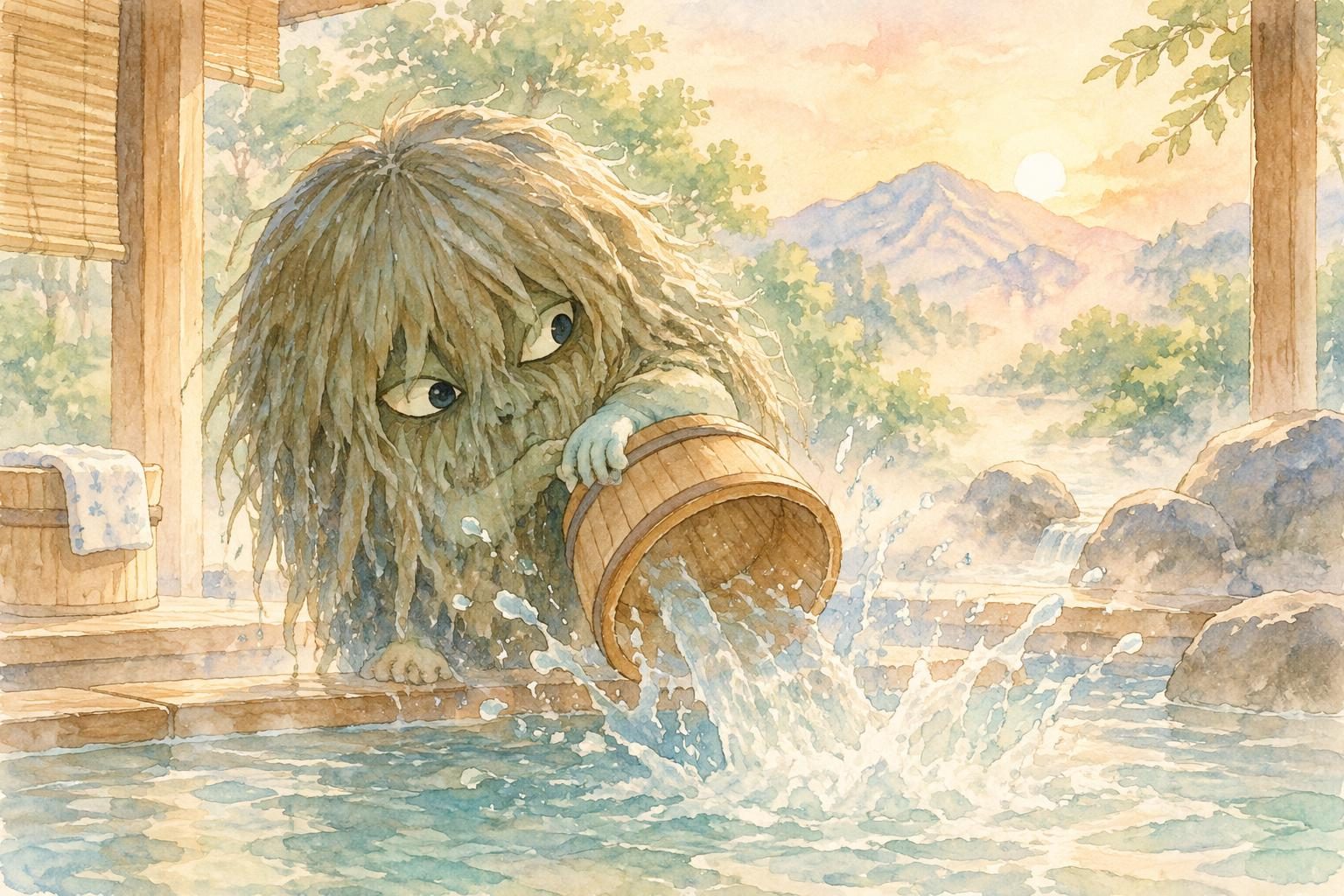
    By engaging with these stories, visitors and locals alike are reminded of the rich history and cultural depth that define the region. The legends of yokai like Shidaidaka serve as a bridge between past and present, allowing the traditions of yesteryear to inform and enrich contemporary life. As travelers wander the roads of Gōtsu, they are invited to become part of this enduring narrative, experiencing the magic and mystery that have captivated generations.

    Locator map of Japan: Gōtsu, Shimane
    Legend site: Gōtsu, Shimane — Source: Map of Japan with highlight on 32 Shimane prefecture.svg; Map: Lincun, CC BY-SA 3.0, via Wikimedia Commons

    Sources

    About the author

    JAPAN ESSENCE Editorial Team
    Our mission is to bring you Japan’s legends, myths, festivals and living traditions, through both historical fact and the stories passed down over generations.

  • Hibagon: Exploring Hiroshima’s Legendary Mount Hiba Bigfoot

    Hibagon: Exploring Hiroshima’s Legendary Mount Hiba Bigfoot

    In the serene landscapes of Shōbara, Hiroshima Prefecture, a mysterious legend has captivated locals and visitors alike: the tale of the Hibagon, a cryptid resembling the famed Bigfoot of North America. This elusive creature is said to roam the dense forests of Mount Hiba, sparking intrigue and speculation since the early 1970s.

    Hibagon in lush Mount Hiba landscape, Japanese ukiyo-e style.
    AI生成イメージ / AI-generated illustration (not a photograph of the actual place)

    What Is the Hibagon Legend?

    LEGEND: Origins of the Hibagon

    According to local tradition, the Hibagon legend began with reported sightings of a mysterious, ape-like creature in the area surrounding Mount Hiba, particularly in the former town of Nishijō, now part of Shōbara City. The first sighting occurred in July 1970, when a creature described as gorilla-like and standing approximately 1.6 meters tall was spotted in the foothills of Mount Hiba. This creature was soon dubbed the ‘Hibagon’.

    The sightings quickly became a topic of conversation among the residents of Shōbara. The description of the creature, with its dark fur and primate-like features, fueled the imaginations of those who lived in the area. The dense forests and remote terrain of Mount Hiba seemed to provide the perfect backdrop for such an enigmatic figure to exist, hidden from the prying eyes of the modern world.

    LEGEND: The Initial Encounter

    The initial encounter with the Hibagon, as recounted by witnesses, took place on July 20, 1970. This sighting in the Nishijō area of Shōbara sparked a wave of interest and subsequent sightings. The creature’s appearance—a bipedal, ape-like figure with dark fur—captured the imagination of the local populace and beyond. The dense forests and remote terrain of Mount Hiba provided an ideal setting for such a mysterious entity to remain elusive.

    As word spread, more people claimed to have seen the Hibagon, each adding their own details to the growing legend. The creature’s ability to remain unseen despite numerous search efforts only added to its mystique. This initial encounter set the stage for a series of sightings that would continue throughout the decade, each one adding to the lore of the Hibagon.

    The First Sightings Around Mount Hiba in 1970

    FACT: Documented Sightings

    The initial sighting of the Hibagon was documented on July 20, 1970, in the Nishijō area of Shōbara. Witnesses described an ape-like, bipedal creature, sparking a series of reported encounters that year. These sightings were concentrated around the forested foothills and rural roads of Mount Hiba, an area known for its dense woodland and remote terrain.

    The reports from this period describe a creature that moved with surprising agility through the rugged landscape, often vanishing into the dense underbrush before observers could get a closer look. This elusive behavior only heightened the sense of mystery and wonder surrounding the Hibagon, as locals and visitors alike speculated about its origins and purpose.

    FACT: The Spread of Sightings

    Following the initial sighting, reports of the Hibagon continued to emerge throughout the 1970s. These accounts consistently described a creature with a gorilla-like appearance, leading to a flurry of media attention and public fascination. The sightings were not limited to a single location but were spread across various parts of the Mount Hiba region, further fueling the legend.

    As the decade progressed, the Hibagon became a cultural phenomenon, with sightings reported in newspapers and discussed on local radio. The creature’s mysterious nature and the consistency of the descriptions provided by witnesses lent an air of credibility to the legend, drawing in cryptid enthusiasts and curious onlookers from across Japan.

    比婆山 - Mount Hiba (Shimane)
    “比婆山” (Mount Hiba (Shimane)) by Kamishirowk, CC BY-SA 3.0, source, via Wikimedia Commons

    Physical Description and Characteristics of Hibagon

    LEGEND: Descriptions from Witnesses

    Witnesses have described the Hibagon as a creature with a gorilla-like appearance, standing about 1.6 meters tall, with dark fur and a face resembling that of a primate. Its bipedal nature and elusive behavior have drawn comparisons to the North American Bigfoot, adding to its mystique and the allure of the legend.

    The creature’s eyes were often described as piercing and intelligent, giving the impression of a being that was more than just an animal. This detail, along with its human-like gait, contributed to the belief that the Hibagon was a unique entity, possibly even a relic from a bygone era.

    LEGEND: The Elusive Nature

    The Hibagon’s elusive nature has been a significant factor in the enduring mystery. Despite numerous sightings, the creature has never been captured or definitively proven to exist, much like its North American counterpart, Bigfoot. This elusiveness has only added to the creature’s legend, making it a subject of intrigue and speculation for cryptid enthusiasts and skeptics alike.

    Efforts to track and document the Hibagon have been met with limited success, as the creature seems to possess an uncanny ability to avoid detection. This has led some to speculate about its possible supernatural abilities, while others remain convinced that it is simply an undiscovered species of primate.
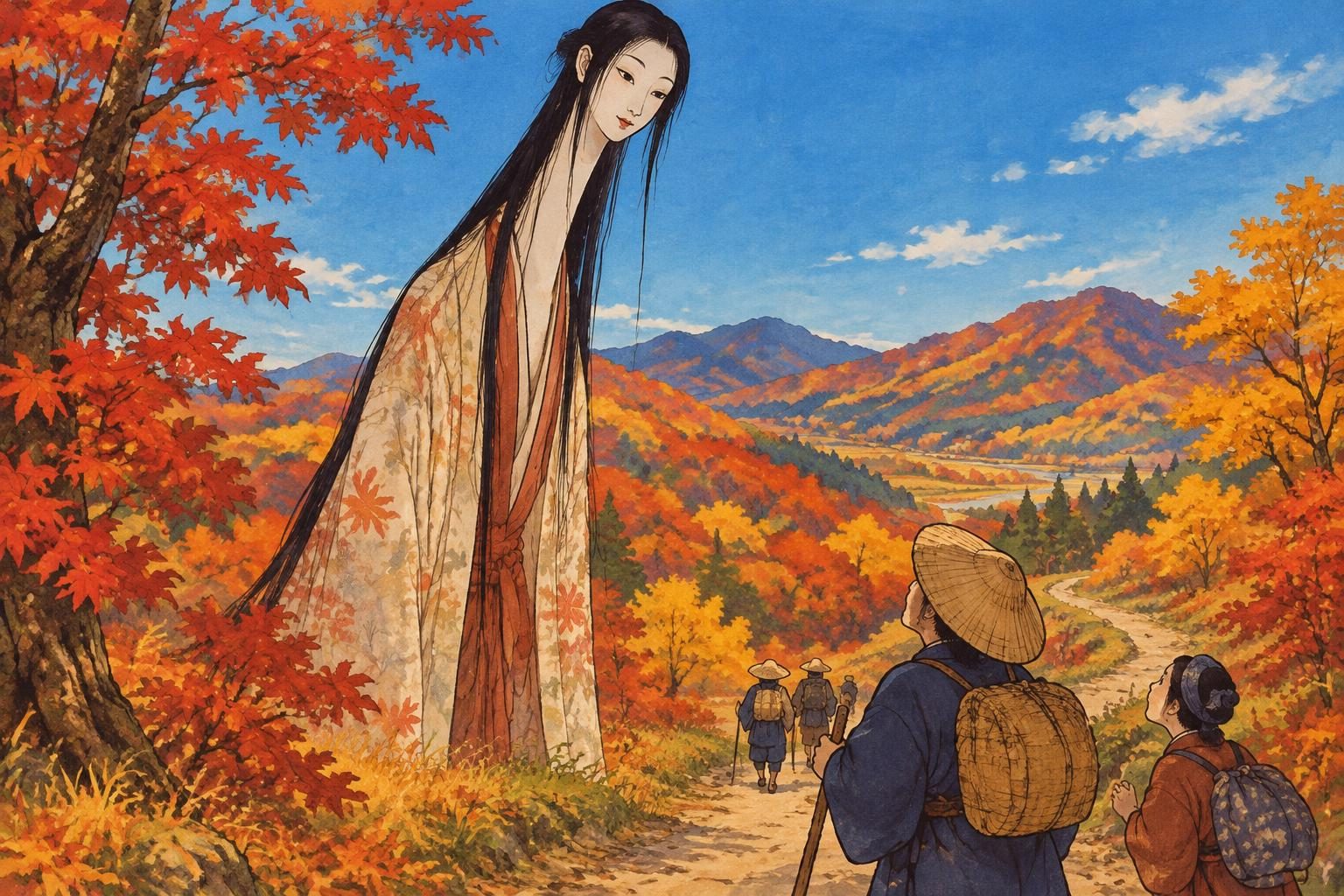
    The Geography of Mount Hiba and Shobara

    FACT: The Setting of the Hibagon Legend

    Mount Hiba, located in Shōbara, Hiroshima Prefecture, provides the perfect backdrop for the Hibagon legend. The area is characterized by its lush forests, rugged terrain, and secluded atmosphere, which contribute to the mystery surrounding the creature. The former town of Nishijō, now part of Shōbara, is nestled in these foothills, offering a glimpse into the natural beauty and isolation that define the region.

    The landscape itself is a key component of the Hibagon’s story, with its dense vegetation and challenging topography providing an ideal habitat for a creature seeking to remain hidden. Visitors to the area can experience this unique environment firsthand, gaining a deeper appreciation for the legend and the land that sustains it.

    FACT: The Landscape’s Role

    The landscape of Mount Hiba plays a crucial role in the Hibagon legend. The dense forests and mountainous terrain create an environment where a creature like the Hibagon could conceivably exist undetected. This setting not only enhances the mystery but also provides a tangible connection to the natural world for those who seek to explore the legend further.

    For those interested in cryptozoology or simply curious about the unknown, the Mount Hiba region offers a unique opportunity to delve into the mysteries of the Hibagon. The area’s natural beauty and rich folklore make it a compelling destination for anyone drawn to the enigmatic and unexplained.

    中山峠(広島県庄原市) - Shobara, Hiroshima
    “中山峠(広島県庄原市)” (Shobara, Hiroshima) by Hidaka-Nyo, CC0, source, via Wikimedia Commons

    Japan’s Cryptid Culture: Comparing Hibagon to Bigfoot

    FACT: Cryptid Comparisons

    The Hibagon is often compared to Bigfoot, a legendary creature said to inhabit the forests of North America. Both cryptids share similar characteristics, including their ape-like appearance, elusive nature, and the mystery surrounding their existence. These comparisons highlight the universal fascination with cryptids and the cultural significance they hold across different regions.

    In both cases, the creatures have become symbols of the unknown, representing the mysteries that still exist in the natural world. The Hibagon, like Bigfoot, serves as a reminder of the vastness of nature and the potential for undiscovered wonders lurking just beyond our reach.

    FACT: Cultural Impact

    The Hibagon, like Bigfoot, has become a part of local folklore and cultural identity. It represents the unknown and the unexplained, captivating the imagination of those who hear its tale. This cultural impact is evident in the continued interest and storytelling surrounding the Hibagon, making it a lasting symbol of mystery and wonder in the region.

    Local festivals and events sometimes celebrate the Hibagon, further embedding the creature into the cultural fabric of Shōbara. These celebrations not only honor the legend but also serve as a way for the community to come together and share in the mystery and excitement that the Hibagon represents.

    Nearby Guide

    Nearby sights

    • Kumano Shrine (Shōbara) — An ancient shrine dedicated to Izanami no Mikoto, featuring over 100 large cedar trees, some over a thousand years old, designated as natural monuments by Hiroshima Prefecture. details
    Locator map of Japan: Shōbara, Hiroshima
    Legend site: Shōbara, Hiroshima — Source: Map of Japan with highlight on 34 Hiroshima prefecture.svg; Map: Lincun, CC BY-SA 3.0, via Wikimedia Commons

    Sources

    About the author

    JAPAN ESSENCE Editorial Team
    Our mission is to bring you Japan’s legends, myths, festivals and living traditions, through both historical fact and the stories passed down over generations.