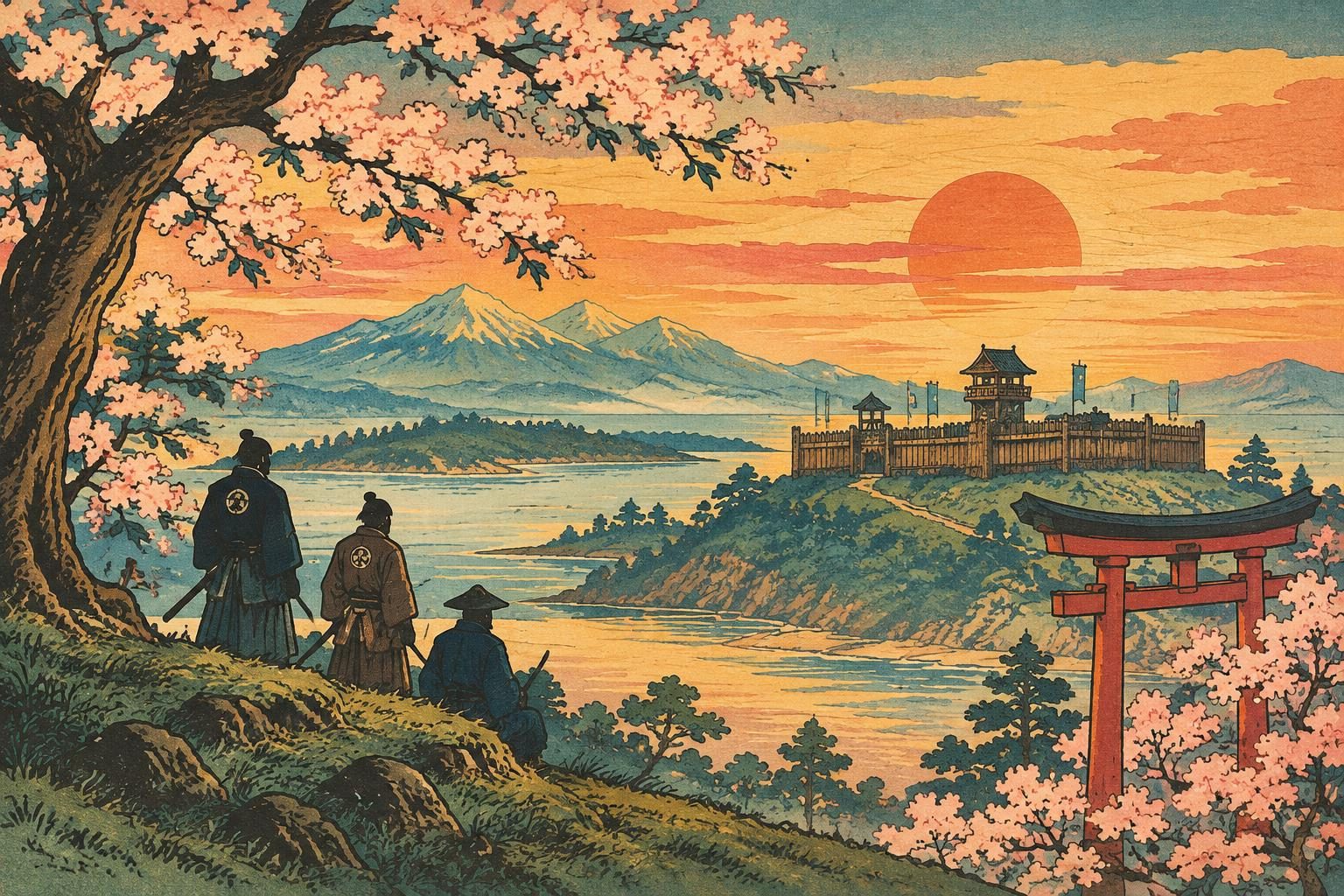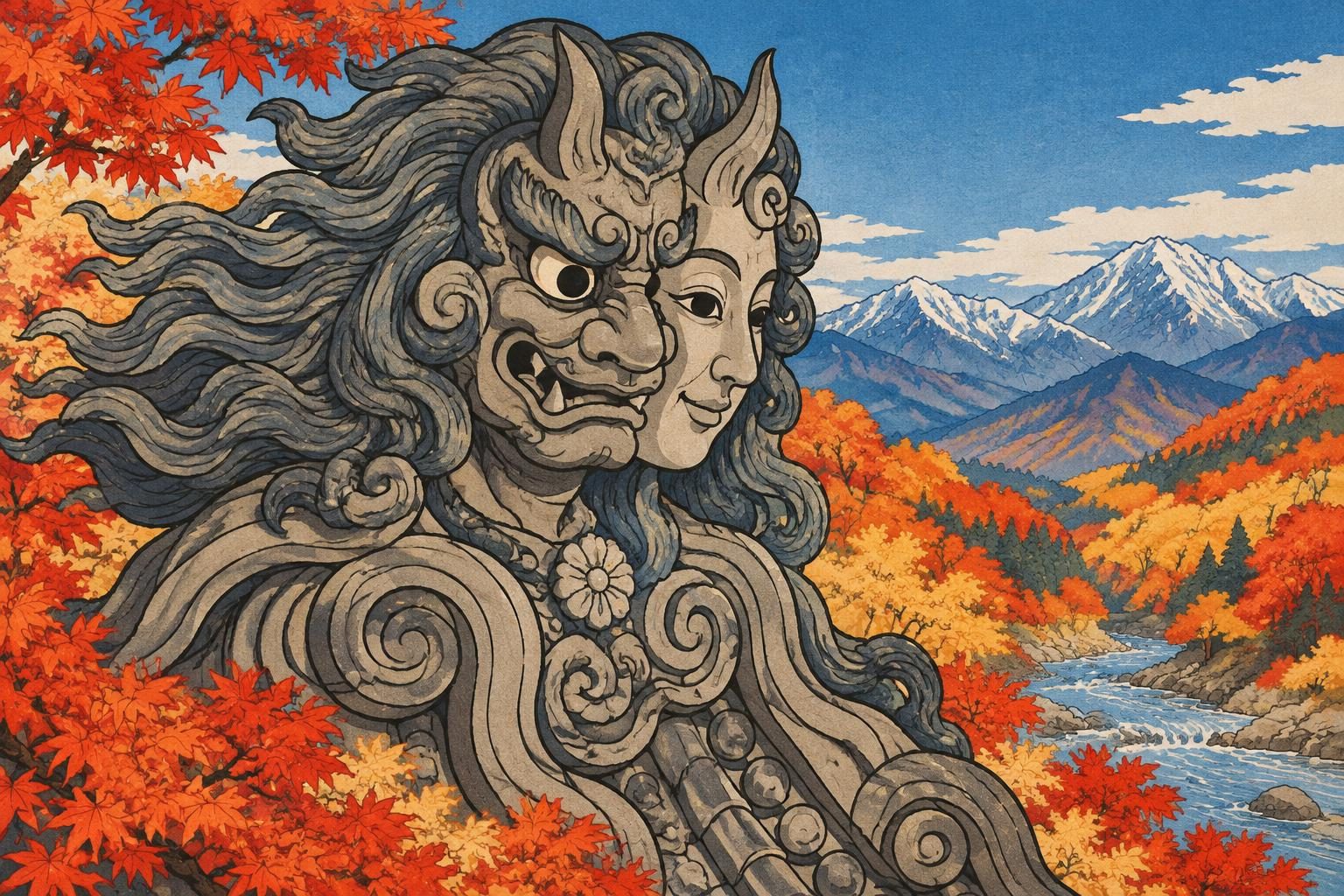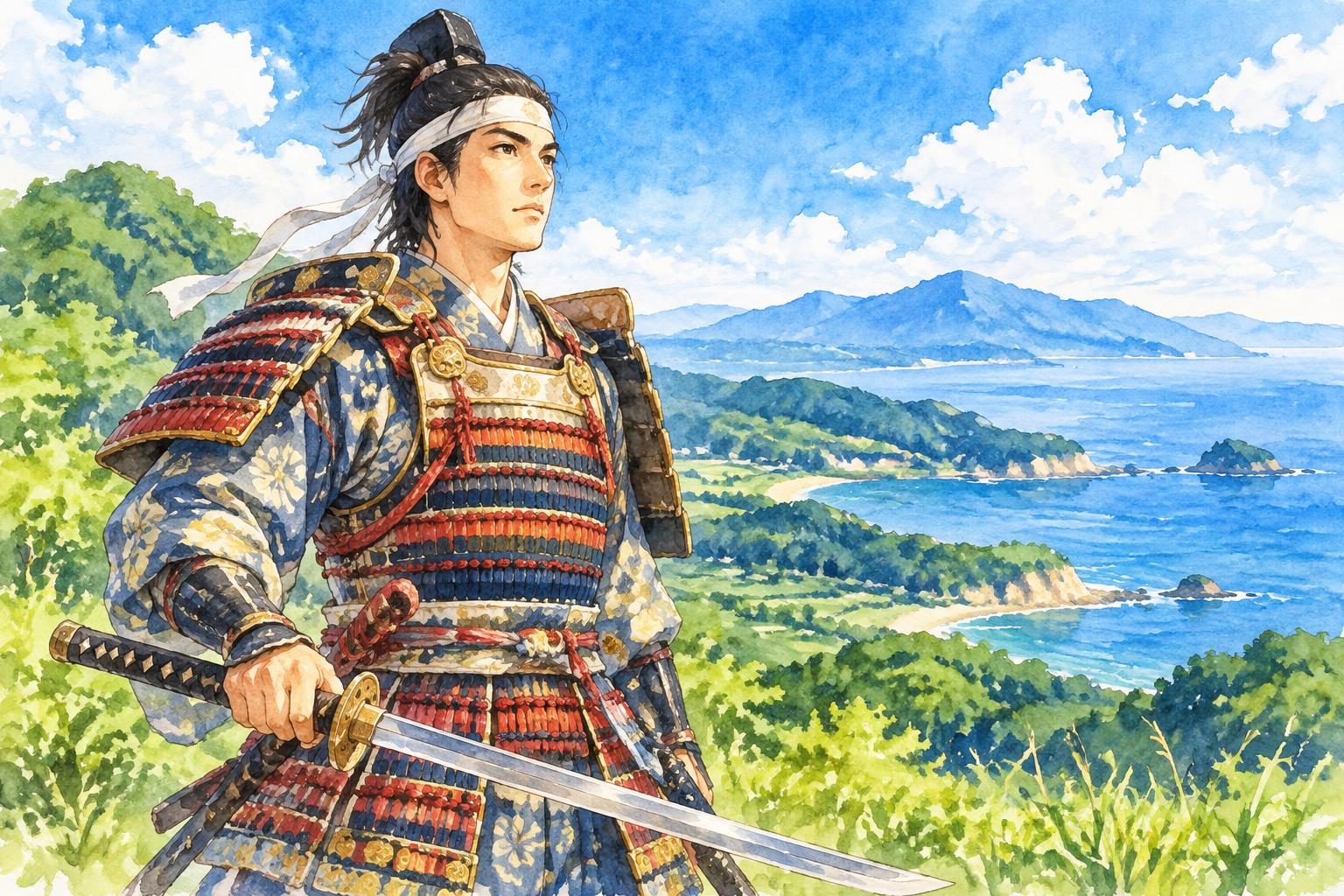
Author: 禅門道.

  • Ubagabi: The Legend of Japan’s Oil-Stealing Ghost-Fire

    Ubagabi: The Legend of Japan’s Oil-Stealing Ghost-Fire

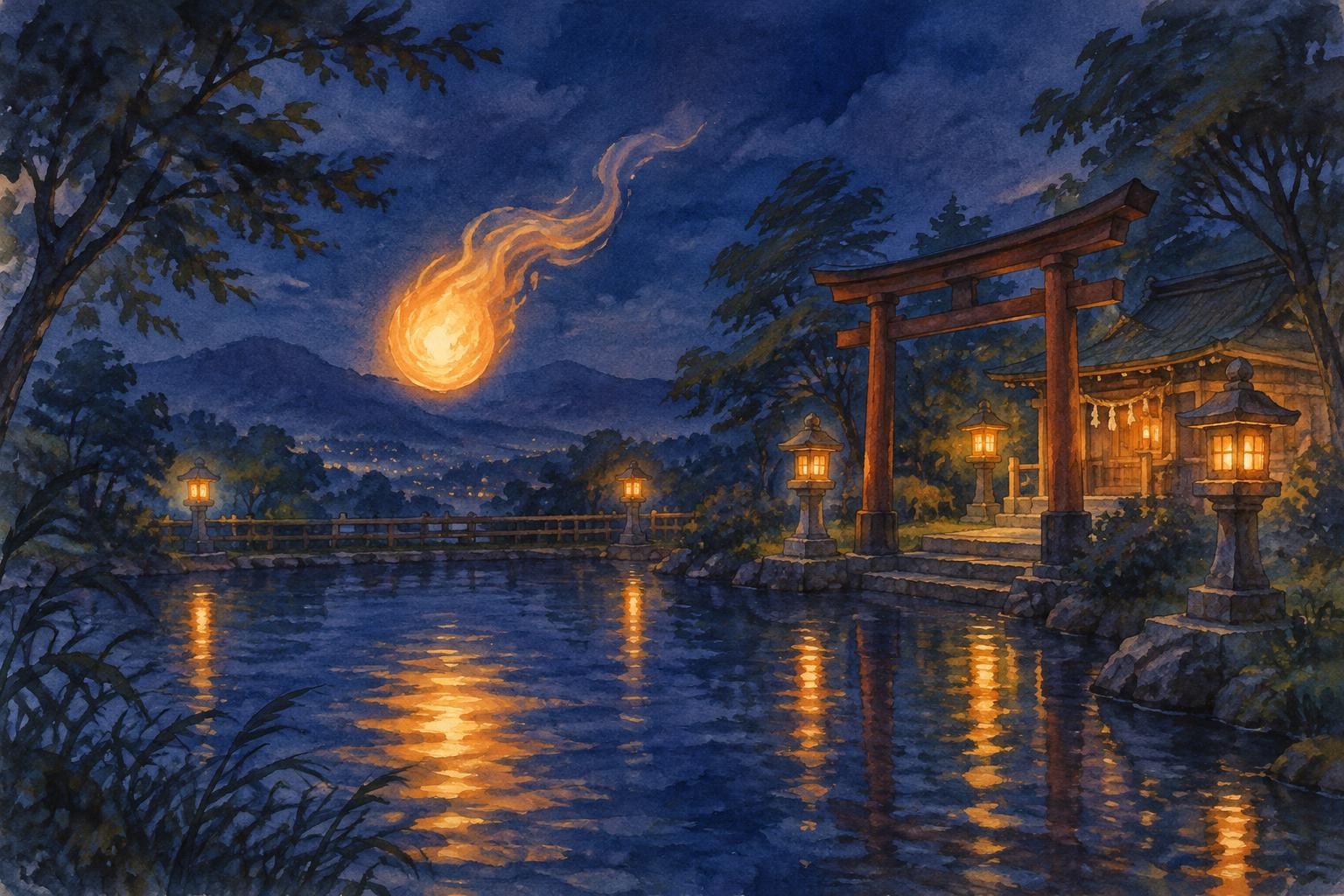
    In the heart of Higashiōsaka, Osaka Prefecture, lies a tale that has intrigued locals and visitors alike: the legend of Ubagabi, a mysterious ghost-fire said to haunt the area around Hiraoka Shrine. This spectral phenomenon is steeped in Japanese folklore, blending history with the supernatural.

    Ubagabi ghostly fireball near Hiraoka Shrine on a lantern-lit indigo night.
    AI生成イメージ / AI-generated illustration (not a photograph of the actual place)

    What Is Ubagabi? The Legend of Japan’s Floating Ghost-Fire

    LEGEND: The Story of Ubagabi

    According to local tradition, Ubagabi is a ghostly fireball that appears near Hiraoka Shrine in Higashiōsaka. The legend tells of an old woman who, after being caught stealing oil from the shrine, drowned herself in a nearby pond. This pond, known as Ubagaike or “Old Woman’s Pond,” is said to be the origin of the ghost-fire. The spectral flames are believed to be the restless spirit of the woman, forever roaming the area.

    The story of Ubagabi captures the imagination with its haunting imagery and tragic backstory. The old woman’s despair and subsequent transformation into a ghost-fire serve as a cautionary tale about the consequences of transgression and the enduring nature of guilt. This narrative element highlights the moral undertones often present in Japanese folklore, where supernatural occurrences are frequently linked to human actions and emotions.

    LEGEND: Variations of the Tale

    While the core story of Ubagabi involves the tragic end of the old woman, variations of the tale exist. Some versions suggest that the woman’s spirit, in the form of the ghost-fire, seeks redemption or forgiveness for her actions. Others imply that the fire serves as a warning to those who might disrespect the sacred grounds of the shrine. These variations add layers to the legend, reflecting the rich tapestry of oral storytelling in Japanese culture.

    These different versions of the Ubagabi legend illustrate the fluid nature of folklore, where stories evolve over time and adapt to the cultural and social contexts of the communities that tell them. The variations also highlight the communal aspect of storytelling, where each retelling can introduce new elements or emphasize different moral lessons, ensuring the tale remains relevant and engaging for successive generations.

    The Origin Story: Theft at Hiraoka Shrine

    FACT: What the Records Say

    Hiraoka Shrine, located at the base of the Ikoma mountains in Higashiōsaka, has been a significant spiritual site for centuries. The shrine’s history is intertwined with the local folklore of Ubagabi. While the exact origins of the legend are not documented, the shrine’s proximity to Ubagaike lends credence to the tale’s local significance. The pond itself has been preserved as a cultural landmark, with the city of Higashiōsaka acknowledging its connection to the legend.

    The shrine’s enduring presence in the community underscores its role as a custodian of local history and tradition. Visitors to Hiraoka Shrine can not only appreciate its spiritual significance but also engage with the cultural narratives that have shaped the region’s identity. The shrine and its surrounding landscape offer a unique opportunity to explore the intersection of history, legend, and spirituality.

    FACT: The Cultural Importance of Ubagaike

    Ubagaike, the “Old Woman’s Pond,” is more than just a backdrop to the Ubagabi legend. It serves as a tangible link to the past, a place where history and myth converge. The pond’s restoration in 2011, led by the citizens’ group Hiraoka no Mori o Mamoru Kai with support from city grants and other funding, underscores its importance as a cultural and historical site, ensuring that the legend of Ubagabi continues to be a living part of the community’s heritage.

    The preservation efforts highlight the community’s commitment to maintaining its cultural landmarks and the stories associated with them. The 2011 restoration of Ubagaike not only honored the area’s past but also provided a space for reflection and storytelling, where visitors could connect with the legends that have shaped the region’s identity.

    Hiraoka Shrine honden - Taken with Canon PowerShot S2 IS, Honden, Hiraoka-jinja
    “Hiraoka Shrine honden” (Taken with Canon PowerShot S2 IS, Honden, Hiraoka-jinja) by nnh, Public domain, source, via Wikimedia Commons

    Encounters and Terrifying Tales from Edo-Period Lore

    LEGEND: Ghostly Sightings and Stories

    During the Edo period, tales of Ubagabi were popular among the local populace. These stories often described encounters with the ghost-fire, which was said to float ominously above the pond or along the shrine grounds. Such tales contributed to the mystique of the area, drawing curious onlookers and believers in the supernatural.

    The ghostly sightings of Ubagabi during the Edo period reflect the era’s fascination with yōkai and supernatural phenomena. These stories served as both entertainment and moral instruction, cautioning listeners about the dangers of disrespecting sacred spaces and the potential consequences of one’s actions. The enduring popularity of these tales highlights their role in shaping the cultural and spiritual landscape of the region.

    LEGEND: The Impact on Local Culture

    The stories of Ubagabi have left a lasting impact on Higashiōsaka’s cultural landscape. They have inspired not only fear and curiosity but also a sense of reverence for the spiritual and the unexplained. The legend serves as a reminder of the deep connection between the natural world and the supernatural in Japanese folklore.

    This connection between the natural and supernatural is a recurring theme in Japanese culture, where landscapes are often imbued with spiritual significance. The legend of Ubagabi exemplifies this relationship, where the physical environment of Hiraoka Shrine and Ubagaike becomes a stage for the supernatural, inviting both locals and visitors to explore the mysteries of the unseen world.

    Toriyama Sekien and the Visual Depiction of Ubagabi

    FACT: Artistic Representations

    Ubagabi has also found its place in Japanese art, notably in the works of Toriyama Sekien, a famous Edo-period artist known for his depictions of yōkai, or supernatural creatures. Sekien’s illustrations helped popularize the image of Ubagabi as a fiery apparition, cementing its place in Japanese ghost lore.

    Sekien’s artistic contributions are significant in that they not only preserved the image of Ubagabi but also contributed to the broader cultural appreciation of yōkai. His works provided a visual language through which the supernatural could be explored and understood, influencing both contemporary and future representations of ghostly phenomena.

    FACT: The Influence of Yōkai Art

    Sekien’s work not only popularized Ubagabi but also contributed to the broader appreciation of yōkai in Japanese culture. His artistic interpretations of supernatural beings have influenced generations of artists and storytellers, keeping the tradition of yōkai alive in modern Japan.

    The enduring appeal of yōkai art is evident in its continued presence in contemporary media, from literature to film and animation. Sekien’s influence can be seen in the way modern Japanese culture continues to engage with themes of the supernatural, blending traditional folklore with new artistic expressions to captivate audiences worldwide.

    Hiraoka Shrine - Taken with Canon PowerShot S2 IS, Haiden, Hiraoka-jinja
    “Hiraoka Shrine” (Taken with Canon PowerShot S2 IS, Haiden, Hiraoka-jinja) by nnh, Public domain, source, via Wikimedia Commons

    Tracing the Legend: Hiraoka Shrine and Ubagaike Pond Today

    FACT: Visiting the Shrine and Pond

    Today, visitors to Hiraoka Shrine can explore the grounds and the nearby Ubagaike Pond, both of which are integral to the Ubagabi legend. The pond was restored in 2011 through an effort led by the citizens’ group Hiraoka no Mori o Mamoru Kai, using the city’s community-development grants and other funding. The shrine itself is a serene location, offering a glimpse into the spiritual traditions of the region.

    Exploring Hiraoka Shrine and Ubagaike allows visitors to immerse themselves in the local folklore and experience the tranquil beauty of the area. The serene atmosphere of the shrine and the pond provides a perfect setting for reflection and appreciation of the cultural narratives that have shaped Higashiōsaka’s identity.

    FACT: Experiencing the Local Atmosphere

    The area around Hiraoka Shrine is imbued with a sense of tranquility and mystery, inviting visitors to reflect on the legends and history that have shaped it. Walking through the shrine grounds and around Ubagaike, one can almost feel the presence of the past, a testament to the enduring power of folklore.

    The mystical ambiance of the area is enhanced by the natural beauty of the Ikoma mountains, providing a picturesque backdrop to the spiritual and cultural exploration of the region. Visitors are encouraged to take their time and absorb the unique atmosphere, allowing the stories of Ubagabi and the history of Hiraoka Shrine to unfold around them.

    Visiting Higashiosaka to Explore Local Japanese Folklore

    FACT: How to Visit

    Hiraoka Shrine is easily accessible from Hiraoka Station on the Kintetsu Nara Line, making it a convenient destination for those interested in Japanese folklore and history. Visitors are encouraged to check the official website for current hours, fees, and access details.

    Nearby Guide

    Access

    • Hiraoka Station (Higashiōsaka) — Immediately next to Hiraoka Station on the Kintetsu Nara Line. official site

    Nearby sights

    • Hiraoka Park (Higashiōsaka) — A 43.4-hectare urban park known for seasonal scenery such as plum blossoms, cherry blossoms, and autumn foliage. Features hiking routes leading toward Mt. Ikoma and a playground area ‘Mori no Omochabako.’ official site
    • Ishikiri Tsurugiya Shrine (Higashiōsaka) — A shrine said to date back about 2,700 years, affectionately called ‘Ishikiri-san’ and visited by people praying for healing. Features the ‘ohyaku-do-mairi’ ritual, where visitors walk back and forth between two stones and the main hall. details

    Where to eat

    • Niku No Moritaya Nukada (Higashiōsaka) — A Japanese-style tavern (Izakaya) known for its delicious meat dishes and cozy atmosphere, located approximately 0.4 miles from Hiraoka Shrine. details
    • Koma Sushi (Higashiōsaka) — A seafood restaurant offering fresh sushi and sashimi in a traditional setting, located approximately 0.4 miles from Hiraoka Shrine. details
    Locator map of Japan: Higashiōsaka, Osaka
    Legend site: Higashiōsaka, Osaka — Source: Map of Japan with highlight on 27 Osaka prefecture.svg; Map: Lincun, CC BY-SA 3.0, via Wikimedia Commons

    Sources

    About the author

    JAPAN ESSENCE Editorial Team
    Our mission is to bring you Japan’s legends, myths, festivals and living traditions, through both historical fact and the stories passed down over generations.

  • Lake Shikaribetsu Kotan: Visiting Hokkaido’s Unique Frozen Ice Village

    Lake Shikaribetsu Kotan: Visiting Hokkaido’s Unique Frozen Ice Village

    In the heart of Hokkaido, Lake Shikaribetsu transforms into a winter wonderland known as the Lake Shikaribetsu Kotan, a unique seasonal ice village that draws visitors from around the world. Situated in Shikaoi, Hokkaido Prefecture, this enchanting locale offers a rare blend of natural beauty and innovative ice architecture.

    Ukiyo-e style winter scene with igloos and a hot spring on frozen Lake Shikaribetsu under a sunrise sky.
    AI生成イメージ / AI-generated illustration (not a photograph of the actual place)

    What Is Lake Shikaribetsu Kotan?

    FACT: The Highest Natural Lake in Hokkaido

    Lake Shikaribetsu, located in Shikaoi, Hokkaido, is renowned as the highest-altitude natural lake in Hokkaido, sitting at approximately 804–810 meters above sea level. Nestled within Daisetsuzan National Park, the lake is surrounded by a stunning landscape of volcanoes and calderas, making it a picturesque destination year-round. The lake’s unique ecosystem supports rare species such as the Ezo pika and Miyabe char, adding to its ecological significance. Visitors to the area can enjoy the serene beauty of the lake, which changes dramatically with the seasons, offering a different yet equally captivating experience in winter and summer.

    The altitude of Lake Shikaribetsu not only contributes to its breathtaking views but also plays a crucial role in the formation of the ice village. The cold temperatures at this elevation ensure that the lake’s surface remains frozen long enough to support the construction and maintenance of the ice structures. This natural setting provides a perfect backdrop for the Lake Shikaribetsu Kotan, enhancing the magical atmosphere of the ice village.

    The History and Creation of the Ice Village

    FACT: A Seasonal Marvel

    Every winter since 1980, the frozen surface of Lake Shikaribetsu becomes the foundation for the Lake Shikaribetsu Kotan. This temporary village is constructed entirely from ice and snow, featuring dome-shaped huts, an ice bar, and intricately carved ice sculptures. The event is a testament to the creativity and resilience of the local community, who rebuild the village each year from late January through late March. The construction of the village is a community effort, showcasing the dedication and craftsmanship of local artisans.

    The process of building the ice village involves the careful planning and execution of designs that maximize the aesthetic appeal and structural integrity of the ice and snow creations. Local artisans and volunteers work tirelessly to ensure that each structure is safe and visually stunning. This collaborative effort not only highlights the community spirit but also attracts visitors eager to witness the transformation of the frozen lake into a bustling village of ice.

    FACT: The Ice Village Experience

    Visitors to Lake Shikaribetsu Kotan can explore a variety of ice structures that captivate and delight. The igloos and lodges, crafted entirely from ice, offer a unique opportunity to stay overnight in an environment that is both beautiful and surreal. The ice bar, a central feature of the village, serves drinks in glasses carved from ice, providing a truly immersive experience in this frozen paradise. Each structure is meticulously designed and constructed, highlighting the skill and artistry involved in creating this ephemeral village.

    The experience of staying in an ice lodge or enjoying a drink at the ice bar is enhanced by the natural beauty surrounding the village. The clear, starry skies and the quiet, snow-covered landscape create an atmosphere of tranquility and wonder. Visitors often find themselves immersed in the unique ambiance, where the boundaries between nature and human creativity blur seamlessly.

    Sightseeing Boat "Isao", Lake Shikaribetsu - Jul 14, 2019 - Lake Shikaribetsu, Vehicles in Hokkaido
    “Sightseeing Boat "Isao", Lake Shikaribetsu – Jul 14, 2019” (Lake Shikaribetsu, Vehicles in Hokkaido) by Robert Thomson, CC BY-SA 2.0, source, via Wikimedia Commons

    The World’s Only Open-Air Hot Spring on Frozen Lake Ice

    FACT: A Singular Experience

    One of the most unique features of the Lake Shikaribetsu Kotan is its open-air hot spring, situated directly on the frozen lake. This rare experience allows visitors to soak in warm, mineral-rich waters while surrounded by the icy beauty of the lake and its surroundings. It’s an extraordinary way to enjoy the natural splendor of Hokkaido’s winter landscape. The juxtaposition of warm water and icy surroundings creates a magical atmosphere that is both relaxing and invigorating.

    The hot spring experience at Lake Shikaribetsu Kotan is unmatched, offering a blend of comfort and adventure. As the steam rises from the hot spring, it mingles with the cold winter air, creating a mystical mist that adds to the allure of the setting. This unique feature is a highlight for many visitors, providing a memorable and rejuvenating experience amidst the harsh winter conditions.

    Visiting Daisetsuzan National Park in Winter

    FACT: A Winter Wonderland

    Daisetsuzan National Park, encompassing Lake Shikaribetsu, is Hokkaido’s largest national park and offers a wealth of winter activities. From hiking and wildlife viewing to enjoying the serene beauty of snow-covered landscapes, the park is a haven for nature enthusiasts. The park’s diverse ecosystems support rare species such as the Ezo pika and Miyabe char, adding to its ecological significance. Visitors can explore the park’s numerous trails, which offer stunning views of the snow-covered mountains and forests.

    The winter season transforms Daisetsuzan National Park into a pristine wonderland, where the snow blankets the landscape, creating a serene and untouched environment. The park’s trails are ideal for snowshoeing and cross-country skiing, allowing visitors to immerse themselves in the natural beauty while enjoying outdoor activities. The opportunity to spot wildlife in their natural habitat adds an element of excitement and discovery to any visit.

    Lake Shikaribetsu - Lake Shikaribetsu
    “Lake Shikaribetsu” (Lake Shikaribetsu) by Route275, CC BY-SA 3.0, source, via Wikimedia Commons

    Practical Tips for Your Trip to Shikaoi

    FACT: How to Get There

    To reach Lake Shikaribetsu Kotan, visitors can drive on Route 85 towards Shikaoi Town. From Obihiro Station, it’s approximately a 1.5-hour drive, while from Obihiro Airport, it’s about a 2.5-hour journey. It’s important to note that the road between Nukabira and Lake Shikaribetsu is closed during the winter, so plan your route accordingly. Visitors should check the official website for current hours, fees, and access information to ensure a smooth and enjoyable trip.

    Traveling to Lake Shikaribetsu Kotan requires some preparation, especially during the winter months when road conditions can be challenging. Ensuring that your vehicle is equipped for winter driving and checking weather forecasts can help make the journey safer and more pleasant. Additionally, planning your visit to coincide with the opening dates of the ice village will ensure that you experience the full range of activities and attractions available.

    Nearby Guide

    Access

    • By Car (Shikaoi) — Drive on Route 85 towards Shikaoi Town. From Obihiro Station, it’s approximately a 1.5-hour drive (60 km). From Obihiro Airport, it’s about a 2.5-hour drive (90 km). Please note that the road between Nukabira and Lake Shikaribetsu is closed during the winter. official site

    Nearby sights

    • Lake Shikaribetsu (Shikaoi) — Hokkaido’s highest-altitude lake at approximately 810 meters, surrounded by volcanoes and calderas. The lake’s unique ecosystem supports rare animals such as the Ezo pika and Miyabe char—a species of trout. Seasonal activities include canoeing and hiking, while each winter, the Shikaribetsuko Kotan official site
    • Shikaribetsuko Kotan (Shikaoi) — A seasonal ice village constructed each year on the frozen surface of Lake Shikaribetsu. Built anew every winter from late January through late March, it features dome-shaped snow and ice huts, an ice bar, ice sculptures, and outdoor hot spring baths positioned on the frozen lake shore. details
    • Daisetsuzan National Park (Shikaoi) — A vast national park encompassing diverse landscapes, including mountains, forests, and hot springs. The park offers numerous hiking trails, wildlife viewing opportunities, and scenic vistas. official site

    Where to stay

    • Shikaribetsu Kanno Onsen (Shikaoi) — A historic hot spring with over 100 years of tradition, offering multiple naturally flowing hot spring sources, each with unique healing properties. Known for its therapeutic waters, it’s a popular spot for relaxation. official site
    • Northern Shore Campground (Shikaoi) — A forested campground beside Lake Shikaribetsu, offering easy access to the lake and surrounding nature. The campground is open from July 1 to September 30. official site

    Where to eat

    • Shikaribetsu Kanno Onsen Dining (Shikaoi) — Serves a variety of traditional Japanese dishes using locally sourced ingredients. The onsen’s long history adds to the authentic dining experience. official site
    • Lake Shikaribetsu Nature Center Café (Shikaoi) — Located on the lake’s southern shore, this café offers light meals and beverages with scenic views of the lake. It’s a great spot to relax after a nature walk or canoeing session. official site
    Locator map of Japan: Shikaoi, Hokkaido
    Legend site: Shikaoi, Hokkaido — Source: Map of Japan with highlight on 01 Hokkaido prefecture.svg; Map: Lincun, CC BY-SA 3.0, via Wikimedia Commons

    Sources

    About the author

    JAPAN ESSENCE Editorial Team
    Our mission is to bring you Japan’s legends, myths, festivals and living traditions, through both historical fact and the stories passed down over generations.

  • The Republic of Ezo: Exploring Hokkaido’s Short-Lived Samurai State in Hakodate

    The Republic of Ezo: Exploring Hokkaido’s Short-Lived Samurai State in Hakodate

    In Hakodate, Hokkaido Prefecture, the Republic of Ezo stands as a fascinating chapter in Japan’s history, marking the last stand of the samurai against the Meiji Restoration. This short-lived state offers a glimpse into a turbulent era of transition and conflict.

    This print depicts the June 1869 surrender of the Ezo rebels at Goryōkaku, the "star fort" in Hakodate in southern Hokkaidō.
    “Surrender of Goryokaku (by the Ezo rebels) by Hayakawa Shozan 1877” by Hayakawa Shōzan (1850-1892), (Signature: 松月保誠 Shōgetsu Yasusei), Public domain, via Wikimedia Commons

    What Was the Republic of Ezo?

    FACT: Establishment and Duration

    The Republic of Ezo was established on January 27, 1869, by former Tokugawa military forces who fled to Hakodate following their defeat in the Boshin War. This separatist state existed until June 27, 1869, when it was annexed by the Meiji government. During its brief existence, the Republic of Ezo was the first attempt at a democratic government in Japan, albeit with limited recognition and success. The republic was modeled after the United States, with a president and a senate, reflecting the influence of Western political ideas during this period of modernization.

    FACT: The Political Context

    The establishment of the Republic of Ezo was a direct response to the political upheaval following the Boshin War, a civil war in Japan that pitted the ruling Tokugawa shogunate against those seeking to restore imperial rule under Emperor Meiji. The defeat of the Tokugawa forces led many loyalists to retreat to Hokkaido, where they sought to create a stronghold against the advancing Imperial forces. The Republic of Ezo represented a last-ditch effort by these samurai to maintain their way of life and resist the sweeping changes of the Meiji Restoration.

    Ukiyo-e-inspired scene of the Republic of Ezo with samurai silhouettes and traditional landscape.
    AI生成イメージ / AI-generated illustration (not a photograph of the actual place)

    Goryokaku: The Star Fortress Capital

    FACT: A Historic Military Base

    Goryokaku, completed in 1864, served as the military and political base of the Republic of Ezo. This star-shaped fortification was originally built as the Hakodate Magistrate’s Office fortress under the Tokugawa shogunate. Its unique star shape, inspired by Western fort designs, was intended to provide a strategic advantage in defense. Today, Goryokaku is a Special Historic Site and public park, offering visitors a chance to explore its unique architecture and historical significance.

    FACT: Current Role and Visitor Experience

    Today, Goryokaku is not only a symbol of the Republic of Ezo’s brief existence but also a beloved public park. Visitors can walk along the fort’s walls, which provide panoramic views of the surrounding area, especially beautiful during cherry blossom season. The park is a popular destination for both history enthusiasts and those seeking scenic beauty. The Goryokaku Tower, adjacent to the park, offers an elevated perspective of the star-shaped layout, enhancing the visitor experience.

    A girl playing a slide in Goryokaku Park, Misaki, Japan; August 2009 - Hakodate, Hokkaido
    “A girl playing a slide in Goryokaku Park, Misaki, Japan; August 2009” (Hakodate, Hokkaido) by Duke Yuin from Yamanashi, Japan, CC BY 2.0, source, via Wikimedia Commons

    Hijikata Toshizo and the Last Stand of the Shogunate

    FACT: The Role of Hijikata Toshizo

    Hijikata Toshizo, the vice-commander of the Shinsengumi, played a crucial role in the Republic of Ezo as the army commissioner. He is remembered for his valor and leadership during the final battles against the Imperial forces. Tragically, Hijikata was killed in action near the Ippongi Gate in Hakodate on June 20, 1869, just days before the Republic’s surrender. His death marked the end of significant resistance by the samurai loyalists and is commemorated in Hakodate as a symbol of bravery and dedication.

    FACT: Legacy and Commemoration

    Hijikata’s legacy lives on in Hakodate, where his story is told in local museums and historical sites. His leadership and commitment to the samurai cause are celebrated in annual events and exhibitions that highlight the cultural and historical impact of the Republic of Ezo. Visitors to Hakodate can learn more about Hijikata’s life and the Shinsengumi’s role in Japanese history through these dedicated displays.

    The Fall of the Republic and Enomoto Takeaki’s Surrender

    FACT: The End of Ezo

    The Republic of Ezo came to an end when Enomoto Takeaki, its leader, surrendered Goryokaku to the Imperial forces on June 27, 1869. This marked the conclusion of the last samurai resistance against the Meiji Restoration, paving the way for the modernization of Japan under imperial rule. Enomoto’s surrender was a significant moment in Japanese history, symbolizing the definitive transition from the feudal era to a modern state.

    FACT: Enomoto’s Later Life

    After the surrender, Enomoto Takeaki was initially imprisoned but later pardoned by the Meiji government. He went on to have a successful career as a politician and diplomat, serving in various capacities within the new government. Enomoto’s ability to adapt and thrive in the changing political landscape is often highlighted as a testament to his leadership and vision.

    Goryokaku Park - panoramio - Entire views of Goryokaku from Goryokaku Tower
    “Goryokaku Park – panoramio” (Entire views of Goryokaku from Goryokaku Tower) by Feri88, CC BY 3.0, source, via Wikimedia Commons

    Exploring Goryokaku and Ezo History in Hakodate Today

    Visitors to Hakodate can delve into the history of the Republic of Ezo by exploring Goryokaku Park. The park’s layout and remaining structures offer a tangible connection to the past, while Goryokaku Tower provides panoramic views of the area. The park is particularly popular during the cherry blossom season, when the trees lining the fort’s walls burst into bloom, creating a picturesque setting for hanami (flower viewing) and picnics.

    For those interested in a deeper understanding of the Republic of Ezo, local museums and historical sites offer exhibits and information about the period. These include displays on the Boshin War, the role of the Shinsengumi, and the broader context of Japan’s transition from a feudal society to a modern nation-state.

    Nearby Guide

    Access

    • Hakodate Station (Hakodate) — From Hakodate Station, take a Hakodate City Tram to the ‘Goryokaku-koen-mae’ tram stop, then walk approximately 13 minutes to Goryōkaku Park. Alternatively, take a Hakodate Bus to the ‘Goryokaku’ stop and walk about 10 minutes to the park. official site

    Nearby sights

    • Goryōkaku Tower (Hakodate) — Goryōkaku Tower offers panoramic views of the star-shaped fort and the surrounding city. The tower stands 107 meters tall, with observation decks at 86 and 90 meters. It’s a great spot to appreciate the unique architecture of Goryōkaku Park. official site
    • Hakodate Magistrate’s Office (Hakodate) — The reconstructed Hakodate Magistrate’s Office, completed in 2010, provides insights into the late Edo period architecture and history. It was the administrative center during the Tokugawa shogunate’s brief rule over Hokkaido. details

    Where to eat

    • Goryōkaku Park Cherry Blossoms (Hakodate) — During cherry blossom season, Goryōkaku Park becomes a popular spot for hanami (flower viewing). Visitors can enjoy traditional Hokkaido barbecue under the blooming trees, creating a festive atmosphere. details
    Locator map of Japan: Hakodate, Hokkaido
    Legend site: Hakodate, Hokkaido — Source: Map of Japan with highlight on 01 Hokkaido prefecture.svg; Map: Lincun, CC BY-SA 3.0, via Wikimedia Commons

    Sources

    About the author

    JAPAN ESSENCE Editorial Team
    Our mission is to bring you Japan’s legends, myths, festivals and living traditions, through both historical fact and the stories passed down over generations.

  • Shidai-Daka: The Ever-Rising Yokai of Shimane’s Roads

    Shidai-Daka: The Ever-Rising Yokai of Shimane’s Roads

    In the quiet roads and mountain paths of Gōtsu, Shimane Prefecture, a mysterious yokai known as Shidai-Daka is said to lurk. This ever-growing spirit has captured the imagination of locals and visitors alike, becoming a fascinating part of the region’s folklore.

    Shidai-Daka towering over a traveler on a road in Gōtsu, surrounded by autumn trees.
    AI生成イメージ / AI-generated illustration (not a photograph of the actual place)

    Who is Shidai-Daka? The Ever-Rising Yokai of Shimane

    FACT: What the records say

    Shidai-Daka, a yokai from the Chūgoku region, is renowned for its peculiar ability to grow taller each time it is encountered. According to yokai.jp, this spirit is primarily associated with the roads and mountain paths around Gōtsu, including the area of Sakurae, now part of Gōtsu, and extending to Mt. Sanbe, about 30 kilometers away. The yokai’s name, Shidai-Daka, translates to ‘ever-rising,’ reflecting its unique characteristic. This ability to grow is not just a physical transformation but also a psychological one, as it challenges the observer’s perception and courage. The phenomenon of Shidai-Daka’s growth is often described as both mesmerizing and terrifying, capturing the essence of the supernatural in the natural world.

    In addition to its growth, the yokai’s presence is said to be accompanied by a sense of foreboding, a common theme in yokai lore where the supernatural often intersects with human emotions. The roads and paths where Shidai-Daka appears are not just physical locations but also metaphorical spaces where the boundaries between the known and the unknown blur, inviting travelers to confront their fears.

    LEGEND: The story told in Gōtsu

    Local tradition in Gōtsu holds that Shidai-Daka appears to travelers on lonely roads, initially presenting as a normal-sized figure. As the traveler continues to observe it, the yokai begins to grow taller, instilling fear and awe. This phenomenon is believed to be a test of courage, as those who dare to look directly at Shidai-Daka are said to be rewarded with good fortune, provided they do not succumb to fear. This aspect of the legend highlights the cultural emphasis on bravery and the rewards that come with facing one’s fears. The act of confronting Shidai-Daka is seen as a rite of passage, a moment where the traveler must decide whether to face the unknown or flee from it.

    According to some local accounts, the yokai’s appearance is not just a random occurrence but a deliberate act to challenge those who wander into its domain. The encounter with Shidai-Daka is often described as a transformative experience, one that leaves the traveler with a deeper understanding of their own courage and resilience. This narrative underscores the importance of personal growth and self-discovery, themes that resonate deeply within the cultural fabric of the region.

    Where the Legend Lives: Gōtsu and the Chūgoku Region

    FACT: The geographical context

    Gōtsu is located in Shimane Prefecture, an area rich in natural beauty and cultural history. The legend of Shidai-Daka is deeply embedded in the local culture, with the roads and paths of Gōtsu and the nearby Mt. Sanbe serving as the backdrop for this eerie tale. The region’s dense forests and remote paths provide the perfect setting for such a mysterious creature. These landscapes are not only visually stunning but also carry a sense of mystery and the unknown, enhancing the allure of the legend. The natural environment of Gōtsu, with its rugged terrain and tranquil beauty, creates an ideal atmosphere for the supernatural to thrive.

    The connection between the landscape and the legend is a testament to the way in which the environment shapes cultural narratives. In Gōtsu, the interplay between the natural and the supernatural is a defining feature of the region’s identity, with the legend of Shidai-Daka serving as a bridge between the two. The area’s rich biodiversity and unique geological features further contribute to the mystique of the yokai, inviting visitors to explore both the physical and mythical aspects of the region.

    LEGEND: The connection to Mt. Sanbe

    According to some variations of the legend, Shidai-Daka is also linked to Mt. Sanbe, a prominent peak in the region. This connection suggests that the yokai’s presence is not limited to Gōtsu but extends to the broader Chūgoku region. The mountain’s imposing presence and its own collection of myths and legends add depth to the story of Shidai-Daka. Mt. Sanbe itself is a site of natural beauty and spiritual significance, often shrouded in mist, which adds to the mystical atmosphere surrounding the yokai. The mountain is not only a geographical landmark but also a cultural symbol, representing the intersection of nature and the supernatural.

    Visitors to Mt. Sanbe can experience the legend firsthand by exploring its trails and taking in the breathtaking views that have inspired countless stories. The mountain’s trails offer a physical journey that mirrors the spiritual journey of encountering Shidai-Daka, inviting travelers to reflect on their own place within the natural world. This connection between the physical and the metaphysical is a hallmark of Japanese folklore, where the landscape itself becomes a character in the story, shaping and being shaped by the myths that arise from it.

    Mt. Sanbe and Ukinuno pond - Ponds in Japan, Remote views of Mount Sanbe
    “Mt. Sanbe and Ukinuno pond” (Ponds in Japan, Remote views of Mount Sanbe) by by Reggaeman, CC BY-SA 3.0, source, via Wikimedia Commons

    How to Defeat It: Looking Down and Between Your Legs

    LEGEND: Traditional methods of confronting Shidai-Daka

    One of the more intriguing aspects of the Shidai-Daka legend is the method believed to counteract the yokai’s intimidating growth. According to local lore, if a traveler encounters Shidai-Daka, they should bend over and look at it between their legs. This act is said to diminish the yokai’s power, causing it to shrink back to its original size or disappear entirely. This peculiar method reflects the creativity and humor often found in Japanese folklore. It also suggests a deeper understanding of perspective and perception, as altering one’s viewpoint can change the nature of the threat. The act of looking between one’s legs is symbolic of seeing the world from a different angle, challenging the conventional ways of perceiving reality.

    This method of confronting Shidai-Daka is not just a practical solution but also a metaphorical one, emphasizing the power of perspective in overcoming fear. By changing the way they view the yokai, travelers are reminded of the importance of adaptability and resilience in the face of the unknown. This lesson is a central theme in many yokai stories, where the supernatural serves as a mirror for human emotions and challenges, encouraging individuals to confront their fears with courage and creativity.

    Hunters and Nekomata: Tales from Gōtsu

    LEGEND: Other yokai and tales in the region

    Gōtsu and its surrounding areas are home to a variety of yokai legends, including tales of hunters encountering nekomata, a cat-like yokai with supernatural abilities. These stories often intertwine with the legend of Shidai-Daka, creating a rich tapestry of folklore that illustrates the region’s deep connection to the spiritual and supernatural. The presence of multiple yokai in the area speaks to a vibrant oral tradition where stories evolve and interact, enriching the cultural landscape. Each yokai story adds a layer of complexity to the region’s folklore, offering insights into the values and beliefs of the local community.

    The tales of nekomata and other yokai highlight the diversity of supernatural beings believed to inhabit the region, each with its own unique characteristics and stories. These legends are not just entertainment but also serve as a means of preserving cultural heritage, passing down lessons and values from one generation to the next. The interplay between different yokai stories reflects the dynamic nature of folklore, where new narratives emerge and old ones are reinterpreted, ensuring that the region’s cultural legacy remains alive and relevant.

    Inasa coast and a distant view of Mt. Sanbe Dec 20, 2015 - Morning in Shimane prefecture
    “Inasa coast and a distant view of Mt. Sanbe Dec 20, 2015” (Morning in Shimane prefecture) by mstk east, CC BY 2.0, source, via Wikimedia Commons

    The Roadside Marvel: Connecting Shidai-Daka to Mt. Sanbe

    FACT: The broader cultural significance

    Shidai-Daka’s association with Mt. Sanbe highlights the interconnectedness of regional myths in Shimane. The mountain itself is a site of numerous legends, and its connection to Shidai-Daka underscores the yokai’s importance in local culture. This relationship between place and myth is a common theme in Japanese folklore, where natural landmarks often serve as the stage for supernatural occurrences. Such connections between geography and folklore reveal how the natural environment influences cultural narratives and identity. The legend of Shidai-Daka is a testament to the enduring power of place in shaping stories and beliefs, reminding us of the deep ties between the land and its people.

    The cultural significance of Shidai-Daka extends beyond its role as a supernatural entity, serving as a symbol of the region’s rich heritage and the enduring legacy of its myths. The yokai’s presence in local folklore is a reflection of the community’s values and worldview, offering a glimpse into the ways in which people have historically understood and interacted with their environment. This connection between the natural and the supernatural is a defining feature of Shimane’s cultural identity, inviting visitors to explore the stories and landscapes that have shaped the region’s history and character.

    Recording the Myth: Kunio Yanagita and Folk Scholarship

    FACT: Documenting yokai traditions

    Kunio Yanagita, a prominent figure in the study of Japanese folklore, contributed significantly to the documentation and preservation of yokai stories, including those of Shidai-Daka. His work has helped to ensure that these tales remain an integral part of Japan’s cultural heritage, providing insight into the beliefs and values of past generations. Yanagita’s efforts highlight the importance of folklore in understanding societal norms and the human experience, preserving these narratives for future generations to explore and appreciate. His scholarship has been instrumental in bringing the rich tapestry of yokai folklore to a wider audience, ensuring that these stories continue to inspire and captivate.

    Yanagita’s work is a testament to the enduring value of folklore as a cultural and historical resource, offering a window into the collective imagination of a people. By documenting the stories of yokai like Shidai-Daka, he has helped to preserve a vital aspect of Japan’s intangible cultural heritage, ensuring that these narratives remain a living part of the nation’s identity. His contributions to the field of folklore studies have paved the way for future generations of scholars and enthusiasts to explore the rich and diverse world of Japanese myths and legends.

    Exploring Shimane’s Hidden Yokai Heritage

    FACT: The enduring legacy of yokai in Shimane

    Today, the legend of Shidai-Daka continues to captivate both locals and visitors to Shimane Prefecture. The yokai’s mysterious nature and the region’s picturesque landscapes offer a unique glimpse into Japan’s rich folklore tradition. For those interested in exploring this heritage, Gōtsu and its surroundings provide a fascinating journey into the world of yokai. Visitors can immerse themselves in the local culture, experiencing firsthand the stories that have shaped the region’s identity. The legend of Shidai-Daka serves as a gateway to the broader world of Japanese folklore, inviting travelers to discover the myths and legends that define Shimane’s cultural landscape.

    Exploring the yokai heritage of Shimane is not just about encountering supernatural tales but also about engaging with the local community and its traditions. The stories of Shidai-Daka and other yokai offer a window into the region’s history and values, providing a deeper understanding of the cultural forces that have shaped its identity. By delving into these legends, visitors can gain a greater appreciation for the rich tapestry of folklore that continues to influence and inspire the people of Shimane, creating a lasting connection between past and present.

    Locator map of Japan: Gōtsu, Shimane
    Legend site: Gōtsu, Shimane — Source: Map of Japan with highlight on 32 Shimane prefecture.svg; Map: Lincun, CC BY-SA 3.0, via Wikimedia Commons

    Sources

    About the author

    JAPAN ESSENCE Editorial Team
    Our mission is to bring you Japan’s legends, myths, festivals and living traditions, through both historical fact and the stories passed down over generations.

  • Visiting Kozanji Temple: Shimonoseki’s Hidden Zen Masterpiece

    Visiting Kozanji Temple: Shimonoseki’s Hidden Zen Masterpiece

    In the heart of Shimonoseki, Yamaguchi Prefecture, lies Kōzan‑ji Temple, a hidden gem of Zen architecture and history. Known for its stunning autumn foliage and the oldest Zenshūyō-style Buddha Hall in Japan, Kōzan‑ji offers a serene escape into a world of spiritual and architectural beauty.

    城下町長府・功山寺の総門
    “Somon Gate of Kozanji Temple in Chofu, Shimonoseki, Yamaguchi” by そらみみ, CC BY-SA 4.0, via Wikimedia Commons

    Introduction to Kozanji Temple and Its Zen Heritage

    FACT: Historical Significance and Architecture

    Kōzan‑ji Temple, originally founded as Chōfuku‑ji, stands as a testament to the enduring legacy of Zen Buddhism in Japan. Renamed Kōzan‑ji, it is renowned for its Butsuden, a Buddha Hall completed in 1320, which is the oldest extant example of the Zen-style (Zenshūyō) architecture in the country. This architectural style is characterized by its simplicity and elegance, reflecting the Zen principles of harmony and balance. The Butsuden is not only a National Treasure but also a pivotal piece of Japan’s architectural history.

    The temple’s history is deeply intertwined with the development of Zen Buddhism, which emphasizes meditation and the direct experience of enlightenment. The architectural style of the Butsuden, known as Zenshūyō, was introduced from China during the Kamakura period, a time when Zen Buddhism flourished in Japan. This style is marked by its use of natural materials and minimalistic design, aiming to create a space that fosters meditation and reflection.

    Soft watercolor of a serene temple scene with trees, mountains, and a river on a bright summer day.
    AI生成イメージ / AI-generated illustration (not a photograph of the actual place)

    Japan’s Oldest Zenshūyō Buddha Hall: A National Treasure

    FACT: Architectural Masterpiece

    The Butsuden at Kōzan‑ji is a prime example of Zenshūyō architecture. This style, characterized by its understated elegance and use of natural materials, reflects the Zen philosophy of simplicity and tranquility. The hall’s designation as a National Treasure underscores its importance and the need for its preservation as a cultural asset. Visitors to the temple can admire the architectural details that have been preserved for centuries, offering a glimpse into the past and the enduring influence of Zen aesthetics.

    As one explores the Butsuden, the harmony between the architecture and the surrounding nature becomes evident. The building’s design encourages contemplation and introspection, embodying the Zen ideal of achieving enlightenment through direct experience. The simplicity of the structure, combined with the natural beauty of its setting, creates an atmosphere conducive to meditation and spiritual reflection.

    Sanmon Gate of Kozanji Temple in Chofu, Shimonoseki, Yamaguchi - Sanmon, Kōzan-ji (Shimonoseki)
    “Sanmon Gate of Kozanji Temple in Chofu, Shimonoseki, Yamaguchi” (Sanmon, Kōzan-ji (Shimonoseki)) by そらみみ (Soramimi), CC BY-SA 4.0, source, via Wikimedia Commons

    Autumn Foliage: When to Experience Kozanji in Peak Color

    FACT: Seasonal Beauty

    Autumn is a particularly enchanting time to visit Kōzan‑ji Temple. The temple grounds are adorned with vibrant hues of red, orange, and yellow as the leaves change, creating a breathtaking backdrop against the historic architecture. Visitors often time their trips to coincide with the peak foliage season, which typically occurs from mid-November to early December, offering a picturesque scene that enhances the temple’s tranquil ambiance.

    The changing colors of the leaves provide a stunning contrast to the temple’s traditional architecture, making it a popular destination for photographers and nature lovers alike. As you stroll through the temple grounds, the crisp autumn air and the rustling of leaves underfoot add to the sensory experience, creating a moment of peace and reflection.

    Samurai History: Takasugi Shinsaku and the Shimonoseki Uprising

    FACT: Historical Context

    Kōzan‑ji also holds historical significance due to its connection with Takasugi Shinsaku, a prominent samurai and revolutionary leader. Shinsaku played a key role in the Shimonoseki Uprising, a pivotal event in the late Edo period that contributed to the Meiji Restoration. The temple served as a strategic meeting place for Shinsaku and his allies, adding a layer of historical intrigue to its serene setting.

    Visitors interested in Japanese history will find the temple’s connection to Takasugi Shinsaku particularly fascinating. The Shimonoseki Uprising was a crucial moment in Japan’s transition from feudal rule to modern governance, and Kōzan‑ji’s role as a meeting place for revolutionary leaders highlights its importance beyond its religious significance. The temple stands as a silent witness to the events that shaped modern Japan, offering a unique perspective on the nation’s history.

    Kozanji Temple (Shimonoseki) - Taken with Sony DSC-P100, Buddha Hall, Kōzan-ji
    “Kozanji Temple (Shimonoseki)” (Taken with Sony DSC-P100, Buddha Hall, Kōzan-ji) by Wiki708 at Japanese Wikipedia, CC BY-SA 3.0, source, via Wikimedia Commons

    Pilgrimage and Spiritual Significance on the Chūgoku Route

    FACT: Spiritual Journey

    Kōzan‑ji is Temple No. 19 on the Chūgoku 33 Kannon Pilgrimage, a spiritual journey that takes pilgrims through 33 sacred sites dedicated to Kannon, the Buddhist deity of compassion. This pilgrimage route is a testament to the temple’s spiritual significance and its role in the broader tapestry of Japanese religious practice. Pilgrims and visitors alike are drawn to the temple for reflection and spiritual renewal.

    The Chūgoku 33 Kannon Pilgrimage is a journey that offers both physical and spiritual challenges, inviting participants to reflect on their lives and seek spiritual growth. As pilgrims make their way to Kōzan‑ji, they are encouraged to contemplate the teachings of Kannon and the principles of compassion and mercy. The temple provides a peaceful setting for meditation and prayer, allowing visitors to connect with their spiritual selves.

    Practical Visitor Information: Access, Hours, and Admission

    Visitors to Kōzan‑ji Temple can access the site via public transportation or by car. From JR Chofu Station on the Sanyo Main Line, take a bus to the “Jokamachi Chofu” bus stop, then walk approximately 10 minutes to the temple. Alternatively, from JR Shimonoseki Station, the same bus route can be taken. For those driving, the temple is about 15 minutes by car from the Chugoku Expressway Shimonoseki IC. Check the official website for current hours, fees, and access details.

    Nearby Guide

    Access

    • Chofu Station (Shimonoseki) — From JR Chofu Station on the Sanyo Main Line, take a bus to “Jokamachi Chofu” bus stop, then walk approximately 10 minutes to Kōzan-ji Temple. official site
    • Shimonoseki Station (Shimonoseki) — From JR Shimonoseki Station, take a bus to “Jokamachi Chofu” bus stop, then walk approximately 10 minutes to Kōzan-ji Temple. official site
    • By Car (Shimonoseki) — Approximately 15 minutes by car from Chugoku Expressway Shimonoseki IC to Kōzan-ji Temple. official site

    Nearby sights

    • Ruriko-ji Temple (Yamaguchi) — Located in Yamaguchi City, Ruriko-ji Temple is renowned for its five-story pagoda, a National Treasure of Japan, and is a prime example of Zen-style architecture. official site
    • Mimosusogawa Park (Shimonoseki) — A scenic park in Shimonoseki known for its cherry blossoms in spring and vibrant autumn foliage, offering a peaceful environment for visitors. details

    Where to eat

    • Karato Fish Market (Shimonoseki) — A bustling market known for fresh seafood, including fugu (pufferfish), offering a variety of local delicacies. details
    • Uomura (Shimonoseki) — A restaurant specializing in fugu dishes, providing a traditional Japanese dining experience. details
    Locator map of Japan: Shimonoseki, Yamaguchi
    Legend site: Shimonoseki, Yamaguchi — Source: Map of Japan with highlight on 35 Yamaguchi prefecture.svg; Map: Lincun, CC BY-SA 3.0, via Wikimedia Commons

    Sources

    About the author

    JAPAN ESSENCE Editorial Team
    Our mission is to bring you Japan’s legends, myths, festivals and living traditions, through both historical fact and the stories passed down over generations.

  • Discover Konaki-jiji: Exploring Tokushima’s Legendary Crying Baby Spirit

    Discover Konaki-jiji: Exploring Tokushima’s Legendary Crying Baby Spirit

    In Miyoshi, Tokushima Prefecture, the legend of Konaki-jiji, the crying old-man baby spirit, is a captivating tale that continues to intrigue both locals and visitors. This enigmatic yokai is said to haunt the serene Fujikawa Valley, adding a mysterious allure to the region.

    Konaki-jiji transforming from crying baby to heavy old man in Tokushima's forest.
    AI生成イメージ / AI-generated illustration (not a photograph of the actual place)

    Introduction to Konaki-jiji: Japan’s Crying Baby Spirit

    FACT: What the records say

    Konaki-jiji, a yokai from Japanese folklore, is known for its peculiar ability to transform from a crying infant into a heavy old man. This transformation is said to crush those who unwittingly pick it up. The name ‘Konaki-jiji’ literally translates to ‘crying old man,’ reflecting its deceptive nature. The yokai is a part of the rich tapestry of Japanese folklore that includes various supernatural creatures with unique traits and stories. These stories often serve as cautionary tales, illustrating the dangers of deception and the importance of being cautious in unfamiliar situations.

    In the broader context of Japanese folklore, yokai like Konaki-jiji are often seen as embodiments of natural phenomena or human fears. They serve as reminders of the unpredictable elements of life and nature. The Konaki-jiji legend, with its theme of transformation and deception, echoes these cultural motifs, warning people against taking things at face value. This aspect of the legend highlights the cultural value placed on wisdom and discernment in Japanese society.

    The Mountain Origins of the Legend in Miyoshi, Tokushima

    LEGEND: The story told in Miyoshi

    According to local tradition in Miyoshi, Konaki-jiji resides in the mountainous regions of the area. The legend tells of unsuspecting travelers who hear the cries of a baby in distress. When they pick up the child, it transforms into a heavy old man, immobilizing them with its weight. This tale serves as a cautionary story, warning people to be wary of their surroundings and not to be deceived by appearances. The story is often shared among locals and visitors alike, adding a layer of intrigue to the already mysterious landscape of the region.

    The mountainous terrain of Miyoshi, with its dense forests and secluded paths, provides the perfect setting for such tales. The natural environment amplifies the sense of isolation and vulnerability that travelers might feel, making the legend of Konaki-jiji all the more compelling. The story is not just a tale of caution but also a reflection of the region’s deep connection to its natural surroundings, where the boundaries between the real and the supernatural often seem to blur.

    LEGEND: Variations of the tale

    While the core story of Konaki-jiji remains consistent, variations exist in how the tale is told. Some versions suggest that the yokai’s cries are so compelling that they can lure even the most cautious travelers. Others add that the spirit only appears during certain times of the year, making it a seasonal phenomenon. These variations highlight the dynamic nature of folklore, where stories evolve over time and adapt to the cultural context in which they are told.

    These variations also demonstrate the adaptability of oral traditions, which can change to reflect the values and concerns of different communities. In some accounts, the seasonal appearance of the yokai might be linked to specific festivals or agricultural cycles, embedding the legend even deeper into the local cultural fabric. Such stories serve not only as entertainment but also as a means of reinforcing community identity and shared history.

    Tokushima Miyoshi Iyanokazurabashi 1 - Taken with Canon PowerShot G9, Kazurabashi
    “Tokushima Miyoshi Iyanokazurabashi 1” (Taken with Canon PowerShot G9, Kazurabashi) by 京浜にけ at Japanese Wikipedia, CC BY-SA 3.0, source, via Wikimedia Commons

    Fujikawa Valley: The Birthplace of the Konaki-jiji Tradition

    FACT: The significance of Fujikawa Valley

    Fujikawa Valley in Miyoshi is often cited as the birthplace of the Konaki-jiji legend. The valley’s dense forests and tranquil atmosphere provide the perfect backdrop for such a mysterious tale. Visitors to the area can explore the lush landscapes that have inspired countless stories and legends over the centuries. The natural beauty of the valley, with its serene rivers and towering trees, creates an environment where the boundaries between the natural and supernatural seem to blur, making it an ideal setting for the legend of Konaki-jiji.

    The valley is not just a geographical location but a cultural landmark that embodies the spirit of the legend. Walking through Fujikawa Valley, one might feel the weight of history and myth in the air, as if the whispers of the past still linger among the trees. This connection to the land is a crucial aspect of the Konaki-jiji legend, as it ties the supernatural to the tangible world, grounding the story in a real, accessible place.

    From Folklore to Reality: The Stone Statue and Monument

    FACT: The stone statue of Konaki-jiji

    In Fujikawa Valley, a stone statue of Konaki-jiji stands as a testament to the enduring power of this legend. Erected in 2001 by local volunteers, the statue attracts visitors year-round who come to see the physical embodiment of the myth. It serves as a reminder of the cultural heritage and the stories that have been passed down through generations. The statue is not only a tourist attraction but also a symbol of the community’s connection to its folklore, reflecting the pride and respect locals have for their cultural traditions.

    The creation of the statue is a community effort that underscores the importance of preserving local legends. It acts as a focal point for cultural events and storytelling sessions, where both locals and tourists can gather to share and hear tales of Konaki-jiji. This communal aspect of the statue highlights the role of folklore in fostering a sense of belonging and continuity within the community.

    Tokushima Miyoshi City Central Library ac (2) - Miyoshi City Central Library (Tokushima)
    “Tokushima Miyoshi City Central Library ac (2)” (Miyoshi City Central Library (Tokushima)) by Asturio Cantabrio, CC BY-SA 4.0, source, via Wikimedia Commons

    Exploring the Yokai Heritage of Roadside Station Oboke

    FACT: Yokai Yashiki at Oboke

    At the Roadside Station Oboke in Miyoshi, the Yokai Yashiki museum offers a deeper dive into the region’s rich folklore. Featuring over 70 yokai figures crafted by local artisans, the museum showcases the diversity and creativity of Japanese yokai culture. It provides an engaging experience for those interested in learning more about the supernatural beings that populate Japanese myths and legends. The museum is a vibrant celebration of the artistic and cultural expressions inspired by yokai, offering visitors a chance to immerse themselves in the whimsical and often eerie world of these mythical creatures.

    The museum not only displays these figures but also educates visitors about the historical and cultural context of yokai. Interactive exhibits and storytelling sessions allow visitors to engage with the legends in a meaningful way, making the experience both educational and entertaining. This approach helps to keep the tradition of yokai storytelling alive, ensuring that these captivating tales continue to be shared with future generations.

    Kunio Yanagita and the Scholarly History of Japanese Yokai

    FACT: The influence of Kunio Yanagita

    Kunio Yanagita, a prominent scholar of Japanese folklore, played a crucial role in documenting and popularizing yokai stories, including that of Konaki-jiji. His work has helped preserve these tales for future generations, ensuring that the cultural significance of yokai remains a vibrant part of Japan’s heritage. Yanagita’s research provides valuable insights into the origins and variations of yokai legends across Japan. His dedication to folklore studies has made him a pivotal figure in the understanding and appreciation of Japanese cultural narratives, bridging the gap between ancient traditions and modern interpretations.

    Yanagita’s efforts in collecting and analyzing yokai stories have also contributed to a broader understanding of Japanese cultural identity. By highlighting the regional differences and commonalities in these tales, his work underscores the diversity and richness of Japan’s cultural landscape. His legacy continues to inspire new generations of folklorists and enthusiasts, who seek to explore the depths of Japan’s mythical past.

    Nearby Guide

    Access

    • JR Oboke Station (Miyoshi) — From JR Oboke Station, take National Route 32 toward Kochi, then Prefectural Route 272. Approximately 10 minutes by car or 40 minutes on foot. official site

    Nearby sights

    • Statue of Konaki-Jijii (Miyoshi) — A stone statue of Konaki-Jijii, the Crying Old Man, located in Fujikawa Valley, Yamashiro Town. Erected in 2001 by local volunteers, it attracts visitors year-round. official site
    • Yokai Yashiki at Oboke (Miyoshi) — A museum featuring over 70 yokai figures crafted by local artisans, showcasing the region’s rich folklore. Located at the Oboke Gorge roadside station. details
    Locator map of Japan: Miyoshi, Tokushima
    Legend site: Miyoshi, Tokushima — Source: Map of Japan with highlight on 36 Tokushima prefecture.svg; Map: Lincun, CC BY-SA 3.0, via Wikimedia Commons

    Sources

    About the author

    JAPAN ESSENCE Editorial Team
    Our mission is to bring you Japan’s legends, myths, festivals and living traditions, through both historical fact and the stories passed down over generations.

  • Mikaribaba: The Legend of Japan’s Borrowed Sieve Hag

    Mikaribaba: The Legend of Japan’s Borrowed Sieve Hag

    In Yokohama, Kanagawa Prefecture, the legend of Mikaribaba, a one-eyed hag yōkai, weaves together the fabric of local folklore with the cultural traditions of the Kantō region. This spectral figure emerges during Kotoyōka, a day steeped in taboo and seclusion, to borrow winnowing baskets—or even human eyes.

    Mikaribaba and Hitotsume-kozō deterred by villagers' sieves under a bright misty sunrise.
    AI生成イメージ / AI-generated illustration (not a photograph of the actual place)

    Who is Mikaribaba? The One-Eyed Hag of Kanto Folklore

    FACT: What the records say

    Mikaribaba is described as a one-eyed crone, a yōkai from the Kantō region, particularly associated with Yokohama. According to folklore, she makes her eerie visits on Kotoyōka, the 8th day of the 12th and 2nd lunar months. These visits are marked by her peculiar request to ‘borrow’ winnowing baskets or, more disturbingly, human eyes. This tradition is deeply embedded in the local culture, serving as a reminder of the supernatural beliefs that permeate the region’s history. The idea of borrowing, especially human eyes, adds a chilling layer to her legend, emphasizing the fear of losing one’s sight, both literally and metaphorically.

    FACT: The cultural significance of Mikaribaba

    The legend of Mikaribaba is not merely a tale of fright but a cultural artifact that reflects the values and beliefs of the people in the Kantō region. Her story is a part of the larger tapestry of yōkai folklore, where supernatural beings often embody societal fears and taboos. In this context, Mikaribaba’s visits on Kotoyōka symbolize the liminal spaces between the old and new, the known and the unknown, providing a narrative framework for understanding the transitions in life and time. The presence of such yōkai in folklore serves as a cautionary tale, reminding communities of the importance of respecting cultural rituals and the unseen forces that govern their world.

    The Legend of Kotoyoka: Days of Seclusion and Taboo

    FACT: Rituals and customs

    Kotoyōka was traditionally observed as a day of ritual seclusion. People would remain indoors, avoiding work and unnecessary outings. This practice was symbolically enforced through the tales of Mikaribaba, who was said to enforce these taboos. The day marked a significant turning point in the year, a time for reflection and observance of cultural traditions. This period of seclusion allowed communities to pause and engage in introspection, reinforcing the collective identity and shared values that bind them together.

    FACT: The symbolic meaning of Kotoyōka

    Kotoyōka represents a period of introspection and renewal. The enforced seclusion on this day allowed individuals to pause and reflect on the past year while preparing for the new one. It was a time to honor the invisible boundaries that govern the natural and spiritual worlds, reinforcing the community’s connection to its cultural roots. The observance of Kotoyōka underscores the importance of balance and harmony, reminding individuals of the cyclical nature of life and the need to respect the rhythms of the universe.

    Warding Off the Spirits: Winnowing Baskets and Many Eyes

    LEGEND: Protective measures against Mikaribaba

    According to local tradition, Mikaribaba is sometimes accompanied by another yōkai, the one-eyed Hitotsume-kozō. To ward off these spirits, villagers would place heavily woven baskets and sieves with many ‘eyes’ at their doors or even hoist them on poles atop their roofs. These objects, with their numerous holes resembling eyes, were believed to confuse and deter the yōkai, protecting the household from their eerie requests. This practice reflects a deep-seated belief in the power of symbolism and the protective qualities of everyday objects when imbued with cultural significance.

    LEGEND: The role of Hitotsume-kozō

    The Hitotsume-kozō, a one-eyed goblin often depicted as a mischievous child, adds another layer to the legend. His presence alongside Mikaribaba emphasizes the theme of the ‘evil eye’ and the protective power of multiple eyes. The use of many-eyed objects as talismans reflects the belief in the ability to counteract malevolent forces through symbolic means. This aspect of the legend highlights the interplay between fear and protection, illustrating how communities harness traditional knowledge to safeguard themselves against perceived threats.

    Exploring Yokohama’s Mythological Roots

    FACT: Yokohama’s cultural landscape

    Yokohama, a bustling city in Kanagawa Prefecture, is not only a hub of modernity but also a treasure trove of mythological tales. The legend of Mikaribaba is just one of the many stories that reflect the city’s rich cultural heritage. Visitors to Yokohama can explore various sites and landmarks that echo these ancient narratives, offering a glimpse into the mystical past that continues to influence the present. These stories are woven into the fabric of the city, providing a unique lens through which to understand the cultural dynamics that shape Yokohama today.

    FACT: Discovering Yokohama’s folklore

    For those interested in delving deeper into Yokohama’s folklore, the city offers numerous opportunities to engage with its mythological past. Local museums and cultural centers often host exhibitions and events that highlight the region’s yōkai stories and traditional practices. These experiences provide a unique perspective on how ancient beliefs continue to shape the cultural identity of modern Yokohama. Engaging with these narratives allows visitors to connect with the city’s intangible heritage, fostering a deeper appreciation for the cultural diversity and historical depth of the region.

    Yokohama Arena 2013 - Yokohama Arena
    “Yokohama Arena 2013” (Yokohama Arena) by Momotarou2012, CC BY-SA 3.0, source, via Wikimedia Commons

    Nearby Guide

    Nearby sights

    • Yokohama Arena (Yokohama) — A large multipurpose indoor arena located in Shin-Yokohama, hosting concerts and sports events. It’s a notable landmark in the area. details
    Locator map of Japan: Yokohama, Kanagawa
    Legend site: Yokohama, Kanagawa — Source: Map of Japan with highlight on 14 Kanagawa prefecture.svg; Map: Lincun, CC BY-SA 3.0, via Wikimedia Commons

    Sources

    About the author

    JAPAN ESSENCE Editorial Team
    Our mission is to bring you Japan’s legends, myths, festivals and living traditions, through both historical fact and the stories passed down over generations.

  • Discovering Koshu Onigawara: Yamanashi’s Legendary Devil-Face Roof Tiles

    Discovering Koshu Onigawara: Yamanashi’s Legendary Devil-Face Roof Tiles

    In Minami-Alps, Yamanashi Prefecture, the Koshu onigawara, or devil-face roof tiles, stand as a testament to the region’s rich cultural heritage. These unique tiles, with their distinctive mix of fierceness and gentle Noh-mask-like features, have been a part of Japanese architecture for centuries, serving as protective charms for households and businesses alike.

    A fierce yet gentle onigawara spirit amidst an autumn landscape, symbolizing protection and balance.
    AI生成イメージ / AI-generated illustration (not a photograph of the actual place)

    What Are Koshu Onigawara Devil-Face Roof Tiles?

    FACT: What the records say

    Koshu onigawara are traditional Japanese roof tiles, known for their devil-like faces. These tiles are crafted from fired clay and are typically placed at the ends of roofs to ward off evil spirits and protect the buildings they adorn. The tradition of using onigawara dates back to ancient Japan, where they were believed to offer protection and bring prosperity. The presence of these tiles on a building is not just a nod to tradition but a continuation of a cultural practice that emphasizes the importance of spiritual protection in everyday life.

    These tiles are more than mere architectural elements; they are steeped in cultural significance. The fierce expressions carved into the tiles are intended to scare away malevolent forces, while their placement at strategic points on the roof enhances their protective capabilities. This practice reflects a broader Japanese cultural belief in the power of symbols and art to influence the spiritual realm.

    LEGEND: The story behind the fierce yet gentle expressions

    According to local tradition in Minami-Alps, the expression of Koshu onigawara is a unique blend of fierceness and the gentleness reminiscent of Noh masks. This combination is thought to enhance their protective qualities, making them popular as charms for household safety and prosperity. These tiles are not only functional but also hold significant cultural and symbolic value in the region. The duality in their design is said to represent the balance between strength and peace, a concept deeply rooted in Japanese aesthetics and philosophy.

    In local folklore, the gentle features of the onigawara are believed to invite benevolent spirits, while the fierce aspects ward off evil. This dual purpose is reflected in the careful craftsmanship that goes into each tile, ensuring that they embody both protective and inviting qualities. Such beliefs highlight the cultural richness and spiritual depth that these tiles represent, making them cherished elements of regional heritage.

    The 300-Year History of Tile Making in Yamanashi

    FACT: The origins and evolution of tile making

    Tile making in the Kagami area of Minami-Alps began in the mid-Edo period, around 1716. Techniques were brought from Mikawa, a region known for its skilled artisans. These craftsmen played a crucial role in the restoration of Kofu Castle during the late Edo period, supplying tiles that would become iconic in the region’s architectural landscape. The introduction of these techniques marked a significant development in the local craft, influencing the style and quality of tiles produced in Yamanashi.

    The Edo period was a time of cultural flourishing in Japan, and the introduction of Mikawa techniques to Yamanashi contributed to this cultural exchange. The artisans from Mikawa not only brought their skills but also their artistic sensibilities, which were integrated into the local tile-making traditions. This blending of styles and techniques has resulted in the distinctive Koshu onigawara that we see today, a testament to the enduring legacy of these early craftsmen.

    FACT: The influence of Mikawa artisans

    The influence of Mikawa artisans on tile making in Yamanashi cannot be overstated. Their expertise not only helped in the restoration of Kofu Castle but also laid the foundation for a thriving tile-making industry in the region. The skills and techniques passed down through generations have ensured the survival and continued evolution of this traditional craft. The legacy of these artisans is evident in the meticulous craftsmanship and artistic flair that characterize Koshu onigawara.

    The Mikawa artisans’ impact extended beyond mere technique; they also influenced the cultural appreciation of onigawara in Yamanashi. Their work contributed to a deeper understanding of the tiles’ symbolic meanings, enhancing their status as cultural artifacts. This appreciation has helped sustain the craft through changing times, ensuring that the tradition of onigawara making remains vibrant and relevant.

    Mt.Kitadake, Minami Alps National Park - Minami Alps National Park
    “Mt.Kitadake, Minami Alps National Park” (Minami Alps National Park) by 黒ゆり, CC BY-SA 3.0, source, via Wikimedia Commons

    Symbolism and Design: Fierceness Meets Noh-Mask Gentleness

    FACT: The artistic elements of Koshu onigawara

    The design of Koshu onigawara is deeply rooted in Japanese artistic traditions. The fierce expressions are intended to scare away evil spirits, while the gentle features, inspired by Noh theater masks, add an element of tranquility and protection. This duality in design makes them unique among Japanese roof tiles. The artistic elements of these tiles reflect a harmonious blend of form and function, where aesthetic beauty serves a practical purpose.

    Each Koshu onigawara is a work of art, meticulously crafted to embody the dual nature of protection and beauty. The influence of Noh masks is particularly significant, as these masks are known for their ability to convey complex emotions through subtle expressions. By incorporating these elements, the tiles not only serve as protective charms but also as artistic expressions of cultural values.

    FACT: Cultural significance and modern appeal

    Today, the Koshu onigawara continue to be celebrated not only for their protective qualities but also for their aesthetic appeal. They are often featured in cultural exhibitions and are sought after by collectors and enthusiasts of traditional Japanese art. Their enduring popularity is a testament to their cultural significance and the timeless appeal of their design. The tiles’ ability to resonate with both traditional and contemporary audiences underscores their versatility and enduring relevance.

    In modern times, the appeal of Koshu onigawara extends beyond their traditional uses. They are appreciated as cultural icons that encapsulate the spirit and history of Yamanashi. This appreciation has led to a renewed interest in preserving and promoting the craft, ensuring that future generations can continue to enjoy and learn from these remarkable artifacts.

    The Evolution of Devil-Face Tiles in Japanese Architecture

    FACT: From protective charms to cultural icons

    Over the centuries, onigawara have evolved from simple protective charms to cultural icons. They are often seen on temples, shrines, and traditional homes, symbolizing the enduring connection between architecture and spiritual beliefs in Japan. The Koshu style, in particular, is celebrated for its artistic merit and cultural significance. These tiles serve as a bridge between the past and present, linking contemporary architecture with ancient traditions.

    The evolution of onigawara reflects broader changes in Japanese society, where traditional elements are continuously reinterpreted to fit modern contexts. This adaptability has allowed onigawara to remain relevant, serving as both historical artifacts and contemporary design elements. Their presence in modern architecture is a testament to their lasting impact and the continued importance of cultural heritage in shaping Japan’s built environment.

    FACT: The role of onigawara in modern architecture

    In modern times, onigawara have found a place in contemporary architecture, blending traditional aesthetics with modern design principles. Architects and designers are increasingly incorporating these tiles into new constructions, creating a fusion of old and new that respects tradition while embracing innovation. This integration highlights the versatility of onigawara, showcasing their ability to enhance both the visual appeal and cultural depth of modern buildings.

    The use of onigawara in contemporary architecture is a reflection of a broader trend in Japan, where traditional elements are being reimagined to suit modern tastes. This trend not only preserves the cultural significance of onigawara but also revitalizes their role in the architectural landscape, ensuring that they continue to be a source of inspiration and protection.

    PARADA Minami - Minami Alps National Park
    “PARADA Minami” (Minami Alps National Park) by 苗場山, CC BY-SA 3.0, source, via Wikimedia Commons

    Visiting the Wakakusa-Kawara Museum in Minami-Alps

    FACT: What visitors can see and do

    The Wakakusa-Kawara Museum, located in Minami-Alps, offers visitors a chance to explore the history and artistry of Koshu onigawara. The museum showcases a variety of tiles, providing insights into their design and cultural importance. Visitors can also learn about the tile-making process and the role these tiles have played in local architecture. The museum serves as a cultural hub, offering an immersive experience that connects visitors with the rich heritage of the region.

    Through its exhibits, the museum not only educates visitors about the technical aspects of tile making but also highlights the cultural narratives that these tiles represent. This dual focus ensures that visitors gain a comprehensive understanding of onigawara, appreciating them as both craft and cultural symbol.

    FACT: Educational exhibits and interactive displays

    The museum features educational exhibits that delve into the history of tile making in the region, as well as interactive displays that allow visitors to engage with the craft. These exhibits provide a comprehensive overview of the cultural and historical context of Koshu onigawara, offering a deeper understanding of their significance. By engaging with these displays, visitors can appreciate the intricate craftsmanship and cultural depth that define these traditional tiles.

    The interactive nature of the museum’s exhibits encourages visitors to actively participate in the learning process, fostering a deeper connection with the craft. This approach not only enhances the educational experience but also ensures that the cultural legacy of onigawara is passed on to future generations.

    Trying Your Hand at Onimen Tile Making

    FACT: Engaging with the craft

    This interactive opportunity allows participants to connect with the craft and appreciate the skill and artistry involved in creating these traditional tiles.

    By engaging directly with the materials and techniques, they can better understand the cultural and historical significance of these tiles, fostering a greater appreciation for this traditional craft.

    FACT: Workshops and learning opportunities

    These sessions are designed to be educational and enjoyable, providing a memorable experience for all who attend.

    By offering these learning opportunities, it ensures that the skills and knowledge associated with this craft are passed on to future generations, safeguarding the cultural heritage of the region.

    Nearby Guide

    Access

    • By Train and Taxi (Minami-Alps) — From JR Chuo Line Kofu Station, take a taxi for approximately 10 minutes to the facility. Alternatively, from JR Minobu Line Higashi Hanawa Station, it’s a 10-minute walk or a short taxi ride. details

    Nearby sights

    • Minami-Alps National Park (Minami-Alps) — A vast national park offering hiking trails, scenic views, and diverse flora and fauna. Accessible by car from Minami-Alps IC. official site
    • Wakakusa Library (Minami-Alps) — A library featuring a distinctive dome and a warm wooden interior, located next to the Wakakusa Lifelong Learning Center. Closed on Mondays and holidays. details

    Where to eat

    • Tezuka Orchard (Minami-Alps) — An orchard offering cherry picking experiences, with 70 cherry trees of various varieties. Open seasonally during cherry blossom season. details
    Locator map of Japan: Minami-Alps, Yamanashi
    Legend site: Minami-Alps, Yamanashi — Source: Map of Japan with highlight on 19 Yamanashi prefecture.svg; Map: Lincun, CC BY-SA 3.0, via Wikimedia Commons

    Sources

    About the author

    JAPAN ESSENCE Editorial Team
    Our mission is to bring you Japan’s legends, myths, festivals and living traditions, through both historical fact and the stories passed down over generations.

  • Discover Oshirasama: The Fascinating Horse-Girl Deity of Tōno, Iwate

    Discover Oshirasama: The Fascinating Horse-Girl Deity of Tōno, Iwate

    In Tōno, Iwate Prefecture, the legend of Oshirasama, a unique horse-girl deity, captivates visitors with its mysterious allure. This fascinating tale is deeply rooted in the folklore of the region, offering a glimpse into the spiritual and cultural heritage of Japan.

    Illustration of Oshirasama ascending to heaven with a horse's head in a snowy Tōno landscape.
    AI生成イメージ / AI-generated illustration (not a photograph of the actual place)

    Introduction to Oshirasama and Tōno’s Folklore

    FACT: What is Oshirasama?

    Oshirasama is a revered household deity in Tōno, Iwate Prefecture, often associated with agriculture and sericulture. The deity is typically represented by two wooden figures, one depicting a horse and the other a girl. These figures are believed to bring prosperity and protection to households, particularly those involved in farming. The tradition of Oshirasama reflects the agrarian roots of the Tōno region and its reliance on the natural world for sustenance. It is a testament to the deep connection between the people of Tōno and their environment, illustrating how spirituality and daily life are intertwined in this rural area.

    The Legend of the Horse and Daughter

    LEGEND: The Story of Oshirasama

    According to local tradition, the legend of Oshirasama tells the tale of a farmer’s daughter who fell in love with a horse. In one version of the story, the father, upon discovering their relationship, killed the horse in a fit of rage. The daughter, heartbroken, took the horse’s head and ascended to heaven, where they became deities. This tale, with its themes of forbidden love and transformation, highlights the complex relationship between humans and the divine in Japanese folklore. The story is a poignant reminder of the sacrifices and transformations that are central to many myths, reflecting on themes of love, loss, and the transcendence of earthly bonds.

    LEGEND: Variations of the Oshirasama Story

    While the core elements of the Oshirasama legend remain consistent, there are variations in how the story is told across different communities. Some versions emphasize the daughter’s devotion, portraying her as a figure of purity and sacrifice, while others focus on the mystical transformation of the horse and girl into deities. These variations highlight the rich oral tradition of Tōno, where each retelling adds a layer of meaning and connection to the local culture. The legend serves not only as a moral tale but also as a cultural artifact that continues to evolve with each generation.

    Tono Denshouen, 遠野 伝承園 - panoramio (2) - Denshoen, Photos from Panoramio
    “Tono Denshouen, 遠野 伝承園 – panoramio (2)” (Denshoen, Photos from Panoramio) by z tanuki, CC BY 3.0, source, via Wikimedia Commons

    What is Oshirasama? Figures, Form, and Symbolism

    FACT: Symbolism of the Oshirasama Figures

    The Oshirasama figures are crafted from wood and often draped in colorful cloth. They are typically housed in small shrines within homes, where they are venerated by family members. The figures symbolize the unity of the human and animal worlds, embodying the spirit of cooperation and mutual respect that is central to the agricultural lifestyle of the region. The vibrant cloths used to dress the figures are said to represent the richness and diversity of life, further emphasizing the connection between the deity and the natural world. This symbolism is deeply embedded in the cultural fabric of Tōno, where the figures serve as a constant reminder of the harmonious coexistence between humans and nature.

    FACT: The Role of Oshirasama in Daily Life

    In many households, Oshirasama figures are more than just spiritual symbols; they are integral to daily life and rituals. Families often engage in ceremonies to honor the deity, seeking blessings for good harvests and protection from misfortune. These practices underscore the deity’s role as a guardian of the home and a benefactor of prosperity. The presence of Oshirasama in daily life reflects the enduring importance of tradition in Tōno, where ancient beliefs continue to influence contemporary practices.

    Exploring Denshoen Park and the Oshira-do Hall

    FACT: Denshoen Park and Oshira-do Hall

    Denshoen Park in Tōno is a cultural heritage site that offers visitors a chance to explore the historical lifestyle of the region. The park features the Kikuchi House, a traditional residence from the 1750s, and the Oshira-do Hall, which houses approximately 1,000 Oshirasama figures. These figures, each unique in design, provide a visual representation of the deity’s significance in local culture. Visitors can explore the park to gain a deeper understanding of the customs and traditions that have shaped Tōno’s identity. The park serves as a living museum, preserving the architectural and cultural heritage of the area while offering insights into the daily lives of its past inhabitants.

    FACT: Visiting the Oshira-do Hall

    The Oshira-do Hall is a focal point for those interested in the Oshirasama legend. Housing a vast collection of figures, the hall provides a unique opportunity to observe the diversity and craftsmanship of these sacred objects. Each figure tells its own story, contributing to the rich tapestry of Tōno’s folklore. Visitors are encouraged to reflect on the spiritual and cultural significance of the figures, gaining a deeper appreciation for the traditions that continue to thrive in this part of Japan.

    Tono Denshouen, 遠野 伝承園 - panoramio (8) - Denshoen, Photos from Panoramio
    “Tono Denshouen, 遠野 伝承園 – panoramio (8)” (Denshoen, Photos from Panoramio) by z tanuki, CC BY 3.0, source, via Wikimedia Commons

    Traditional Heritage: The Kikuchi Family Magariya

    FACT: The Kikuchi House

    The Kikuchi House, located within Denshoen Park, is an example of a magariya, a traditional L-shaped farmhouse unique to the Tōno region. This architectural style reflects the practical needs of farming families, with spaces designed for both living and agricultural activities. The house offers insight into the daily lives of the people who once inhabited the area, showcasing traditional tools and furnishings. Visitors can explore the Kikuchi House to learn about the historical context in which the legend of Oshirasama developed. The structure itself is a testament to the ingenuity and adaptability of the region’s ancestors, who designed their homes to withstand the challenges of rural life.

    FACT: Insights from the Kikuchi House

    Walking through the Kikuchi House, visitors can observe the intricacies of traditional Japanese architecture and the lifestyle it supported. The magariya design, with its unique layout, facilitated both domestic life and farming operations, reflecting the dual nature of rural existence. This immersive experience provides a tangible connection to the past, allowing visitors to step back in time and appreciate the resilience and resourcefulness of Tōno’s early inhabitants.

    Planning Your Visit to Tōno, Iwate

    To experience the legend of Oshirasama and the cultural heritage of Tōno, plan a visit to Denshoen Park. Check the official website for current hours, fees, and access information. The park offers a unique opportunity to engage with the rich history and folklore of the region, providing insights into the spiritual and cultural traditions that continue to shape Tōno today.

    Nearby Guide

    Access

    • Denshōen Park (Tōno) — Denshōen Park is approximately a 15-minute drive from JR Tōno Station. Visitors can access the park by car or taxi from the station. details

    Nearby sights

    • Denshōen Park (Tōno) — Denshōen Park is a historical site that re-creates the way farmers in the Tōno region lived in earlier eras. The park features the Kikuchi House, a residence dating back to the 1750s, and the Oshira-dō shrine, which houses approximately 1,000 oshirasama figurines. details
    Locator map of Japan: Tōno, Iwate
    Legend site: Tōno, Iwate — Source: Map of Japan with highlight on 03 Iwate prefecture.svg; Map: Lincun, CC BY-SA 3.0, via Wikimedia Commons

    Sources

    About the author

    JAPAN ESSENCE Editorial Team
    Our mission is to bring you Japan’s legends, myths, festivals and living traditions, through both historical fact and the stories passed down over generations.

  • Following Minamoto Yoshitsune’s Legendary Escape North to Hachinohe

    Following Minamoto Yoshitsune’s Legendary Escape North to Hachinohe

    In Hachinohe, Aomori Prefecture, the legend of Minamoto Yoshitsune’s daring escape northward into the Tōhoku region continues to captivate locals and visitors alike. This tale of a fugitive samurai, fleeing from political turmoil, is deeply woven into the cultural fabric of the area, offering a rich tapestry of historic sites and folklore to explore.

    Kabuto (Japanese samurai's helmet) attached with family crest of Minamoto clan
    “Kabuto attached with family crest of Minamoto clan (sasa-rindou) 源氏家紋の笹竜胆付ける兜” by 田中まさこ, CC BY-SA 4.0, via Wikimedia Commons

    The Legend of Yoshitsune’s Secret Flight North

    LEGEND: The Story of Yoshitsune’s Escape

    According to local tradition, Minamoto Yoshitsune, a celebrated samurai of the late Heian period, fled northward after falling out of favor with his brother, Minamoto no Yoritomo, the first shogun of Japan. Yoshitsune’s journey is said to have taken him through the rugged landscapes of Tōhoku, with Hachinohe playing a significant role in his legendary escape. This narrative of escape and survival has been passed down through generations, highlighting the themes of loyalty, betrayal, and the quest for refuge.

    LEGEND: Landing on the Tanesashi Coast

    One account of Yoshitsune’s flight suggests that he arrived by boat at the Tanesashi Coast in Hachinohe. It is believed that he sought refuge at Kumano Shrine, a sacred site that provided solace to him and his loyal retainer, Benkei. The shrine remains a place of reverence, where visitors can reflect on the legend of Yoshitsune’s passage. According to the story, the natural beauty of the Tanesashi Coast, with its sweeping views and serene atmosphere, offered a momentary respite from the turmoil that pursued him.

    Minamoto Yoshitsune in Heian armor, standing boldly in a vivid summer landscape of Hachinohe, Aomori.
    AI生成イメージ / AI-generated illustration (not a photograph of the actual place)

    Treasured Relics at Ogami Shrine and Koda Hachiman Shrine

    FACT: Historical Significance of Ogami Shrine

    Ogami Shrine in Hachinohe is a historical site that holds artifacts and relics associated with the era of Yoshitsune. While not directly linked to the samurai himself, the shrine is a testament to the region’s rich history and its connection to the legendary tales of the past. Visitors to Ogami Shrine can explore its grounds and appreciate the cultural heritage that it preserves, offering a window into the spiritual and historical landscape of the area.

    LEGEND: Yoshitsune and Koda Hachiman Shrine

    Local tradition says that Yoshitsune and his followers were patrons of Koda Hachiman Shrine. It is believed that they presented a statue of Bishamonten and a copy of the Great Perfection of Wisdom Sutra to the shrine. This act of devotion is said to have been a gesture of gratitude for the protection they received during their perilous journey. The shrine itself, with its ancient architecture and serene surroundings, invites visitors to ponder the stories of those who sought sanctuary within its walls.

    おがみ神社 - Taken with Pentax Optio NB1000, Horeizan Ogami-jinja
    “おがみ神社” (Taken with Pentax Optio NB1000, Horeizan Ogami-jinja) by Akaitohma, CC BY-SA 3.0, source, via Wikimedia Commons

    Following the Footsteps: Tategoshi and Takadate Residences

    FACT: Exploring Historical Residences

    While the exact locations of Yoshitsune’s temporary residences in Hachinohe are not documented, the Tategoshi and Takadate areas are often associated with his legendary path. These areas offer a glimpse into the architectural styles and living conditions of the time, providing context to the stories of Yoshitsune’s escape. Walking through these historical neighborhoods, one can imagine the strategic decisions and quiet moments of reflection that might have occurred during Yoshitsune’s flight.

    Benkei’s Footprints and Other Folklore Landmarks

    LEGEND: Benkei’s Stone

    Another element of the Yoshitsune legend involves Benkei, his loyal retainer. According to folklore, Benkei left his mark on a large stone in the region, now known as “Benkei’s Stone.” This site is a popular stop for those tracing the legendary journey, offering a tangible connection to the stories of loyalty and bravery that define Yoshitsune’s tale. Visitors to Benkei’s Stone can reflect on the enduring bond between Yoshitsune and Benkei, a relationship that has become emblematic of unwavering loyalty in Japanese culture.

    E4AHACHINOHE-EXP Hachinohe-Nishi SIC Hachinohe Aomori - Shiriuchimachi, Hachinohe, Interchanges of Hachinohe Expressway
    “E4AHACHINOHE-EXP Hachinohe-Nishi SIC Hachinohe Aomori” (Shiriuchimachi, Hachinohe, Interchanges of Hachinohe Expressway) by Mizushimasea, CC BY-SA 4.0, source, via Wikimedia Commons

    Planning Your Samurai-Themed Trip to Hachinohe

    For those interested in exploring the legendary journey of Minamoto Yoshitsune, Hachinohe offers a variety of sites and experiences. Visitors can immerse themselves in the history and folklore of the region, with each site providing a unique perspective on the samurai’s storied past. From the serene coastal landscapes to the historic shrines and folklore landmarks, each location invites deeper engagement with the narratives that have shaped the cultural identity of Hachinohe.

    Nearby Guide

    Nearby sights

    • Kumano Shrine (Hachinohe) — According to the legend of Yoshitsune’s Flight North, after escaping from Hiraizumi, Yoshitsune fled north by boat, landing on the Tanesashi Coast. He is said to have rested at Kumano Shrine during his journey through Hachinohe. official site
    • Koda Hachiman Shrine (Hachinohe) — Built during the Heian Era by Minamoto no Yoriyoshi, the Koda Hachiman Shrine is associated with the legend of Yoshitsune’s Flight North. It is said that Yoshitsune and his party were patrons of this shrine, presenting a statue of Bishamonten and a copy of the Great Perfection of Wisdom Sutra. official site
    • Shichinohe Roadside Station (Shichinohe) — Located near Shichinohe-Towada Station, this roadside station offers fresh local produce, souvenirs, and a museum showcasing regional art. It’s an excellent spot to experience local culture and cuisine. details

    Where to stay

    • Peace One Shichinohe Towada (Shichinohe) — A comfortable accommodation located just a 5-minute walk from Shichinohe-Towada Station, offering stunning views of the Hakkoda Mountain Range. It serves as an ideal base for exploring Aomori, with amenities including a fully equipped kitchen and private dog run. details
    • KAMENOI HOTEL AOMORI MAKADO (Noheji) — Located in Noheji, this hotel offers comfortable accommodations with excellent amenities, including hot springs and dining options. It’s a convenient choice for travelers exploring the region. details

    Where to eat

    • Restaurant Ema (Shichinohe) — Located within the Shichinohe Roadside Station, Restaurant Ema serves local specialties such as horse meat ramen and fresh soba noodles made from local ingredients. It’s a great place to taste authentic regional cuisine. details
    • Michi no Eki Shichinohe Keishoku Corner (Shichinohe) — This eatery within the Shichinohe Roadside Station offers a variety of local dishes, including freshly made soba noodles and regional sweets. It’s a convenient spot to enjoy a meal while exploring the area. details
    Locator map of Japan: Hachinohe, Aomori
    Legend site: Hachinohe, Aomori — Source: Map of Japan with highlight on 02 Aomori prefecture.svg; Map: Lincun, CC BY-SA 3.0, via Wikimedia Commons

    Sources

    About the author

    JAPAN ESSENCE Editorial Team
    Our mission is to bring you Japan’s legends, myths, festivals and living traditions, through both historical fact and the stories passed down over generations.