Mount Ishizuchi, located in Saijō, Ehime Prefecture, is not only the highest peak in western Japan but also a revered site of spiritual significance. Known for its association with the tengu Hōkibō, the mountain is steeped in the traditions of Shugendō, a form of Japanese mountain asceticism.

Introduction to Mount Ishizuchi and Its Tengu Lore
FACT: The Highest Peak in Western Japan
Mount Ishizuchi stands at 1,982 meters, making it the tallest mountain in western Japan. It spans Saijō City and serves as a major site for the practice of Shugendō, a syncretic religion that combines elements of Shinto, Buddhism, and Taoism. The mountain is renowned for its challenging climbing routes and is considered sacred, with several shrines dedicated to its spiritual heritage.
LEGEND: Hōkibō Daitengu, the Guardian of Ishizuchi
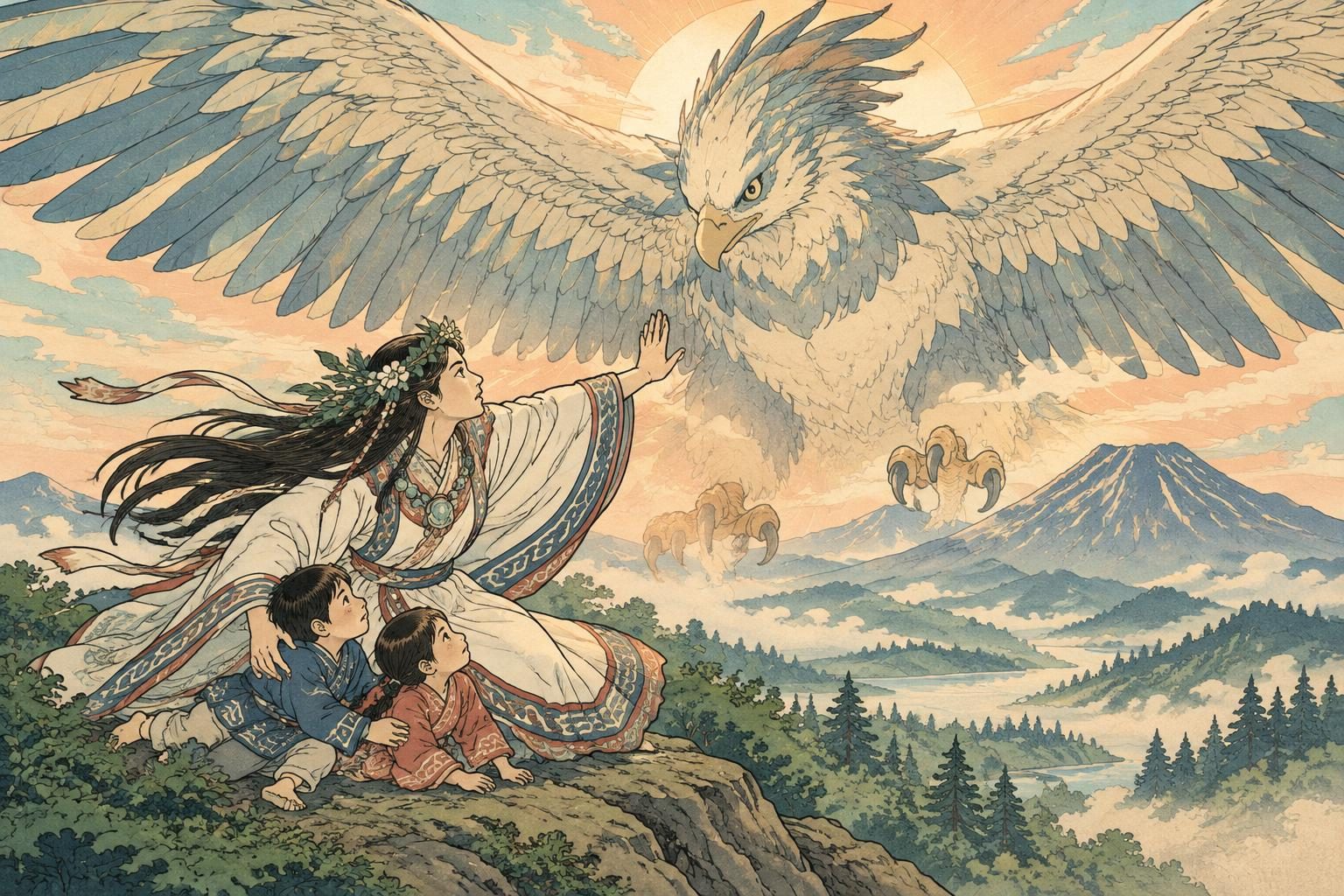
According to local tradition and temple records, after the death of En no Gyōja in 701, he manifested as Hōkibō Daitengu, the great tengu who guards Mount Ishizuchi. This legendary figure is enshrined in Hōkibō-dō Hall at Gokuraku-ji Temple in Saijō. The tengu is said to protect the mountain and test the resolve of pilgrims and ascetics who traverse its rugged paths.

Who Is Hōkibō Daitengu? The Guardian of Western Japan’s Highest Peak
FACT: En no Gyōja and the Foundations of Shugendō Asceticism
En no Gyōja, a legendary ascetic and the founder of Shugendō, is credited with opening Mount Ishizuchi as a sacred site around 680. His teachings emphasized rigorous physical and spiritual training in the mountains. At Gokuraku-ji, the head temple of the Ishizuchisan Shingon-Shugendō sect, En no Gyōja is venerated, and his transformation into Hōkibō Daitengu is a central aspect of the temple’s spiritual narrative.
LEGEND: The Role of Hōkibō in Ascetic Trials
The legend of Hōkibō Daitengu includes his role as the mountain’s master, where he challenges ascetics on the chain-climbing routes known as ‘kusariba’. These chains are integral to the spiritual training on the mountain, symbolizing the trials and perseverance required to attain enlightenment. The tengu is believed to test the faith and dedication of those who attempt the climb.
LEGEND: Variants of En no Gyōja’s Opening of Ishizuchi
While the most commonly accepted tradition states that En no Gyōja opened Mount Ishizuchi in 701, another account suggests the year was 685. This variant reflects the rich tapestry of oral traditions and the deep cultural significance of the mountain in local lore. Despite the differing dates, both traditions agree on En no Gyōja’s pivotal role in establishing the mountain as a sacred site.

The Sacred Infrastructure: Shrines and Pilgrimage Routes
FACT: Pilgrimage Shrines on Mount Ishizuchi
Mount Ishizuchi features a network of shrines that form a pilgrimage route integral to the Shugendō tradition. These include the base Kuchinomiya Shrine, the mid-mountain Joju-sha, and the summit shrine on Misen. Each shrine serves as a spiritual checkpoint for pilgrims, offering a place for reflection and worship as they ascend the sacred mountain.
FACT: The Role of Gokuraku-ji Temple
Gokuraku-ji Temple, located in Saijō, is the head temple of the Ishizuchisan Shingon-Shugendō sect. Founded by En no Gyōja, it venerates Hōkibō Daitengu and serves as a major center for spiritual training and pilgrimage. The temple’s Hōkibō-dō Hall is a focal point for worshippers, and its grounds provide a serene setting for contemplation and connection with the mountain’s spiritual heritage.
Conquering the Kusariba: Iron Chains and Mountain Trials
FACT: The Challenge of the Kusariba
The kusariba are rocky sections climbed using iron chains, but both the Joju and Tsuchigoya routes have bypass trails, so climbers can reach the Misen summit without using the chains. These near-vertical rock sections are dangerous to attempt casually. If unsure, do not attempt the chains; use the bypass trails instead (see the official Ishizuchi Mountain Range climbing guide). These chains are a core part of the mountain’s ascetic tradition, representing both a physical and spiritual challenge. Climbers are tested not only in strength but in their spiritual resolve, echoing the trials faced by ascetics under the watchful eye of Hōkibō Daitengu.

The Oyama-biraki Mountain-Opening Festival and Living Traditions
FACT: Celebrating the Mountain-Opening
Each year, from July 1 to 10, Mount Ishizuchi hosts the Oyama-biraki festival, marking the opening of the mountain for the climbing season. During this festival, white-clad ascetics ascend the mountain, blowing conch shells known as horagai. This event is a vibrant expression of the living traditions of Shugendō, drawing participants and spectators from across Japan.
Visiting Gokuraku-ji and Experiencing Mount Ishizuchi
FACT: Gokuraku-ji Temple and Hōkibō-dō Hall
Gokuraku-ji Temple in Saijō is the spiritual heart of Mount Ishizuchi’s Shugendō practice. Founded by En no Gyōja, it serves as a major training center and houses the Hōkibō-dō Hall, where Hōkibō Daitengu is enshrined. Visitors can explore the temple grounds and participate in ceremonies that honor the tengu and the mountain’s spiritual legacy.
Nearby Guide
Access
- Joju Station (Saijō) — Take the Ishizuchi Ropeway from Sanroku Shitadani Station to Joju Station in about 8 minutes. From Joju Station, a lift and a 20-minute walk lead to Joju Shrine, the starting point of the Omotesando Route. This route is recommended for beginners. official site
- Tsuchigoya Trailhead (Saijō) — Accessible via the Ishizuchi Skyline, a mountain road from the Omogo gorge side with views of the peak’s south face. The trailhead is at 1,492 meters and offers a gentler ascent to the summit. details
Nearby sights
- Ishizuchi Shrine (Saijō) — A complex of four shrines located on Mount Ishizuchi, with the main shrine at the base and others near the summit and along the ropeway. The shrine venerates the mountain itself and has been a center of worship since the Nara period. details
- Gokuraku-ji Temple (Saijō) — The head temple of the Ishizuchisan Shingon sect, founded in 680 by En no Gyōja. It serves as a major training center for Shugendō and is associated with the veneration of Hōkibō Daitengu. details
Where to stay
- Chojo Sanso Lodge (Saijō) — Located near the summit of Mount Ishizuchi, this lodge offers accommodations, a restaurant, and a shop. It’s a popular spot for hikers to rest and enjoy the stunning views. official site
Where to eat
- Joju Shrine Area (Saijō) — At the Joju Shrine area, visitors can find a cluster of ryokans (traditional inns) and souvenir shops offering local specialties and meals. It’s a great place to experience local cuisine and culture. official site

Related on JAPAN ESSENCE: Exploring the Sacred Island of Okinoshima and Munakata Taisha | Exploring Sefa Utaki: Okinawa’s Most Sacred UNESCO Heritage Site
Regional guide
Location: Saijō, Ehime Prefecture
Sources
- En no Gyōja – Wikipedia
- Gokuraku-ji (Saijō) – Wikipedia
- Tradition & Culture – 愛媛県西条市ホームページ
- Ishizuchi Mountain Tengu Legend|Legend from 寺社縁起・社寺由緒資料|IZANORA
- Mount Ishizuchi Guide: Hiking Western Japan’s Highest Peak in Ehime – Japan Real Guide
- Mt. Ishizuchi | Travel Japan – Japan National Tourism Organization (Official Site)
- Things to See in Mount Ishizuchi & Saijo | Ehime.com
- Mt. Ishizuchi | Ehime | Japan Hiking & Trekking | JNTO
- Saijō, Ehime
To explore further, visit Kawara Kobo (瓦工房) for a hands-on kawara experience and Zenkei (禅景) for Zen-inspired onigawara art.