Author: 禅門道.

  • The Legend of Date Masamune’s Miraculous Sword Ōkurikara

    The Legend of Date Masamune’s Miraculous Sword Ōkurikara

    In Sendai, Miyagi Prefecture, the legendary sword Ōkurikara is not just a relic of the past but a symbol of the enduring spirit of the Date clan and its most famous leader, Date Masamune. This sword, steeped in legend and history, continues to captivate those who visit Sendai City Museum and other historical sites in the region.

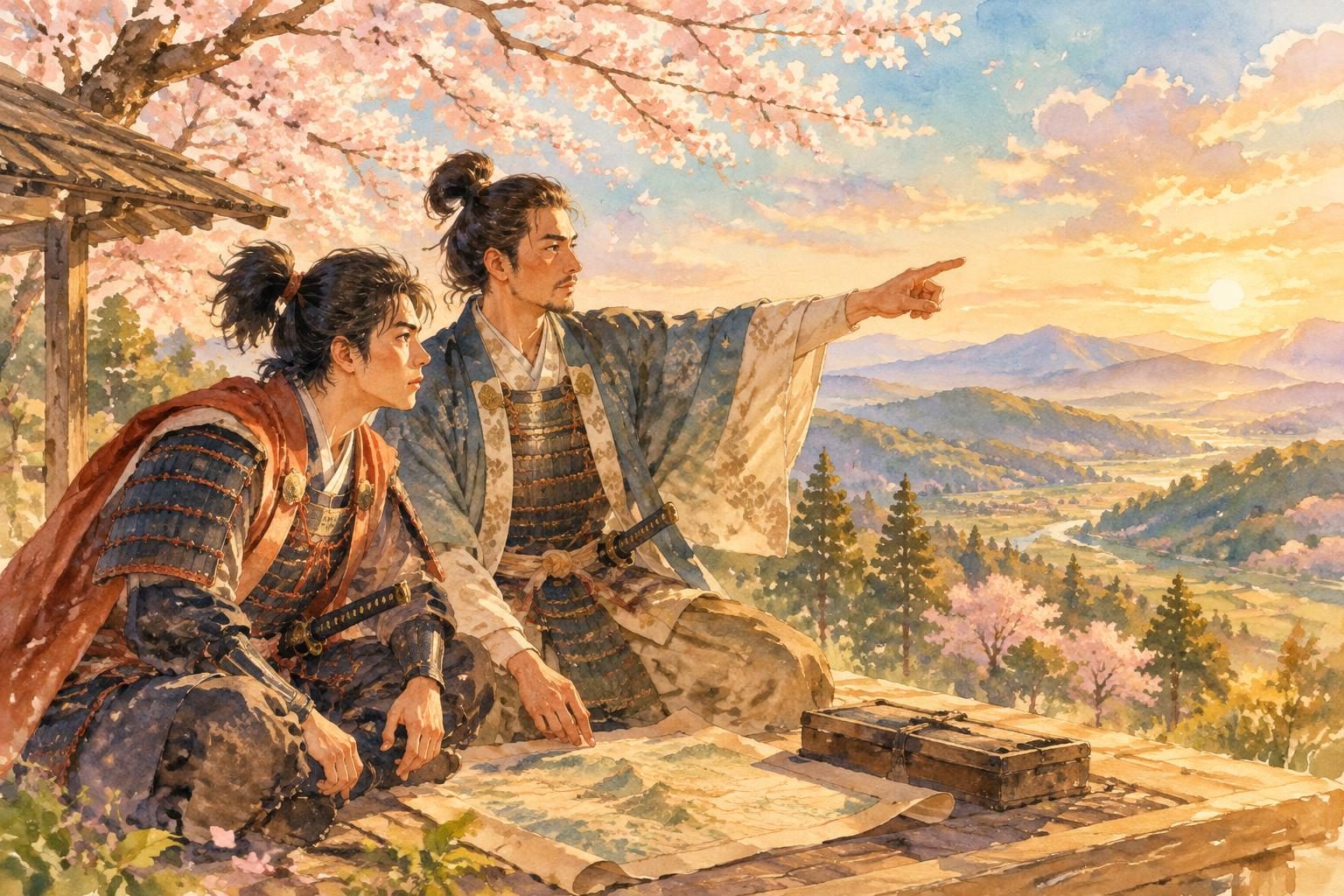
    Date Masamune with Ōkurikara sword, dragon moving, blue flame, Sendai winter landscape.
    AI生成イメージ / AI-generated illustration (not a photograph of the actual place)

    Introduction to Date Masamune and the Legend of Ōkurikara

    FACT: The Historical Figure of Date Masamune

    Date Masamune, often referred to as the “one-eyed dragon of Ōshū,” was a powerful daimyo in the Tōhoku region during the late 16th and early 17th centuries. Known for his military prowess and strategic acumen, Masamune was a formidable leader who played a significant role in the unification of Japan. Beyond his martial achievements, he was also a patron of the arts and culture, fostering a rich cultural legacy that continues to influence Sendai, the city he founded. His contributions to the region’s development are still evident today, as seen in the historical sites and artifacts associated with his reign.

    Masamune’s influence extended beyond mere military conquests; he was instrumental in promoting cultural exchanges and innovations. His vision for Sendai was not just as a military stronghold but as a center of culture and learning. This is reflected in the city’s enduring cultural institutions and the preservation of artifacts like the Ōkurikara, which serve as a testament to his lasting impact.

    LEGEND: The Miraculous Sword Ōkurikara

    According to legend, the sword Ōkurikara, crafted by the renowned swordsmith Hiromitsu of the Sagami tradition, was imbued with mystical powers. On the night Masamune first held the blade, it is said that the carved Kurikara dragon appeared to move, or a blue flame glowed within the steel. This miraculous event led Masamune to pray before Ōkurikara before every major battle, believing it brought him victory. The sword’s association with such supernatural phenomena underscores its importance not only as a weapon but also as a talisman that Masamune believed could influence the outcome of his endeavors.

    This legend is a vivid illustration of the deep spiritual connection that samurai often had with their swords, viewing them as extensions of their own will and spirit. The belief in the sword’s mystical properties reflects the era’s blending of martial and spiritual disciplines, where warriors sought both physical and metaphysical advantages in battle.

    The Symbolism and Craftsmanship of the Ōkurikara Sword

    FACT: The Craftsmanship of Ōkurikara

    The Ōkurikara sword is a testament to the skill and artistry of the Sagami swordsmiths. Originally a large tachi, the sword was later re-ground to approximately 67.6 cm in length. This transformation reflects the practical needs of the Sengoku period, when swords were often modified to suit the changing demands of warfare. The blade features a gunome-midare hamon, a wavy temper line that is characteristic of the Sagami tradition, and intricate details that highlight the craftsmanship involved in its creation. The Kurikara dragon carved into the blade is a symbol of Fudō Myōō, a Buddhist deity known for his fierce and protective nature, further emphasizing the sword’s spiritual significance.

    The artistry of the Kurikara dragon carving is not merely decorative but serves as a spiritual emblem. Fudō Myōō, depicted through the dragon, is a guardian figure in Buddhism, symbolizing the sword’s role as both protector and destroyer of evil. This duality reflects the samurai’s own code of ethics, where martial prowess was balanced with a deep sense of duty and morality.

    Sendai city museum03s3200 - Sendai City Museum
    “Sendai city museum03s3200” (Sendai City Museum) by 663highland, CC BY 2.5, source, via Wikimedia Commons

    Folklore: The Moving Dragon and Blue Flames of Battle

    LEGEND: The Dragon and Flames

    The legend of the moving dragon and blue flames is a captivating tale that adds to the mystique of Ōkurikara. This story, passed down through generations, illustrates the deep connection between Masamune and his sword. It reflects the belief that the sword was not merely a weapon but a talisman imbued with divine power. The narrative of the dragon coming to life or the blue flames emanating from the blade serves as a metaphor for the courage and determination that Masamune embodied, inspiring his troops and intimidating his enemies.

    This tale is often recounted in local folklore, serving as a source of inspiration and pride for the people of Sendai. It highlights the cultural significance of the sword beyond its physical form, embedding it deeply within the collective memory and identity of the region.

    Tokugawa Ieyasu and Tōhoku Craftsmanship Praise

    LEGEND: Ieyasu’s Admiration

    Another legend tells of Tokugawa Ieyasu’s admiration for the black lacquer mounting of Ōkurikara after the Battle of Sekigahara. Upon learning that it was crafted by Ōshū artisans under Masamune’s command, Ieyasu praised their skill, highlighting the exceptional craftsmanship of the region. This acknowledgment from one of Japan’s most powerful figures underscores the high regard in which Tōhoku craftsmanship was held, and it reflects the cultural and artistic achievements of the period.

    This story serves as a testament to the high level of craftsmanship that was prevalent in the Tōhoku region during Masamune’s time. The recognition by a figure as prominent as Ieyasu not only elevates the status of the artisans but also reinforces the cultural pride of the region, showcasing the blend of artistry and functionality in their work.

    Sendai city museum02s3200 - Sendai City Museum
    “Sendai city museum02s3200” (Sendai City Museum) by 663highland, CC BY 2.5, source, via Wikimedia Commons

    Cultural Significance and the Sendai City Museum

    FACT: Preservation of Ōkurikara

    Today, Ōkurikara is preserved as an Important Cultural Property, housed in collections such as the Sendai City Museum and Zuihōden. These institutions safeguard the sword as part of the cultural heritage of Tōhoku, allowing visitors to appreciate its historical and artistic value. The preservation of Ōkurikara not only serves as a testament to the craftsmanship of the past but also as a reminder of the enduring legacy of the Date clan and their contributions to Japanese history.

    Visitors to these museums can view the sword and other artifacts, gaining insight into the life and times of Date Masamune. The preservation efforts ensure that future generations can continue to learn from and be inspired by these historical treasures, maintaining a tangible connection to the past.

    Exploring Sendai Castle Grounds and Zuihōden

    FACT: Visiting Historical Sites

    The Sendai City Museum, located in the former Third Bailey of Sendai Castle, offers a glimpse into the region’s rich history. Here, visitors can explore exhibits that detail the life and achievements of Date Masamune, as well as the broader history of the Tōhoku region. Nearby, Zuihōden, the mausoleum of Date Masamune, provides further insight into the life and legacy of this influential figure. Visitors can explore these sites to deepen their understanding of the samurai era and the cultural significance of artifacts like Ōkurikara. The architecture and design of Zuihōden, with its intricate carvings and vibrant colors, reflect the aesthetic sensibilities of the Momoyama period and offer a window into the artistic achievements of Masamune’s time.

    These sites not only serve as historical landmarks but also as places of reflection, where one can ponder the legacy of the samurai and the cultural evolution of Japan. They offer a unique opportunity to experience the fusion of history, art, and spirituality that defines the region.

    Nearby Guide

    Access

    • International Center Station (Sendai) — Take the Sendai Subway Tozai Line from Sendai Station to International Center Station. From South Exit 1, it’s an 8-minute walk to the museum. official site
    • Loople Sendai Bus (Sendai) — From Sendai Station West Exit Bus Terminal, board the Loople Sendai bus (Stop 16). Alight at Sendai City Museum/International Center/Ryokusaikan Mae stop, a 3-minute walk from the museum. official site
    • By Car (Sendai) — From the Sendai-Miyagi IC on the Tohoku Expressway, drive approximately 15 minutes to the museum. Parking is available for 50 cars and 4 buses (reservation preferred). official site
    Locator map of Japan: Sendai, Miyagi
    Legend site: Sendai, Miyagi — Source: Map of Japan with highlight on 04 Miyagi prefecture.svg; Map: Lincun, CC BY-SA 3.0, via Wikimedia Commons

    Sources

    About the author

    JAPAN ESSENCE Editorial Team
    Our mission is to bring you Japan’s legends, myths, festivals and living traditions, through both historical fact and the stories passed down over generations.

  • Kyushu’s Onigawara: Japan’s Fierce Roof Guardians

    Kyushu’s Onigawara: Japan’s Fierce Roof Guardians

    In Dazaifu, Fukuoka Prefecture, the fierce visage of onigawara tiles has long guarded the roofs of temples and homes, blending artistry with spiritual protection in Japanese architecture. These iconic tiles, with their demon-like faces, serve as both a decorative element and a protective talisman, embodying a rich cultural heritage that spans centuries.

    An ukiyo-e-style illustration of a fierce onigawara guardian amid a sunrise landscape in Dazaifu.
    AI生成イメージ / AI-generated illustration (not a photograph of the actual place)

    Introduction to Onigawara: Japan’s Protective Roof Guardians

    FACT: The Role of Onigawara in Japanese Architecture

    Onigawara, or demon-faced roof tiles, are a distinctive feature of Japanese architecture. Traditionally placed at the ends of roof ridges, these tiles serve both decorative and protective purposes. The fierce expressions of the onigawara are believed to ward off evil spirits and protect the structures they adorn. This practice is deeply rooted in Japanese culture, with variations found across regions, each with its own unique style and symbolism. The presence of onigawara on a building is not just a testament to the artistry of the craftsmen but also a reflection of the spiritual beliefs that permeate Japanese society.

    These tiles are more than mere architectural elements; they are imbued with cultural significance. The choice of motifs and the skillful execution of their designs speak to a long tradition of craftsmanship and spiritual expression. Each onigawara is a unique piece, often custom-made to suit the building it adorns, reflecting the owner’s status and beliefs. This integration of art and spirituality is a hallmark of Japanese cultural heritage, making onigawara a fascinating subject for those interested in the intersection of art, architecture, and religion.

    The Ancient Roots of Dazaifu-Style Onigawara

    FACT: Characteristics of Dazaifu-Style Onigawara

    The Dazaifu-style onigawara, originating from the Nara period, are renowned for their bold high-relief designs and contorted, fierce expressions. Unlike the flatter tiles commonly found in central Japan, these early demon-faced tiles were among the first of their kind in the country. Their distinct style set them apart and established a lasting legacy in the region. The high-relief technique used in these tiles allows for a more dramatic and imposing appearance, which was likely intended to enhance their protective qualities.

    These tiles are characterized by their intricate detailing and the expressive power of their designs. The high-relief technique gives depth and dimension to the demon faces, making them appear almost lifelike. This style not only served a protective function but also demonstrated the advanced artistic skills of the craftsmen of the time. The Dazaifu-style onigawara thus represents a significant development in the evolution of Japanese roof tile design, marking a departure from simpler, more functional forms to those that also conveyed artistic and spiritual messages.

    LEGEND: Possible Influences on Dazaifu Onigawara Designs

    Scholars speculate that the design of Dazaifu onigawara may have been influenced by continental motifs such as the Chinese taotie or Korean beast masks, as well as by contemporary Buddhist Niō guardian statues. While these influences are not definitively proven, they suggest a fascinating blend of cultural exchanges that contributed to the unique aesthetic of these tiles. According to some interpretations, the fierce expressions of the onigawara could be seen as a reflection of the protective roles played by these guardian figures in various cultures.

    This blend of influences highlights the interconnectedness of ancient East Asian cultures, where artistic and religious ideas often crossed borders and were adapted in new contexts. The possible incorporation of elements from Chinese and Korean art into Japanese onigawara designs is a testament to the dynamic cultural interactions of the time. Such exchanges enriched the visual language of Japanese architecture, allowing for the creation of unique and powerful symbols like the Dazaifu-style onigawara.

    Fukuoka 20150901144543 (23671613793) - Kyushu National Museum
    “Fukuoka 20150901144543 (23671613793)” (Kyushu National Museum) by inunami, CC BY 2.0, source, via Wikimedia Commons

    Seeing History: The Nara-Period Masterpiece at the Kyushu National Museum

    FACT: The Nara-Period Onigawara at the Museum

    One of the most significant examples of Dazaifu-style onigawara can be found at the Kyushu National Museum in Dazaifu. This 8th-century high-relief tile, featuring a fierce demon face, is preserved as an Important Cultural Property. It offers a glimpse into the craftsmanship and artistic expression of the Nara period, showcasing the enduring legacy of these architectural guardians. Visitors to the museum can view this masterpiece and appreciate the intricate details that have been preserved over the centuries, providing a tangible connection to Japan’s architectural past.

    The Kyushu National Museum provides an ideal setting to explore the historical context and artistic significance of this onigawara. As part of its permanent collection, the tile is displayed alongside other artifacts from the same period, offering a comprehensive view of the cultural and artistic milieu of ancient Japan. The museum’s exhibitions are designed to engage visitors with the historical narratives and artistic achievements of the region, making it a must-visit destination for anyone interested in Japanese history and art.

    The Evolution of Jojima Onigawara in Kurume

    FACT: Jojima’s Tile-Making Tradition

    In Jojima, Kurume City, the tradition of tile-making began after the Battle of Sekigahara under the Arima clan. The region became renowned for producing onigawara with refined luster, elegant shapes, and durability, which were used across Kyushu. This craft continues to thrive, maintaining the region’s reputation for high-quality tiles. The tiles from Jojima are celebrated not only for their aesthetic appeal but also for their functional durability, making them a preferred choice for many builders throughout the region.

    The enduring popularity of Jojima onigawara is a testament to the skill and innovation of the craftsmen who have kept this tradition alive. The tiles are known for their distinctive sheen and graceful forms, which are achieved through techniques that have been passed down through generations. This commitment to quality and tradition ensures that Jojima remains a vital center for onigawara production, contributing to the cultural and economic vitality of Kurume City.

    LEGEND: Symbolism of Jojima Onigawara

    Jojima onigawara are not only admired for their craftsmanship but also for their symbolic role. These tiles often depict fierce demon faces, clouds, or chrysanthemums, serving as powerful talismans to ward off evil and protect households. This tradition underscores the cultural significance of onigawara as both art and amulet. The motifs chosen for these tiles are deeply symbolic, with each element carrying its own set of meanings and associations, further enriching the cultural tapestry of the region.

    The use of specific motifs in Jojima onigawara reflects the local beliefs and customs that have shaped the region’s cultural identity. The demon faces symbolize protection against malevolent forces, while clouds and chrysanthemums may represent harmony and longevity. These symbolic meanings resonate with the broader themes of protection and prosperity that are central to the onigawara tradition, making them an integral part of the cultural heritage of Kurume.

    Fukuoka 20150901144058 (24190250432) - Access Tunnel Entrance, Kyushu National Museum
    “Fukuoka 20150901144058 (24190250432)” (Access Tunnel Entrance, Kyushu National Museum) by inunami, CC BY 2.0, source, via Wikimedia Commons

    Where to Experience Kyushu’s Onigawara Heritage Today

    Visitors to Fukuoka can explore the rich heritage of onigawara by visiting the Kyushu National Museum in Dazaifu, where the Nara-period masterpiece is on display. Additionally, the ongoing craft tradition in Jojima, Kurume, offers insights into the evolution and continued importance of these tiles in Japanese culture. Engaging with these sites provides a deeper understanding of how onigawara have been integrated into both historical and contemporary contexts, reflecting the enduring nature of this art form.

    Exploring these sites allows visitors to appreciate the artistry and cultural significance of onigawara in a tangible way. Together, these experiences offer a comprehensive view of the role that these tiles play in Japanese cultural heritage, making them an essential part of any visit to the region.

    Nearby Guide

    Access

    • Nishitetsu Dazaifu Station (Dazaifu) — A 10-minute walk from Nishitetsu Dazaifu Station on the Nishitetsu Dazaifu Line. official site
    • Dazaifu Station (Dazaifu) — A 10-15 minute walk from Dazaifu Station. official site
    • Kyushu Expressway (Dazaifu) — details

    Nearby sights

    • Dazaifu Tenmangu Shrine (Dazaifu) — A historic shrine dedicated to the deity of learning, located a short distance from the museum. official site
    Locator map of Japan: Dazaifu, Fukuoka
    Legend site: Dazaifu, Fukuoka — Source: Map of Japan with highlight on 40 Fukuoka prefecture.svg; Map: Lincun, CC BY-SA 3.0, via Wikimedia Commons

    Regional guide

    Location: Dazaifu, Fukuoka Prefecture

    • Jōjima Onigawara craft (Kurume) — source
    • Kyushu National Museum (Dazaifu) — source

    Sources

    About the author

    JAPAN ESSENCE Editorial Team
    Our mission is to bring you Japan’s legends, myths, festivals and living traditions, through both historical fact and the stories passed down over generations.

  • Nurikabe: The True Legend of Japan’s Invisible Stone Wall Yokai

    Nurikabe: The True Legend of Japan’s Invisible Stone Wall Yokai

    In the folklore-rich regions of Fukuoka and Oita Prefectures in Kyushu, Japan, tales of the Nurikabe—a mysterious invisible wall yokai—have intrigued and perplexed locals and visitors alike. This enigmatic entity is said to obstruct travelers at night, creating an impassable barrier that leaves them disoriented and lost.

    Nurikabe from the Bakemono no e scroll in the Harry F. Bruning Collection of Japanese books and manuscripts at Brigham Young
    “Nurikabe Bakemono no e BYU” by Anonymous Unknown author, Public domain, via Wikimedia Commons

    Introduction to the Nurikabe Legend

    LEGEND: The Invisible Wall of Kyushu

    According to local tradition, the Nurikabe is an invisible wall that appears suddenly on roads, especially at night, to block the path of travelers. This yokai is often depicted as a mischievous spirit, playing tricks on those who wander the roads of Fukuoka and Oita. While the wall itself is invisible, its effects are very real, causing confusion and frustration for those who encounter it. The legend speaks to a deeper cultural understanding of the unpredictable nature of travel and the unseen forces that can influence one’s journey. The presence of such tales in local folklore highlights the importance of respecting the unknown and the supernatural in Japanese culture.

    Travelers encountering the Nurikabe are often advised to change their path or wait for the obstacle to disappear, reflecting a cultural belief in patience and adaptability. This advice underscores the idea that sometimes the best way to deal with unseen challenges is to remain calm and flexible, a lesson that resonates with broader life philosophies in Japan.

    LEGEND: Variations in the Story

    In some stories, the Nurikabe is not just a simple wall but a sentient entity capable of moving and adapting to thwart any attempt to bypass it. This adds a layer of complexity to the legend, suggesting that the yokai is not merely an obstacle but a cunning adversary. The tales often emphasize the futility of trying to outsmart the Nurikabe, as it seems to anticipate and counteract every move a traveler might make. This portrayal of the Nurikabe as an intelligent force highlights the theme of humility before nature’s mysteries, a common motif in Japanese folklore.

    These variations in the story also reflect the rich oral tradition of the region, where each retelling can bring new elements or interpretations. This dynamic storytelling tradition ensures that the legend remains vibrant and relevant to each new generation, adapting to the cultural and social contexts of the time.

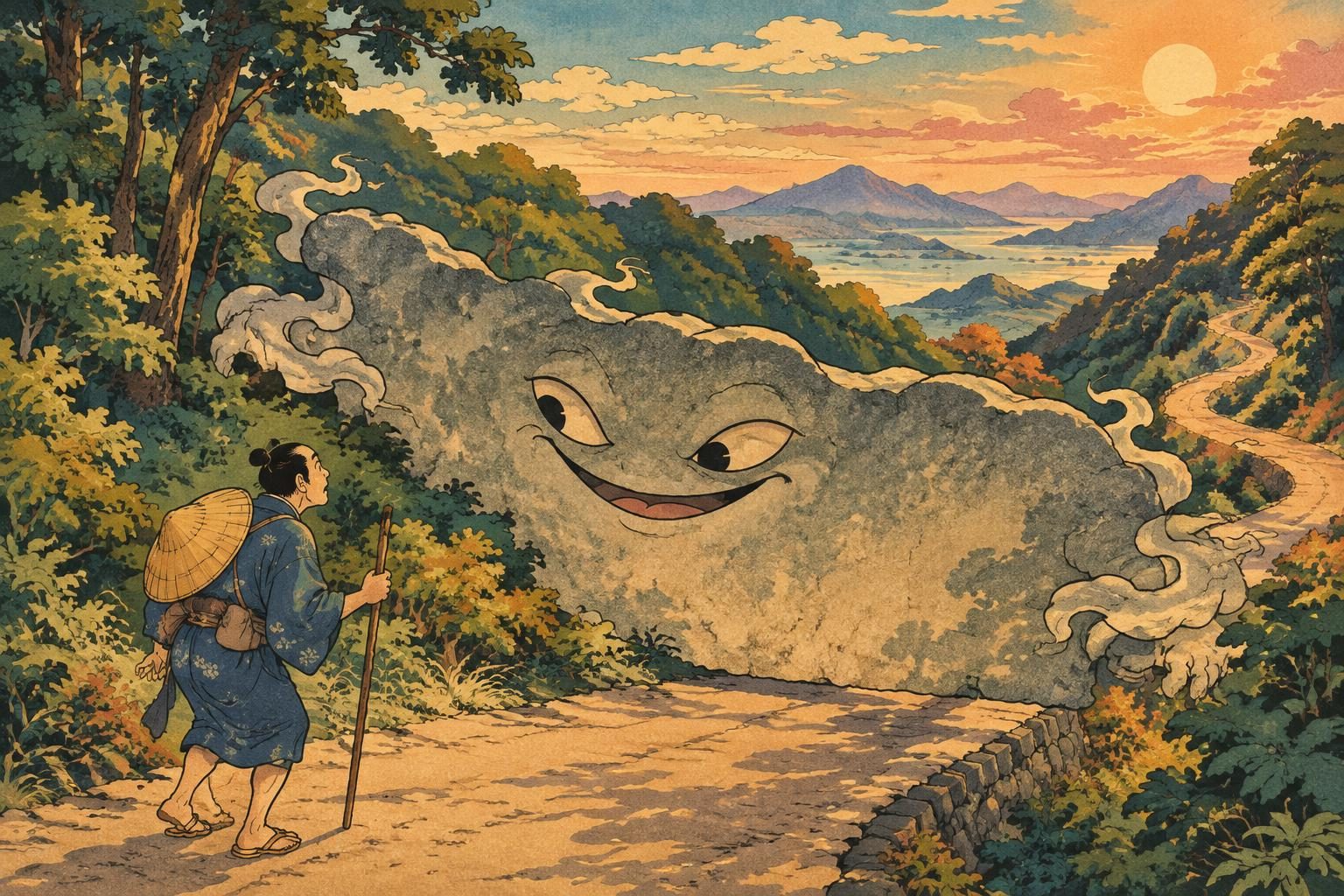
    Ukiyo-e illustration of Nurikabe, a yokai, blocking a traveler's path on a scenic road.
    AI生成イメージ / AI-generated illustration (not a photograph of the actual place)

    Kunio Yanagita and the Onga District Coast

    FACT: Documenting Folklore

    Kunio Yanagita, a renowned Japanese folklorist, played a significant role in documenting the tales of the Nurikabe. His work in the Onga District of Fukuoka Prefecture helped preserve these stories for future generations. Yanagita’s dedication to collecting and recording oral traditions has been instrumental in keeping the legend of the Nurikabe alive. His meticulous documentation provides a window into the cultural landscape of the time, offering insights into how these stories were shared and adapted across generations. Yanagita’s efforts highlight the importance of preserving intangible cultural heritage, ensuring that these stories continue to be a source of cultural identity and pride.

    FACT: Yanagita’s Influence

    Yanagita’s influence extends beyond mere documentation; he helped elevate the status of folklore as an important cultural and academic pursuit. By treating these stories with the same respect as historical texts, he ensured that the voices and beliefs of rural Japan were not lost to modernization. His work in the Onga District is a testament to his commitment to preserving the intangible cultural heritage of Japan. Through his writings, Yanagita not only preserved the stories themselves but also fostered a greater appreciation for the cultural and historical contexts in which these legends were born.

    Hakata Port from Fukuoka Tower - Views from Fukuoka Tower, Cityscapes of Fukuoka
    “Hakata Port from Fukuoka Tower” (Views from Fukuoka Tower, Cityscapes of Fukuoka) by そらみみ, CC BY-SA 4.0, source, via Wikimedia Commons

    Formless Spatial Anomaly vs. Modern Depictions

    LEGEND: Traditional vs. Modern Interpretations

    While traditional accounts describe the Nurikabe as an invisible barrier, modern depictions often give it a more tangible form. In some interpretations, it is portrayed as a creature with a face and limbs, adding a visual element to the otherwise formless yokai. This evolution reflects the changing ways in which folklore adapts to contemporary culture. The shift from an abstract concept to a more defined character illustrates how modern storytelling techniques influence the portrayal of ancient myths. This transformation is indicative of a broader trend in folklore, where stories are reimagined to resonate with contemporary audiences, bridging the gap between past and present.

    LEGEND: Cultural Adaptation

    The transformation of the Nurikabe from an invisible wall to a creature with distinct features highlights the dynamic nature of folklore. As society changes, so too do the stories that it tells. This adaptation is not only a testament to the enduring nature of the Nurikabe legend but also to the creativity and imagination of those who continue to share these tales. The reinterpretation of the Nurikabe in modern media, such as anime and manga, demonstrates the ongoing relevance of these legends in popular culture, allowing them to reach new audiences and maintain their place in the cultural consciousness.

    Oita Prefecture Variants: Tanuki and Weasel Legends

    LEGEND: Shape-Shifting Tricksters

    In Oita Prefecture, variations of the Nurikabe legend include shape-shifting animals such as tanuki (raccoon dogs) and weasels. These creatures are believed to transform into the invisible wall, using their cunning to deceive travelers. Such stories highlight the rich tapestry of yokai folklore in the region, where animals often play pivotal roles in supernatural tales. The inclusion of these animals adds a layer of trickery and mischief, as tanuki and weasels are traditionally seen as clever and elusive creatures. This aspect of the legend underscores the theme of nature’s unpredictability and the belief in the supernatural abilities of animals in Japanese culture.

    LEGEND: Animal Influence in Folklore

    The presence of shape-shifting animals in the Nurikabe legend underscores the importance of animals in Japanese folklore. These creatures often serve as intermediaries between the human and supernatural worlds, embodying traits that are both familiar and otherworldly. The stories of tanuki and weasels transforming into the Nurikabe reflect a broader cultural fascination with the boundaries between the natural and supernatural realms. This fascination is evident in the way these legends are woven into the fabric of local culture, influencing art, literature, and even local customs.

    福岡市扇町公園 ブランコ - Hakata-eki-minami, Fukuoka, Parks in Fukuoka
    “福岡市扇町公園 ブランコ” (Hakata-eki-minami, Fukuoka, Parks in Fukuoka) by Harimawood, CC BY-SA 4.0, source, via Wikimedia Commons

    Historical Scrolls and Early Depictions of the Wall

    FACT: Artistic Representations

    Historical scrolls and artworks provide glimpses into how the Nurikabe has been perceived over time. Early depictions often show a simple wall or barrier, emphasizing its role as an obstacle. These artistic interpretations serve as valuable records of the cultural significance of the Nurikabe in Japanese folklore. The simplicity of these early representations highlights the yokai’s primary function as an impediment, leaving much to the imagination regarding its true nature. These artworks not only document the visual history of the Nurikabe but also offer insights into the artistic conventions and cultural values of the periods in which they were created.

    FACT: Evolution of Depictions

    As artistic styles evolved, so too did the representations of the Nurikabe. Later artworks began to incorporate more elaborate and imaginative elements, reflecting the changing perceptions of the yokai. These depictions not only illustrate the artistic trends of their time but also provide insight into how the legend of the Nurikabe has been reinterpreted and reimagined throughout history. This evolution showcases the interplay between art and folklore, where each influences the other, resulting in a rich tapestry of cultural expression that continues to evolve.

    Exploring the Folklore Roots in Modern Kyushu

    FACT: Cultural Influence and Legacy

    The legend of the Nurikabe continues to influence cultural expressions in Kyushu today. From local festivals to storytelling events, the invisible wall yokai remains a beloved and enduring symbol of the region’s rich folkloric heritage. Its presence in popular culture underscores the timeless appeal of yokai stories in Japan. These events not only celebrate the Nurikabe but also serve as a means of preserving and promoting the cultural identity of Kyushu. By engaging with these traditions, both locals and visitors can experience the living history of the region, gaining a deeper understanding of its cultural roots.

    FACT: Modern Celebrations

    Modern celebrations of the Nurikabe legend often incorporate elements of traditional performance, art, and storytelling. These events provide an opportunity for locals and visitors alike to engage with the region’s folklore in a dynamic and interactive way. By participating in these celebrations, individuals can gain a deeper appreciation for the cultural heritage of Kyushu and the enduring legacy of its yokai tales. These festivities not only keep the legend alive but also foster a sense of community and continuity, ensuring that the stories of the Nurikabe remain a vibrant part of Kyushu’s cultural landscape.

    Locator map of Japan: Fukuoka, Fukuoka
    Legend site: Fukuoka, Fukuoka — Source: Map of Japan with highlight on 40 Fukuoka prefecture.svg; Map: Lincun, CC BY-SA 3.0, via Wikimedia Commons

    Sources

    About the author

    JAPAN ESSENCE Editorial Team
    Our mission is to bring you Japan’s legends, myths, festivals and living traditions, through both historical fact and the stories passed down over generations.

  • Exploring Miyoshi’s Mononoke Legend and the Japan Yokai Museum

    Exploring Miyoshi’s Mononoke Legend and the Japan Yokai Museum

    In the mist-shrouded Miyoshi Basin of Hiroshima Prefecture, the legend of the Inō Mononoke Roku captivates visitors with tales of ghostly encounters and supernatural intrigue. At the heart of this folklore is the story of Ino Heitaro, whose haunting experiences are immortalized in the local culture and celebrated at the Miyoshi Mononoke Museum.

    Yōkai without a head
    “Yokai without a head” by Unknown author Unknown author, Public domain, via Wikimedia Commons

    Introduction to the Miyoshi Basin and Its Foggy Atmosphere

    FACT: The Geography of Miyoshi

    Miyoshi, located in Hiroshima Prefecture, is renowned for its picturesque landscapes, characterized by rolling hills and lush greenery. The dense fog that frequently envelops the area adds an air of mystery and enchantment, creating an ideal setting for tales of the supernatural. This atmospheric backdrop has contributed to the region’s rich folklore heritage, where stories of yokai and otherworldly beings have been passed down through generations. The fog not only enhances the mystique of the region but also plays a pivotal role in the storytelling traditions, where the unseen and the unknown are brought to life in the imaginations of the people.

    The region’s natural beauty and its atmospheric conditions have long inspired local folklore, making Miyoshi a unique cultural hub for those interested in the supernatural. The interplay between the natural environment and the cultural narratives creates a compelling tapestry that draws both locals and tourists alike to explore its mysteries.

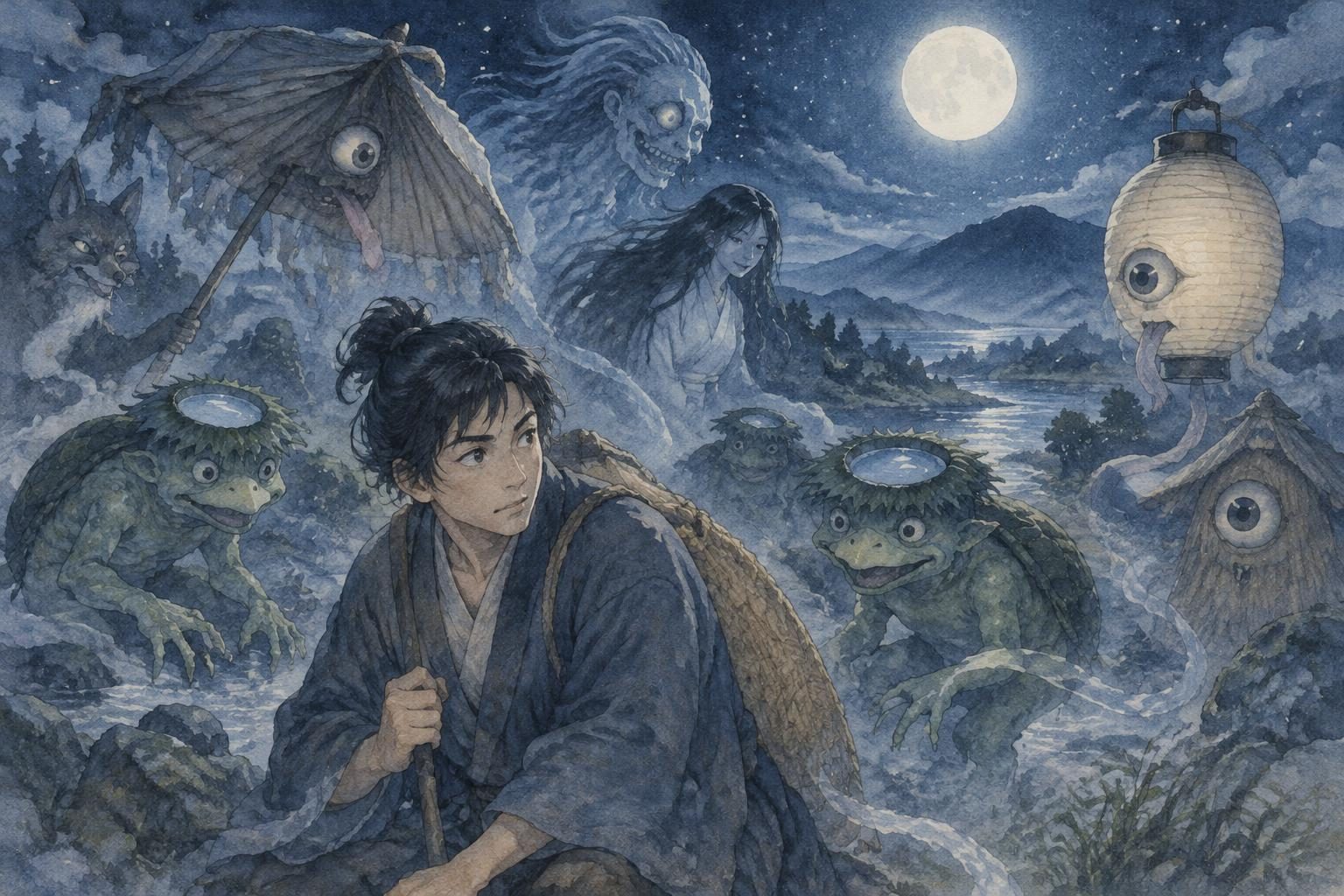
    Ino Heitaro surrounded by yokai in moonlit Miyoshi landscape.
    AI生成イメージ / AI-generated illustration (not a photograph of the actual place)

    The 1749 Haunting: Ino Heitaro and the Thirty-Night Mononoke Legend

    LEGEND: The Haunting of Ino Heitaro

    According to local tradition, the haunting of Ino Heitaro began in 1749, marking a significant chapter in Miyoshi’s folklore. Ino Heitaro, a local resident, reportedly endured a series of eerie events over thirty consecutive nights. Each night, Heitaro was visited by different yokai, or supernatural creatures, which tormented him in various ways. These yokai are said to have taken on numerous forms, from mischievous spirits to terrifying apparitions, each bringing its own brand of chaos and fear. The story concerns Heitaro’s residence, but its precise site has not been confirmed, according to Hiroshima Prefecture’s history and culture portal.

    The story of Heitaro’s haunting is often recounted in local festivals and storytelling sessions, where the vivid descriptions of the yokai encounters captivate audiences. These narratives serve as a reminder of the thin veil between the human world and the supernatural, a theme that resonates deeply within Japanese culture. The legend continues to be a source of fascination, inspiring various forms of artistic expression, from traditional paintings to modern adaptations in literature and media.

    Miyoshi Hiroshima 2023 Aug 20 09-50AM - Miyoshi, Hiroshima
    “Miyoshi Hiroshima 2023 Aug 20 09-50AM” (Miyoshi, Hiroshima) by Nesnad, CC BY 4.0, source, via Wikimedia Commons

    Sanmoto Gorozaemon and the Final Night Encounter

    LEGEND: The Confrontation with Sanmoto Gorozaemon

    The climax of Heitaro’s ordeal is marked by the appearance of Sanmoto Gorozaemon, a powerful yokai known for his malevolent nature. On the final night, Heitaro faced this fearsome entity in a dramatic encounter that has been recounted in various forms of storytelling, including oral traditions and written accounts. Sanmoto Gorozaemon is often depicted as a fearsome figure, embodying the very essence of the supernatural threats that plagued Heitaro. This confrontation not only highlights the enduring power of yokai in Japanese folklore but also underscores the bravery and resilience of those who face such otherworldly challenges.

    In some versions of the story, Sanmoto Gorozaemon is portrayed as a shape-shifting demon, capable of manipulating the environment and instilling fear through illusions. This aspect of the legend emphasizes the psychological battle between Heitaro and the yokai, where courage and wit are as crucial as physical strength. The tale of this final encounter serves as a testament to the human spirit’s ability to confront and overcome the unknown, a theme that resonates across cultures and time periods.

    Stepping into Japanese Folklore at the Miyoshi Mononoke Museum

    FACT: Exhibits at the Museum

    The Miyoshi Mononoke Museum offers visitors an immersive experience into the world of Japanese folklore. The museum showcases a variety of exhibits, including traditional scrolls depicting yokai, digital displays, and interactive installations. These exhibits provide insight into the cultural significance of yokai and their impact on Japanese art and literature. Visitors can explore the rich tapestry of stories and characters that make up this fascinating aspect of Japanese culture, gaining a deeper understanding of how these mythical creatures have shaped the collective imagination.

    The museum’s collection includes rare artifacts and historical documents that trace the evolution of yokai depictions over the centuries. Through these exhibits, visitors can appreciate the artistic techniques and cultural contexts that have influenced the portrayal of these supernatural beings. The museum serves as a bridge between the past and the present, allowing contemporary audiences to engage with traditional folklore in a meaningful way.

    Manhole cover of Miyoshi, Hiroshima - Miyoshi, Hiroshima, Manhole covers in Hiroshima prefecture
    “Manhole cover of Miyoshi, Hiroshima” (Miyoshi, Hiroshima, Manhole covers in Hiroshima prefecture) by そらみみ, CC BY-SA 4.0, source, via Wikimedia Commons

    Scrolls, Digital Displays, and teamLab Yokai Experiences

    FACT: Interactive Elements

    One of the highlights of the museum is the collaboration with teamLab, a renowned art collective known for their digital art installations. Visitors can engage with interactive displays that bring the stories of yokai to life, offering a modern twist on traditional folklore. These experiences are designed to educate and entertain, making the museum a must-visit for those interested in Japanese culture. The digital art installations allow visitors to interact with the exhibits in innovative ways, creating a dynamic and engaging environment that bridges the past with the present.

    Through the use of cutting-edge technology, the museum offers a sensory experience that enhances the storytelling of yokai legends. Visitors can witness the transformation of traditional art into living, breathing narratives that respond to their presence and actions. This immersive approach not only captivates audiences but also fosters a deeper appreciation for the cultural heritage of Miyoshi and its enduring folklore.

    Planning Your Visit to Miyoshi in Hiroshima Prefecture

    FACT: Practical Information

    The Miyoshi Mononoke Museum is located in Miyoshi, Hiroshima Prefecture. Visitors are encouraged to check the official website for current hours, fees, and access details. The museum is easily accessible from Miyoshi Station, by local bus in about 10 minutes or on foot in about 30 minutes. This accessibility makes it convenient for both local visitors and tourists to explore the rich cultural heritage of the region.

    For those planning a visit, the museum offers a unique opportunity to delve into the world of Japanese folklore while enjoying the scenic beauty of the Miyoshi Basin. Whether you’re a folklore enthusiast or a casual traveler, the museum provides an enriching experience that highlights the intersection of tradition and modernity in Japanese culture.

    Nearby Guide

    Access

    • Miyoshi Station (Miyoshi) — From Miyoshi Station, take a bus for about 10 minutes or walk approximately 30 minutes to reach the museum. official site

    Nearby sights

    • Hiroshima Miyoshi Winery (Miyoshi) — A local winery offering tours, tastings, and a barbecue garden. details
    • Taishaku Gorge (Shobara and Jinsekikogen) — A gorge spanning Shobara City and Jinsekikogen Town. Plan it as a separate outing beyond Miyoshi. Official tourism information

    Where to stay

    • Hotel Route-Inn Miyoshi Ekimae (Miyoshi) — A hotel located near Miyoshi Station, offering free WiFi, free parking, and a 24-hour front desk. Rooms are equipped with modern amenities. details
    • Kimita Onsen Mori no Izumi (Miyoshi) — A hot spring and lodging facility offering a relaxing stay with natural hot springs and comfortable accommodations. details

    Where to eat

    • Tamu Shoten Miyoshi Ekimae (Miyoshi) — An okonomiyaki restaurant near Miyoshi Station offering the local specialty Miyoshi karamen-yaki (三次唐麺焼). Official menu
    • Robata Kaba Miyoshi (Miyoshi) — A seafood izakaya in Tokaichi-naka, about a five-minute walk from JR Miyoshi Station. Official site
    • Miyoshi Winery Café (Miyoshi) — A café located within the Hiroshima Miyoshi Winery, offering wine tastings and light meals. details
    Locator map of Japan: Miyoshi, Hiroshima
    Legend site: Miyoshi, Hiroshima — Source: Map of Japan with highlight on 34 Hiroshima prefecture.svg; Map: Lincun, CC BY-SA 3.0, via Wikimedia Commons

    Sources

    About the author

    JAPAN ESSENCE Editorial Team
    Our mission is to bring you Japan’s legends, myths, festivals and living traditions, through both historical fact and the stories passed down over generations.

  • Shidaidaka: The Ever-Rising Roadside Yokai of Shimane

    Shidaidaka: The Ever-Rising Roadside Yokai of Shimane

    In Gōtsu, Shimane Prefecture, a mysterious yokai known as Shidaidaka is said to haunt the roads and mountain paths, growing ever taller and more imposing as travelers look up at it. This legend, rooted in the folklore of the Chūgoku region, continues to captivate those who hear it.

    Ukiyo-e style illustration of Shidaidaka, a towering yokai, growing on a lantern-lit road in Shimane.
    AI生成イメージ / AI-generated illustration (not a photograph of the actual place)

    What Is the Shidaidaka?

    FACT: The Yokai’s Characteristics

    The Shidaidaka is a yokai, or supernatural creature, from Japanese folklore, specifically associated with the Chūgoku region. It is known for its peculiar ability to grow taller as one looks up at it, creating an intimidating presence. This yokai is often encountered on roadsides, especially in rural areas like Gōtsu, where the legend is most prevalent. The phenomenon of the Shidaidaka’s growth is not only a physical transformation but also a psychological one, as it plays on the fears and imaginations of those who encounter it. The yokai’s ability to change size is a common theme in Japanese folklore, reflecting the unpredictable and often mischievous nature of these mythical beings.

    The Legend Across Gōtsu and Shimane

    LEGEND: Shidaidaka’s Haunting Presence

    According to local tradition, the Shidaidaka appears on quiet roads and mountain paths around Gōtsu. Travelers recount seeing a figure that initially seems human but begins to grow in height as they look upward. This phenomenon is said to instill fear, causing many to avoid traveling alone at night. The legend serves as a cautionary tale, warning people to be wary of their surroundings, especially in isolated areas. The Shidaidaka’s presence is a reminder of the unseen forces that might be lurking in the shadows, waiting to test the courage of those who dare to travel alone.

    LEGEND: Impact on Local Culture

    The story of the Shidaidaka has permeated local culture, influencing the way people perceive the roads and paths around Gōtsu. It is not uncommon for locals to share tales of encounters with the yokai, each story adding to the rich tapestry of folklore that defines the region. These stories are often passed down through generations, keeping the legend alive and ensuring that the Shidaidaka remains a significant figure in the cultural landscape of Shimane Prefecture.

    Mt. Sanbe and Ukinuno pond - Remote views of Mount Sanbe
    “Mt. Sanbe and Ukinuno pond” (Remote views of Mount Sanbe) by by Reggaeman, CC BY-SA 3.0, source, via Wikimedia Commons

    Regional Variations: Kawado and Hazumi Folktales

    LEGEND: Different Accounts in Gōtsu

    In the former Kawado area, now part of Gōtsu, one story tells of a traveler who encountered the Shidaidaka on a misty night. As the figure loomed larger, the traveler fled in terror, only to find it had vanished upon looking back. This account emphasizes the ephemeral nature of the yokai, suggesting that it may be more of a psychological manifestation than a physical one. Meanwhile, in Hazumi, another tale describes the Shidaidaka as a protector of the roads, ensuring travelers remain cautious and respectful of their surroundings. This version of the legend portrays the yokai as a guardian spirit, highlighting the dual nature of many yokai in Japanese folklore, who can be both benevolent and malevolent depending on the circumstances.

    Connection to Nekomata and Mikoshi-Nyūdō

    FACT: Similar Yokai in Japanese Folklore

    The Shidaidaka shares characteristics with other yokai, such as the Nekomata and Mikoshi-Nyūdō. The Nekomata, a cat-like creature, is known for its shape-shifting abilities, while the Mikoshi-Nyūdō is another yokai that grows taller when looked up at. These similarities highlight the thematic elements of transformation and intimidation in Japanese folklore. The Mikoshi-Nyūdō, in particular, shares the Shidaidaka’s ability to grow in size, making it a kindred spirit in the realm of yokai. Such creatures often serve as metaphors for the unknown and the uncontrollable aspects of the natural world, reminding people of their place within it.

    姫逃池 Himenoga pond - panoramio - Mount Sanbe, Ponds in Shimane prefecture
    “姫逃池 Himenoga pond – panoramio” (Mount Sanbe, Ponds in Shimane prefecture) by OS6, CC BY-SA 3.0, source, via Wikimedia Commons

    The Roadway Legends of Mount Sanbe

    LEGEND: Shidaidaka and Mount Sanbe

    Local legends also place the Shidaidaka along the roads near Mount Sanbe. Here, the yokai is said to appear to those who disrespect the natural environment, serving as a reminder of the mountain’s sacredness. This connection to nature and the supernatural reinforces the cultural importance of respecting the land in Japanese tradition. The presence of the Shidaidaka in such a revered location underscores the belief that nature is imbued with spiritual significance, and that disrespecting it can have supernatural consequences. This aspect of the legend encourages a harmonious relationship with the environment, a value deeply rooted in Japanese culture.

    How to Explore Shimane’s Mythological Landscapes Safely

    FACT: Visiting Gōtsu and Surrounding Areas

    For those interested in exploring the mythological landscapes of Shimane, including the areas around Gōtsu, it’s important to travel safely. Visitors should check the official website for current hours, fees, and access information. The roads and paths where the Shidaidaka is said to appear offer a unique glimpse into the region’s folklore and natural beauty. Travelers are encouraged to respect the local customs and traditions, as well as the natural environment, to fully appreciate the cultural significance of these sites. Whether you’re a folklore enthusiast or simply curious about the region’s mystical tales, Gōtsu offers a fascinating journey into the heart of Japanese mythology.

    Elsewhere in Shimane: Unnan and Matsue

    Access

    • JR Kisuki Station (Unnan) — Kisuki Station is on the JR Kisuki Line. This is access information for Unnan, not Gōtsu. The sightseeing train Okuizumo Orochi-go ended service on November 23, 2023. Shimane official tourism information
    • Mitoya Kisuki IC (Unnan) — Mitoya Kisuki IC is an interchange on the Matsue Expressway, providing convenient access to the region by car. From the interchange, it’s approximately a 20-minute drive to JR Kisuki Station and other local attractions. official site

    Nearby sights

    • Matsue Castle (Matsue) — Matsue Castle, also known as the Plover Castle due to its black exterior, is one of Japan’s original castles and a National Treasure. Visitors can explore its historic architecture and enjoy panoramic views from the top floor. The castle grounds are also home to Jozan Inari Shrine and the Kounkaku m official site
    • Kisuki’s Rows of Cherry Trees (Unnan) — Kisuki is renowned for its two-kilometer-long cherry blossom tunnel along the Hiikawa River, featuring over 800 cherry trees. This scenic spot is especially enchanting during the cherry blossom season from late March to mid-April. official site

    Where to eat

    • Ye Olde Feast House (Unnan) — Ye Olde Feast House offers a buffet of homemade local dishes prepared by local women in an old thatched roof house. Reservations are available for groups of 20 or more. details
    • Shoku no Mori Farm (Unnan) — Shoku no Mori Farm features a winery and a bakery, with a vineyard at its center creating a beautiful landscape. details
    Locator map of Japan: Gōtsu, Shimane
    Legend site: Gōtsu, Shimane — Source: Map of Japan with highlight on 32 Shimane prefecture.svg; Map: Lincun, CC BY-SA 3.0, via Wikimedia Commons

    Sources

    About the author

    JAPAN ESSENCE Editorial Team
    Our mission is to bring you Japan’s legends, myths, festivals and living traditions, through both historical fact and the stories passed down over generations.

  • Umatsuri Ishikawa: Cormorant Festival at Keta Taisha

    Umatsuri Ishikawa: Cormorant Festival at Keta Taisha

    In Hakui, Ishikawa Prefecture, the Umatsuri, or Cormorant Festival, is a unique winter ritual held annually at Keta Taisha. This ancient ceremony, steeped in Shinto tradition, captivates with its mystical divination practices and rich cultural heritage.

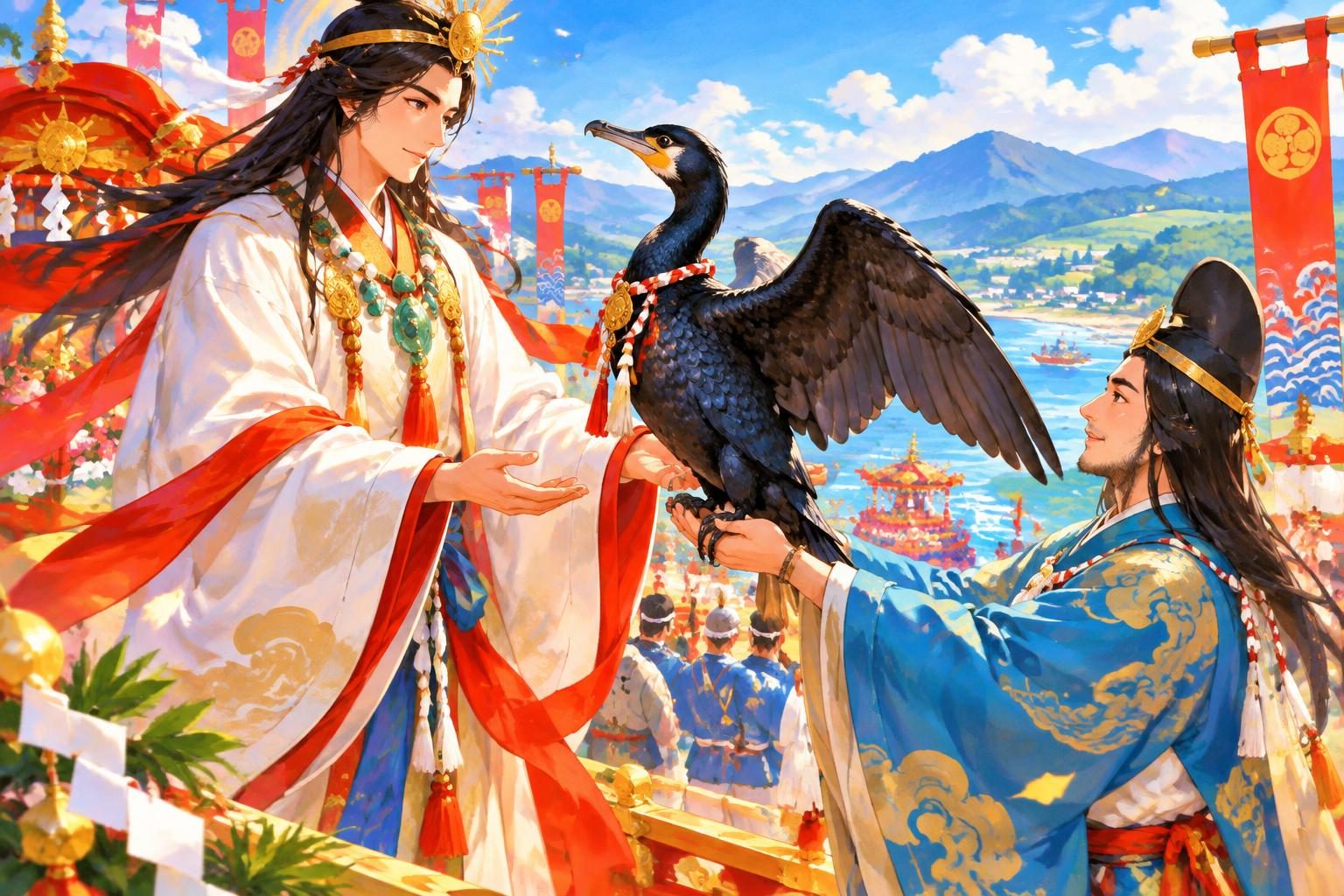
    Ōkuninushi receiving a cormorant from Mikadonushihiko in a vibrant festival setting.
    AI生成イメージ / AI-generated illustration (not a photograph of the actual place)

    Introduction to Ishikawa’s Umatsuri

    FACT: The Annual Event at Keta Taisha

    The Umatsuri is held every year on December 16 at Keta Taisha in Hakui, beginning at the early hour of 3 a.m. This event is recognized as a National Important Intangible Folk Cultural Property under the name “Keta no Umatsuri no Shūzoku.” The festival’s timing and designation highlight its cultural significance and the reverence with which it is regarded in Japan. The early morning start of the ceremony adds a mystical aura, as the gathering at this sacred shrine takes place under the cover of darkness, heightening the anticipation and spiritual atmosphere.

    Participants and visitors are drawn to the shrine’s serene environment, where the silence of the early hours is broken only by the sounds of the ritual. The timing of the festival is believed to enhance the connection with the spiritual world, as the veil between the human and divine realms is considered thinnest at this time. This creates a profound experience for those present, as they witness the unfolding of an ancient tradition that has been preserved through generations.

    The Mythological Origins at Keta Taisha

    LEGEND: Ōkuninushi and the Cormorant

    According to Shinto mythology, the origins of the Umatsuri are linked to the deity Ōkuninushi. When he arrived, a cormorant was presented to him by Mikadonushihiko, a deity associated with the area. This cormorant was used to divine future events, a practice that continues to this day during the festival. This legend underscores the deep spiritual roots of the Umatsuri and its connection to the divine. The story is a testament to the enduring power of myth in shaping cultural practices, where the cormorant serves as a bridge between the human and divine realms, offering insights into the future.

    In the context of the festival, the cormorant’s role is symbolic of guidance and prophecy. The mythological narrative enriches the cultural tapestry of the event, providing a backdrop that informs the ritual’s significance. The story of Ōkuninushi and the cormorant is often recounted by locals and shrine attendants, adding layers of meaning to the festival for both participants and observers.

    Keta-taisha torii (4989835388) - Keta-taisha
    “Keta-taisha torii (4989835388)” (Keta-taisha) by fredkatvox, CC BY 2.0, source, via Wikimedia Commons

    The Three-Day Journey of the Sacred Cormorant

    FACT: The Procession from Unoura to Hakui

    The festival begins with the capture of a cormorant in Unoura, Nanao. This bird is then carried by three “utoribe,” or cormorant bearers, on foot over a three-day journey to Keta Taisha in Hakui. This procession is a vital part of the ritual, symbolizing the connection between nature, the divine, and the community. The journey itself is a significant aspect of the festival, as it reflects the dedication and reverence of the participants who undertake this pilgrimage. The cormorant’s journey through the scenic landscapes of Ishikawa Prefecture is both a physical and spiritual passage, embodying the festival’s themes of endurance and faith.

    As the utoribe traverse the distance, they are often accompanied by local residents and visitors who join in the procession, creating a communal atmosphere. The journey is marked by moments of reflection and reverence, as the participants engage in chants and prayers, seeking blessings for the community. This shared experience fosters a sense of unity and continuity, linking the present with the past.

    The Pre-Dawn Ritual and Cormorant Divination

    FACT: The Ceremony at the Shrine

    Upon arrival at Keta Taisha, the cormorant is released before the altar. Its movements are closely observed to divine the fortune of the coming year. This divination process is a central element of the Umatsuri, reflecting the belief in the cormorant’s ability to communicate the will of the gods. After the divination, the cormorant is taken to the shore and released into the dark sky, symbolizing the return of the divine message to the heavens. This act of releasing the cormorant into the night sky is a symbolic gesture of letting go, trusting in the natural order and the guidance of the divine. The ceremony’s setting, amidst the tranquil and sacred environment of Keta Taisha, enhances the spiritual experience for both participants and observers.

    The ritual is conducted with great solemnity, as the gathered crowd watches in hushed anticipation. The movements of the cormorant are interpreted by the shrine priests, who offer insights into the community’s prospects for the coming year. This aspect of the festival is deeply rooted in tradition, with interpretations passed down through generations, maintaining a link to the past while looking to the future.

    Keta Taisha in Hakui, Ishikawa - Jan 2, 2015 - Snow in Ishikawa prefecture, Shinmon, Keta-taisha
    “Keta Taisha in Hakui, Ishikawa – Jan 2, 2015” (Snow in Ishikawa prefecture, Shinmon, Keta-taisha) by Haya_BS, CC BY-SA 2.0, source, via Wikimedia Commons

    Cultural Significance and National Designation

    FACT: Recognition as a Cultural Property

    The Umatsuri’s designation as a National Important Intangible Folk Cultural Property emphasizes its importance not only to the local community but also to Japan’s cultural heritage. This recognition ensures the preservation and continuation of the festival, allowing future generations to experience and appreciate this unique aspect of Japanese culture. The festival’s status as a cultural property highlights the value placed on traditional practices and the role they play in maintaining cultural identity and continuity. It also underscores the importance of safeguarding such traditions in the face of modernization and changing societal values.

    Efforts to preserve the Umatsuri involve collaboration between local authorities, cultural organizations, and the community. Educational programs and cultural exchanges are promoted to raise awareness and appreciation of the festival’s significance. This collective effort ensures that the Umatsuri remains a vibrant and integral part of Japan’s cultural landscape, celebrated and cherished by all who participate.

    Nearby Guide

    Access

    • Hakui Station (Hakui) — From JR Hakui Station, take a bus bound for Takahama or Togi. details

    Nearby sights

    • Irazu-no-Mori (Forbidden Forest) (Hakui) — A protected sacred forest behind the main shrine buildings, designated as a National Natural Monument. Visitors can view it from outside the shrine grounds, as entry is restricted to preserve its sanctity. details
    • Hakusan Shrine (Hakui) — A subsidiary shrine within the Keta Taisha complex, dedicated to the deity Kukurihime no Kami. It offers a serene environment for visitors seeking spiritual solace. details

    Ema wish plaques

    • Keta Taisha Shrine Ema (Hakui) — Traditional wooden plaques shaped like hearts and arrows, available at the shrine for visitors to write wishes, especially popular among those seeking love-related blessings. details
    Locator map of Japan: Hakui, Ishikawa
    Legend site: Hakui, Ishikawa — Source: Map of Japan with highlight on 17 Ishikawa prefecture.svg; Map: Lincun, CC BY-SA 3.0, via Wikimedia Commons

    Sources

    About the author

    JAPAN ESSENCE Editorial Team
    Our mission is to bring you Japan’s legends, myths, festivals and living traditions, through both historical fact and the stories passed down over generations.

  • Exploring the Sacred Island of Okinoshima and Munakata Taisha

    Exploring the Sacred Island of Okinoshima and Munakata Taisha

    In Munakata, Fukuoka Prefecture, lies the sacred island of Okinoshima, a place steeped in ancient rituals and legends. This UNESCO World Heritage site is a testament to the rich cultural and spiritual heritage of Japan, known for its strict taboos and the revered Munakata Taisha shrines.

    JR九州のクイーンビートルによるクルーズで眺めた沖ノ島
    “Okinoshima viewing 01” by Indiana jo, CC BY-SA 4.0, via Wikimedia Commons

    Introduction to the Sacred Island of Okinoshima

    FACT: UNESCO World Heritage Status

    Okinoshima, located 60 kilometers off the coast of Munakata City, is part of the Munakata Taisha, a group of three shrines dedicated to the daughters of the sun goddess Amaterasu. The island is recognized as a UNESCO World Heritage site, highlighting its significance in Japanese history and culture. The island’s Okitsu-miya Shrine is a sacred site that remains closed to the general public, preserving its sanctity and mystery. This restriction underscores the importance of maintaining the island’s untouched spiritual essence, a key reason for its UNESCO designation.

    Three goddesses descending from the heavens in a serene Japanese landscape.
    AI生成イメージ / AI-generated illustration (not a photograph of the actual place)

    The Legend of Amaterasu and the Three Munakata Goddesses

    LEGEND: The Descent of the Goddesses

    According to local tradition, the three Munakata goddesses—Tagorihime, Tagitsuhime, and Ichikishimahime—are believed to have descended from the heavens as daughters of Amaterasu, the sun goddess. These goddesses are enshrined in the three Munakata Taisha shrines: Hetsu-miya, Nakatsu-miya, and Okitsu-miya. Each shrine is said to represent one of the goddesses, embodying their divine presence and protection over the region. The legend is deeply embedded in the local culture, influencing the spiritual practices and festivals celebrated in the area.

    LEGEND: The Divine Mission

    Another aspect of the legend suggests that the goddesses were sent to protect the seas and ensure safe passage for sailors. This divine mission is reflected in the location of the shrines, with Okitsu-miya on Okinoshima serving as a guardian over the surrounding waters. The island’s role as a spiritual beacon is a testament to the enduring power of these myths in shaping the cultural identity of Munakata.

    Munakata-taisha, shaden - Haiden, Hetsu-gu, Munakata-taisha
    “Munakata-taisha, shaden” (Haiden, Hetsu-gu, Munakata-taisha) by Saigen Jiro, CC0, source, via Wikimedia Commons

    Munakata Taisha: The Three Shrines Across Land and Sea

    FACT: The Role of the Shrines

    The Munakata Taisha shrines are integral to the spiritual landscape of the region. Hetsu-miya, located in Munakata City, serves as the main shrine, while Nakatsu-miya is situated on Oshima Island. Okitsu-miya, on Okinoshima, is the most remote and sacred, emphasizing the island’s spiritual importance. These shrines collectively honor the three goddesses and serve as a focal point for religious ceremonies and pilgrimages. Each shrine offers a unique connection to the divine, with rituals and offerings that have been practiced for centuries.

    FACT: Pilgrimage and Worship

    Visitors can worship at Hetsu-miya on the mainland and Nakatsu-miya on Oshima, and pay their respects to Okinoshima from the Okitsu-miya Yohaisho on Oshima. This pilgrimage reflects the deep-rooted belief in the protective power of the goddesses. While Okitsu-miya is inaccessible, the journey to Hetsu-miya and Nakatsu-miya allows pilgrims to engage with the sacred landscape and participate in traditional worship practices.

    Ancient Rituals and Strict Taboos of Okinoshima

    FACT: Rituals and Restrictions

    Okinoshima is renowned for its ancient rituals, some of which date back to the 4th century. The island is shrouded in strict taboos, prohibiting the removal of any objects and limiting access to only a select few, primarily priests. These restrictions are part of the island’s efforts to maintain its purity and spiritual integrity. The rituals performed here are considered vital to the cultural heritage of Japan, reflecting centuries of religious practices. These rituals include offerings to the sea and prayers for safe voyages, underscoring the island’s historical role as a maritime sanctuary.

    FACT: Preservation of Sacredness

    The preservation of Okinoshima’s sacredness is a primary concern for those who manage the island. By restricting access and prohibiting the removal of artifacts, the island remains a pristine example of ancient religious practice. This careful stewardship ensures that the spiritual and historical significance of Okinoshima is preserved for future generations.

    Munakata-taisha haiden2 - Haiden, Hetsu-gu, Munakata-taisha
    “Munakata-taisha haiden2” (Haiden, Hetsu-gu, Munakata-taisha) by Tsuyoshi chiba, CC BY-SA 4.0, source, via Wikimedia Commons

    The Munakata Clan and the Shimbaru-Nuyama Mounded Tombs

    FACT: Historical Significance

    The Munakata Clan, historically influential in the region, is closely associated with the shrines and the island. The Shimbaru-Nuyama mounded tombs, located near the shrines, are believed to be the resting places of clan members. These tombs provide valuable insights into the burial practices and social structures of ancient Japan, further enriching the historical tapestry of the area. Archaeological studies of these tombs have uncovered artifacts that shed light on the clan’s prominence and their role in the region’s spiritual and political life.

    FACT: Archaeological Discoveries

    The tombs have yielded a wealth of archaeological finds, including pottery and tools that offer a glimpse into the daily lives of the Munakata Clan. These discoveries have helped historians piece together the clan’s history and their connection to the Munakata Taisha shrines, providing a tangible link to the past.

    Living Traditions: The Annual Miare Festival

    FACT: Celebrating Heritage

    The Miare Festival, held annually, is a vibrant celebration of the region’s cultural heritage. This festival honors the three goddesses and includes traditional music, dance, and rituals. It serves as a living testament to the enduring legacy of the Munakata Taisha and the sacred island of Okinoshima, drawing visitors and devotees from across Japan. The festival is a colorful display of local traditions, with participants donning traditional attire and engaging in time-honored ceremonies.

    FACT: Community Involvement

    The Miare Festival is not only a religious event but also a community gathering that strengthens local ties. Residents of Munakata and surrounding areas come together to celebrate their shared heritage, ensuring that the stories and traditions of the past continue to thrive in the present.

    Visiting Munakata: What Travelers Can See and Experience

    FACT: Exploring the Area

    While Okinoshima itself is inaccessible to the general public, visitors can explore the surrounding areas, including the Munakata Taisha Hetsu-miya and Nakatsu-miya shrines. The Sea Road Munakata Hall offers insights into the historical connections between Okinoshima and Oshima, providing a deeper understanding of the region’s spiritual significance. Travelers can also enjoy the natural beauty and cultural experiences available on Oshima Island.

    FACT: Cultural Experiences

    Oshima Island offers a range of cultural experiences for visitors, from exploring local crafts to enjoying traditional cuisine. The island’s natural beauty, combined with its rich cultural offerings, makes it a worthwhile destination for those interested in Japanese history and spirituality.

    Nearby Guide

    Access

    • Munakata Taisha Hetsu-miya Shrine (Munakata) — Hetsu-miya is on the mainland. From JR Togo Station, take the Fureai Bus Genkai Line BRT to Munakata Taisha-mae (about 12 minutes); no ferry is needed. official access guide
    • Munakata Taisha Nakatsu-miya Shrine (Oshima) — Nakatsu-miya Shrine is situated on Oshima Island. To access it, take a bus from JR Togo Station to Konominato Hatoba Bus Stop, then a ferry to Oshima Island. The shrine is a short walk from Oshima Port. official site

    Nearby sights

    • Sea Road Munakata Hall (Munakata) — Near Hetsu-miya, this municipal museum and World Heritage interpretation facility introduces the history and culture of Munakata and the significance of Okinoshima and its associated sites. official site
    • Oshima Koryu-kan (Oshima) — This facility offers displays and explanations about the deep historical connection between Okinoshima and Oshima, particularly regarding Nakatsu-miya and Okitsu-miya Yohaisho as places of worship. official site

    Where to stay

    • Munakata Oumaru Natural Hot Spring Yamatsubasa (Munakata) — A hotel offering comfortable accommodations and natural hot springs, located near Munakata Taisha Shrine. official site

    Where to eat

    • Yume no Sayoshima (Munakata) — A restaurant offering island cuisine, located on Oshima Island. details
    Locator map of Japan: Munakata, Fukuoka
    Legend site: Munakata, Fukuoka — Source: Map of Japan with highlight on 40 Fukuoka prefecture.svg; Map: Lincun, CC BY-SA 3.0, via Wikimedia Commons

    Sources

    About the author

    JAPAN ESSENCE Editorial Team
    Our mission is to bring you Japan’s legends, myths, festivals and living traditions, through both historical fact and the stories passed down over generations.

  • Tracing the Legacy of Otomo Sorin: Historic Sites to Visit in Oita

    Tracing the Legacy of Otomo Sorin: Historic Sites to Visit in Oita

    In the heart of Oita Prefecture lies a historical treasure trove that tells the story of Ōtomo Sōrin, a powerful Sengoku period warlord. Visitors to Oita City can explore the remnants of his legacy, including the Otomo Clan Residence Ruins and the vibrant cultural exchanges that marked his era.

    大友宗麟像(大分県大分市神宮寺浦公園)
    “Oita otomo sorin at jingujiura” by 大分帰省中, CC BY-SA 3.0, via Wikimedia Commons

    Who Was Otomo Sorin? The Powerful Warlord of Northern Kyushu

    FACT: Otomo Sorin’s Historical Role

    Ōtomo Sōrin, also known as Yoshishige, was a prominent daimyo during the Sengoku period, ruling over the Bungo Province, now part of modern-day Oita Prefecture. His leadership was marked by strategic alliances and a keen interest in foreign cultures, particularly those of the Nanban, or Southern Barbarians, as the Portuguese and Spanish were known in Japan. Sōrin’s openness to Western influence is well-documented, with sources noting his conversion to Christianity under the baptismal name Francisco, influenced by the missionary Francis Xavier. His conversion took place in 1578, during a period of active overseas trade and contact with European missionaries.

    FACT: The Otomo Clan’s Influence

    The Otomo clan was one of the most influential families in Kyushu during the 16th century. Sōrin’s rule was characterized by military prowess and diplomatic engagements, which included hosting European missionaries and traders. This period saw the introduction of Western firearms and Christianity, which left a lasting impact on the region. The Otomo clan’s strategic location in Bungo allowed them to control key trade routes and maintain their power during the turbulent Sengoku era. The clan’s ability to adapt to new influences while maintaining their traditional roots was a testament to their resilience and strategic insight.
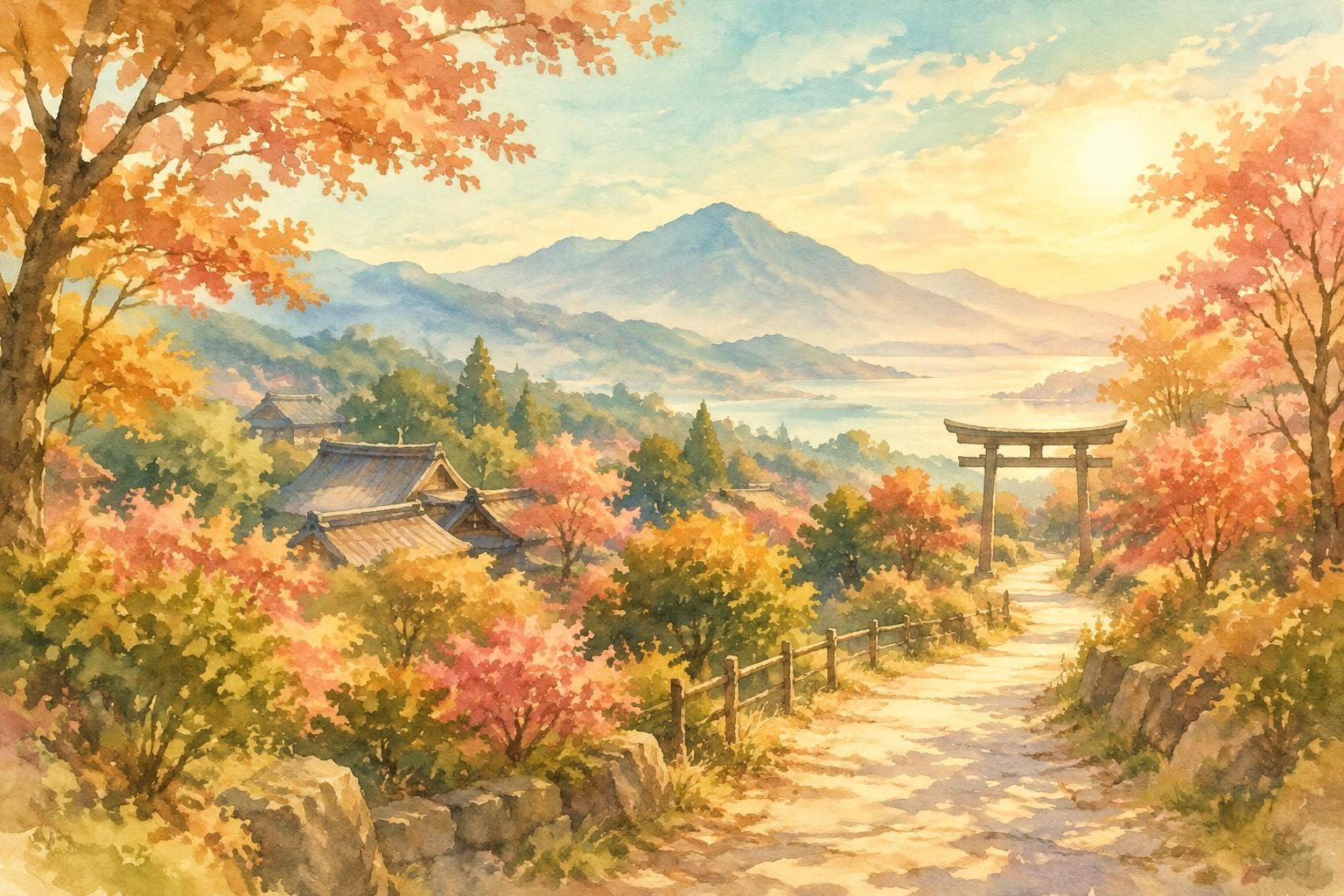
    Watercolour landscape inspired by Otomo Sorin, with mountains, trees, traditional rooftops, and a torii in warm light.
    AI生成イメージ / AI-generated illustration (not a photograph of the actual place)

    Exploring the Otomo Clan Residence Ruins in Oita City

    FACT: The Historical Significance of the Ruins

    Located in Kentokumachi, Oita City, the Otomo Clan Residence Ruins offer a glimpse into the past. The site corresponds to the original mansion of the Otomo clan in Funai, the historic name for Oita. Today, it is home to the Otomo Clan Residence Garden and the Nanban BVNGO Exchange Center, which showcases the cultural interactions between Japan and the West during Sōrin’s time. Visitors can explore the garden and learn about the architectural style and daily life of the period. The site serves as a tangible connection to the era of Sōrin, providing insights into the lifestyle and cultural exchanges that defined his rule.

    FACT: Preservation and Education

    The preservation of the Otomo Clan Residence Ruins is crucial for understanding the historical context of Oita during the Sengoku period. The Nanban BVNGO Exchange Center plays a vital role in educating visitors about the cultural and technological exchanges that took place. Through exhibits and guided tours, visitors can gain a deeper appreciation for the complexities of this era and the pivotal role that the Otomo clan played in shaping regional history.

    Higashi Kyushu Expwy Miyakawauchi - Roads in Oita, Oita
    “Higashi Kyushu Expwy Miyakawauchi” (Roads in Oita, Oita) by 大分帰省中, CC BY 3.0, source, via Wikimedia Commons

    Nanban Culture and Francis Xavier’s Legacy in Funai

    FACT: The Introduction of Nanban Culture

    The term ‘Nanban culture’ refers to the cultural and technological influences that arrived in Japan from the West during the 16th century. Ōtomo Sōrin was instrumental in facilitating these exchanges, particularly through his interactions with the Jesuit missionary Francis Xavier. Xavier’s arrival in Funai in 1551 marked a significant moment in the spread of Christianity in Japan, with Sōrin providing support for the missionary activities. This collaboration between Sōrin and Xavier exemplifies the openness of the Otomo clan to new ideas and their role in fostering cross-cultural interactions.

    FACT: The Impact of Western Influence

    The introduction of Western goods and ideas had a profound impact on Japanese society, especially in regions like Oita where leaders like Sōrin embraced these changes. The exchange included not only religious and cultural ideas but also technological advancements such as firearms, which played a pivotal role in the power dynamics of the period. The legacy of this cultural fusion is still evident in Oita today, with various historical sites and museums dedicated to preserving this unique chapter of Japanese history. The influence of these exchanges can be seen in the architecture, art, and even the cuisine of the region, reflecting a rich tapestry of cultural integration.

    Daienzan Jurinji Temple: Where Otomo Sorin Took the Monk’s Name

    FACT: Otomo Sorin’s Religious Chronology

    Ōtomo Yoshishige took the Buddhist name Sōrin in 1562, before his Christian baptism by Francisco Cabral in 1578. He founded Jurinji in Usuki during his Buddhist period. The present Daienzan Jurinji was revived in 2018 and uses a former villa of the Usuki domain rulers; it is not the original sixteenth-century temple building. See the Usuki City account and Usuki Tourism Association guide.

    Oita cultural hall - Buildings in Oita, Oita
    “Oita cultural hall” (Buildings in Oita, Oita) by Twilight2640, CC BY-SA 3.0, source, via Wikimedia Commons

    Walking Through History: Oita City’s Heritage Trail

    FACT: Exploring Oita’s Historical Sites

    Oita City offers a rich tapestry of historical sites that trace the legacy of the Otomo clan. The city’s heritage trail provides an immersive experience, guiding visitors through key locations such as the Otomo Clan Residence Ruins and the nearby Funai Castle Ruins. These sites offer insights into the architectural and cultural developments of the Sengoku period, highlighting the region’s significance in Japanese history. Walking through these historical sites allows visitors to step back in time and experience the vibrant history that shaped modern Oita.

    Nearby Guide

    Access

    • JR Oita Station (Oita) — Approximately a 15-minute walk southeast from JR Oita Station. details
    • Kentoku-cho Bus Stop (Oita) — The garden is about a five-minute walk from Oita Bus stops Kentoku-cho, Higashimotomachi or Rokubomachi. Check the current bus route and timetable before travelling. Oita City access guide
    • By Car (Oita) — Approximately a 15-minute drive from Oita Interchange on the Higashi-Kyushu Expressway. Parking available for 50 vehicles. details

    Nearby sights

    • Funai Castle Ruins (Oita) — Construction began under Fukuhara Naotaka in 1597, after the Otomo clan lost its domain, and Takenaka Shigetoshi completed the castle in 1602. Oita City guide
    • Oita City Historical Museum (Oita) — Exhibits materials related to the history of the Otomo clan and Funai, enhancing understanding of the Otomo Clan Residence Ruins. details
    Locator map of Japan: Oita, Oita
    Legend site: Oita, Oita — Source: Map of Japan with highlight on 44 Oita prefecture.svg; Map: Lincun, CC BY-SA 3.0, via Wikimedia Commons

    Sources

    About the author

    JAPAN ESSENCE Editorial Team
    Our mission is to bring you Japan’s legends, myths, festivals and living traditions, through both historical fact and the stories passed down over generations.

  • Tracing Kusunoki Masashige: Exploring Kanshinji Temple in Kawachinagano

    Tracing Kusunoki Masashige: Exploring Kanshinji Temple in Kawachinagano

    In Kawachinagano, Osaka Prefecture, lies a historical treasure trove where the legendary samurai Kusunoki Masashige is said to have spent his formative years. This area, steeped in medieval history, offers visitors a glimpse into the past through its temples and legends.

    観心寺にて 楠木正成銅像 Figure of Kusunoki Masashige 2013.3.15
    “観心寺にて 楠木正成銅像 Figure of Kusunoki Masashige 2013.3.15 – panoramio” by Nankou Oronain (as36…, CC BY-SA 3.0, via Wikimedia Commons

    Introduction to Kawachinagano and Medieval Osaka

    Kawachinagano, located in Osaka Prefecture, is a city rich in history and cultural heritage. It is renowned for its association with Kusunoki Masashige, a revered samurai known for his loyalty and strategic prowess during Japan’s Kamakura period. The city’s historical sites, particularly Kanshinji Temple, offer a window into the life and times of this legendary figure. Visitors to Kawachinagano can immerse themselves in the stories and structures that have withstood the test of time, reflecting the city’s importance as a cultural and historical hub.

    Kusunoki Masashige training with Oe Tokichika in a serene, cherry-blossom-filled landscape.
    AI生成イメージ / AI-generated illustration (not a photograph of the actual place)

    Kusunoki Masashige: Childhood Studies at Kanshinji’s Chuin Sub-Temple

    FACT: Academic and Religious Education

    According to historical records, Kusunoki Masashige is said to have pursued his early education at Kanshinji’s Chuin sub-temple in Kawachinagano. From the ages of 8 to 15, he studied Buddhism and various academic disciplines, laying the foundation for his future as a strategic military leader. Kanshinji Temple, located at 475 Teramoto, remains a significant site for those interested in the samurai’s early life. The temple complex offers a serene environment where visitors can reflect on the intellectual and spiritual training that shaped Masashige’s character and destiny.

    The education Masashige received at Kanshinji was not merely academic; it was deeply intertwined with the spiritual teachings of Buddhism. This blend of intellectual and spiritual growth is believed to have instilled in him a profound sense of duty and honor, which later defined his actions on the battlefield. The temple’s tranquil setting, with its traditional architecture and peaceful gardens, provides a backdrop that allows visitors to imagine the young Masashige in his formative years, absorbing the teachings that would guide him throughout his life.

    FACT: The Significance of Kanshinji Temple

    Kanshinji Temple is not only a place of religious importance but also a cultural landmark that embodies the spirit of the era. The temple’s architecture and layout provide a glimpse into the design aesthetics of the time, characterized by simplicity and harmony with nature. As a family shrine for the Kusunoki lineage, Kanshinji serves as a living testament to the enduring legacy of one of Japan’s most celebrated samurai. Visitors can explore the temple grounds, which house several historical relics and offer a tangible connection to the past.

    The temple’s role as a family shrine underscores its importance in the narrative of Kusunoki Masashige. It serves as a reminder of the deep familial ties and the sense of lineage that were integral to the samurai identity. The relics housed within the temple, including artifacts and documents, provide insights into the life and times of Masashige, allowing visitors to engage with history on a personal level. The serene atmosphere of Kanshinji invites reflection and offers a space for contemplation, making it a meaningful stop for those interested in Japan’s rich cultural tapestry.

    Kanshinji temple003 - Taken with Sony DSC-P8, Buildings of Kanshinji
    “Kanshinji temple003” (Taken with Sony DSC-P8, Buildings of Kanshinji) by Morocco, CC BY-SA 4.0, source, via Wikimedia Commons

    Mastering Military Strategy at the Oe Tokichika Residence Site

    LEGEND: Training Under a Master Tactician

    Local legend holds that during his childhood, Kusunoki Masashige honed his military strategy skills under the guidance of Oe Tokichika, a famed tactician who resided in the Kagata area of Kawachinagano. This mentorship is said to have played a crucial role in shaping Masashige’s tactical acumen, which would later become legendary in battles against the Kamakura shogunate. According to the stories, Oe Tokichika’s teachings were instrumental in developing Masashige’s strategic mind, allowing him to devise innovative tactics that would eventually challenge and outsmart his adversaries.

    The stories of Masashige’s training with Tokichika emphasize the importance of mentorship in the samurai tradition. Tokichika’s influence is portrayed as pivotal, providing Masashige with not only the technical skills of warfare but also the strategic thinking necessary to outmaneuver opponents. The Kagata area, where these teachings are said to have occurred, remains a point of interest for those exploring the rich tapestry of Kawachinagano’s history. This narrative highlights the blend of intellect and martial skill that defined the samurai ethos.

    LEGEND: The Influence of Oe Tokichika

    The influence of Oe Tokichika on Masashige’s military education is a narrative that underscores the importance of mentorship in the samurai tradition. According to legend, Tokichika imparted not only strategic knowledge but also the values of loyalty and honor that Masashige would carry throughout his life. The Kagata area, where these teachings are said to have taken place, remains a point of interest for those exploring the rich tapestry of Kawachinagano’s history.

    These legends suggest that Tokichika’s teachings went beyond mere tactics, embedding in Masashige a code of ethics that would guide his decisions and actions. The emphasis on loyalty and honor reflects the broader cultural values of the samurai class, which prized these traits above all else. Visitors interested in the samurai legacy can explore the Kagata area, imagining the young Masashige absorbing these lessons that would later define his legendary status.

    Exploring Kanshinji Temple: Family Shrine and Historical Relics

    Kanshinji Temple, a key site in Kawachinagano, serves as a family shrine for the Kusunoki lineage. Visitors can explore the temple grounds, which house several historical relics and offer a serene environment for reflection. The temple’s architectural style reflects the period’s design, providing a tangible connection to the past. The temple complex invites visitors to wander through its peaceful gardens and halls, where the echoes of history are palpable in every corner.

    The temple’s gardens and halls are designed to evoke a sense of tranquility and introspection. The layout and design elements are intentionally crafted to harmonize with the natural surroundings, a hallmark of traditional Japanese architecture. As visitors walk through the temple grounds, they can sense the historical significance of the site and its role in the narrative of Kusunoki Masashige. The presence of historical relics further enriches the experience, offering a direct link to the past and the enduring legacy of the samurai era.

    Head Mound of Lord Kusunoki, Kanshin-ji temple - Mar 31, 2024 - Stone signs in Osaka prefecture
    “Head Mound of Lord Kusunoki, Kanshin-ji temple – Mar 31, 2024” (Stone signs in Osaka prefecture) by dlovins99, CC0, source, via Wikimedia Commons

    The Unfinished Tatekake-no-to Pagoda and Kubizuka Burial Mound

    Within the Kanshinji Temple complex, the Tatekake-no-to Pagoda stands as an unfinished testament to the area’s historical significance. This pagoda, although never completed, symbolizes the ambitions and challenges of the era. Nearby, the Kubizuka burial mound is said to hold the remains of Kusunoki Masashige, adding a layer of mystery and reverence to the site. These landmarks invite contemplation on the enduring legacy of the samurai era, offering a poignant reminder of the impermanence and resilience of human endeavors.

    The unfinished pagoda and the burial mound serve as powerful symbols of the historical and cultural narratives that define Kawachinagano. The pagoda’s incomplete state invites reflection on the ambitions and struggles of the past, while the burial mound connects visitors to the legendary figure of Masashige. These sites offer a unique opportunity to engage with the history and legends of the region, providing a deeper understanding of the samurai legacy and its impact on Japanese culture.

    Planning Your Visit to Kawachinagano’s Japan Heritage Sites

    Visitors to Kawachinagano can explore its rich history by visiting Kanshinji Temple and other nearby historical sites. While specific visiting hours and fees are not detailed in the current sources, it is advisable to check the official website for up-to-date information on access and any special events. The journey to Kawachinagano is not just a trip through space but a voyage through time, where the stories of the past come alive against the backdrop of the present.

    Nearby Guide

    Nearby sights

    • Nagano Park (Kawachinagano) — A park located at the foot of the Kongo mountain range, offering natural landscapes and recreational areas. details

    Where to stay

    • Natural Hot Spring Ikoi no Yado Kawachinaganoso (Kawachinagano) — A historic hot spring inn offering natural magnesium and sodium chloride spring baths, seasonal kaiseki cuisine, and various facilities for relaxation. official site

    Where to eat

    • Kawachinagano City Tourist Information Center (Kawachinagano) — Offers local products and information about local eateries and specialties. Bicycle rentals are also available for exploring the city. official site
    Locator map of Japan: Kawachinagano, Osaka
    Legend site: Kawachinagano, Osaka — Source: Map of Japan with highlight on 27 Osaka prefecture.svg; Map: Lincun, CC BY-SA 3.0, via Wikimedia Commons

    Sources

    About the author

    JAPAN ESSENCE Editorial Team
    Our mission is to bring you Japan’s legends, myths, festivals and living traditions, through both historical fact and the stories passed down over generations.

  • Kussie: The Legend of Hokkaido’s Lake Kussharo Monster

    Kussie: The Legend of Hokkaido’s Lake Kussharo Monster

    In the serene and picturesque setting of Lake Kussharo in Teshikaga, Hokkaido Prefecture, lies a mystery that has intrigued locals and visitors alike for decades. This is the home of Kussie, Japan’s very own lake monster, whose legend echoes the tales of Scotland’s Loch Ness Monster.

    Lake Kussharo seen from the west, in Teshikaga, Hokkaido Prefecture, Japan.
    “130713 Lake Kussharo Teshikaga Hokkaido Japan01s5” by 663highland, CC BY 2.5, via Wikimedia Commons

    Introduction to Lake Kussharo and the Legend of Kussie

    FACT: Lake Kussharo’s Geographic and Natural Features

    Lake Kussharo is a stunning caldera lake located within Akan–Mashu National Park in eastern Hokkaido, specifically in the town of Teshikaga. As Japan’s largest caldera lake, it offers breathtaking views and a variety of outdoor activities, from canoeing and windsurfing to hiking around its scenic perimeter. The lake is surrounded by hot springs, including the famous Sunayu beach, where visitors can dig their own sand baths. The natural beauty of the lake, with its expansive waters and surrounding mountains, provides a perfect backdrop for both adventure and relaxation.

    LEGEND: The Origins of Kussie

    According to local legend, Kussie is a cryptid said to inhabit the waters of Lake Kussharo. The creature’s name is inspired by Nessie, the famed Loch Ness Monster of Scotland. Sightings of Kussie have been reported since the 1970s, with the most notable encounters occurring in 1973 and 1975. These stories have become an integral part of the local folklore, drawing both skeptics and believers to the area. The legend of Kussie is not only a tale of mystery but also a cultural phenomenon that has captured the imagination of many.

    Kussie the lake monster emerges amid autumn scenery with Ainu figures nearby.
    AI生成イメージ / AI-generated illustration (not a photograph of the actual place)

    Where is Lake Kussharo? Setting the Scene in Akan-Mashu National Park

    FACT: The Location and Accessibility of Lake Kussharo

    Lake Kussharo is situated in Teshikaga, Hokkaido, within the expansive Akan–Mashu National Park. The park is renowned for its pristine natural beauty and diverse wildlife, making it a popular destination for nature enthusiasts. Visitors can access the lake via JR Kawayu Onsen Station or by car from Kushiro, providing flexibility for exploring the surrounding attractions. The journey to Lake Kussharo offers a glimpse into the untouched landscapes of Hokkaido, with opportunities to see native flora and fauna along the way.

    Lake Kussharo banner - Lake Kussharo, Aerial photographs of Hokkaido
    “Lake Kussharo banner” (Lake Kussharo, Aerial photographs of Hokkaido) by 663highland, cropped by Tmv, CC BY 2.5, source, via Wikimedia Commons

    Famous Sightings: The 1973 School Trip and the 1975 Forest Encounter

    LEGEND: Key Sightings of Kussie

    One of the most famous accounts of Kussie occurred in 1973 when a group of schoolchildren on a trip reportedly saw a large creature in the lake. This sighting sparked widespread interest and speculation, as the children described a creature unlike anything they had seen before. Another significant sighting was in 1975 when a local resident claimed to have seen a mysterious figure near the forested shores of the lake. These encounters have fueled the legend of Kussie, contributing to its enduring presence in local culture. Each account adds a layer of intrigue, inviting visitors to ponder the mysteries that lie beneath the lake’s surface.

    Ainu Oral Traditions and the Roots of the Lake Monster

    LEGEND: Ainu Cultural Connections

    The Ainu, the indigenous people of Hokkaido, have their own oral traditions that speak of mysterious creatures inhabiting the region’s lakes and forests. While Kussie is a more recent addition to these tales, the concept of lake-dwelling spirits and monsters is deeply rooted in Ainu folklore, adding a layer of cultural depth to the legend. These stories reflect the Ainu’s deep connection to nature and their belief in the spiritual significance of the natural world. The legend of Kussie, therefore, is not just a modern myth but part of a broader tapestry of cultural narratives that have been passed down through generations.

    屈斜路湖 Kussharo Lake - panoramio (2) - Lake Kussharo
    “屈斜路湖 Kussharo Lake – panoramio (2)” (Lake Kussharo) by lienyuan lee, CC BY 3.0, source, via Wikimedia Commons

    Visiting Sunayu: Finding the Kussie Statue on the Lakeshore

    FACT: The Kussie Statue and Tourist Attractions

    Visitors to Lake Kussharo can find a statue of Kussie near the Sunayu beach, a popular spot where the lake’s geothermal activity allows for natural sand baths. This statue has become a symbol of the legend and a must-see for those exploring the area. The lakeshore offers numerous opportunities for photography and relaxation, making it a perfect destination for tourists seeking both adventure and tranquility. The statue serves as a tangible reminder of the legend, inviting visitors to engage with the story of Kussie and the mysteries of Lake Kussharo.

    The Legacy of Kussie in Modern Hokkaido Tourism

    FACT: Kussie’s Impact on Local Tourism

    The legend of Kussie has significantly influenced tourism in Teshikaga and the surrounding region. The allure of the mysterious lake monster attracts visitors from around the world, eager to catch a glimpse of the elusive creature or simply enjoy the stunning natural scenery. Local businesses and tourism operators have embraced the legend, offering themed tours and merchandise that celebrate Kussie’s place in Hokkaido’s cultural tapestry. The presence of Kussie has become a unique selling point for the area, enhancing its appeal as a destination that combines natural beauty with intriguing folklore.

    Nearby Guide

    Access

    • JR Kawayu Onsen Station (Teshikaga) — Take the JR Senmo Line to Kawayu Onsen Station. From there, buses connect to Lake Kussharo and other attractions. Note that bus services are seasonal and infrequent; check current timetables with the operator. details
    • By Car from Kushiro (Teshikaga) — Approximately a 90-minute drive from Kushiro. Rental cars are available at Kushiro Airport. Driving provides flexibility to explore the area at your own pace. details

    Nearby sights

    • Lake Kussharo (Teshikaga) — Japan’s largest caldera lake, offering activities like canoeing, windsurfing, and hiking. In winter, it freezes over, creating a unique landscape. The lake is surrounded by hot springs, including the Sunayu beach where visitors can dig their own sand baths. official site
    • Kawayu Onsen (Teshikaga) — A hot spring town known for its strongly acidic sulfuric waters, believed to have therapeutic properties. The town features open-air baths along the river and is a gateway to exploring the surrounding natural beauty. details
    • Mount Iō (Atosanupuri) (Teshikaga) — An active volcano with fumaroles and sulfur vents. Visitors can hike around the mountain to observe volcanic activity and enjoy panoramic views of the area. details
    Locator map of Japan: Teshikaga, Hokkaido
    Legend site: Teshikaga, Hokkaido — Source: Map of Japan with highlight on 01 Hokkaido prefecture.svg; Map: Lincun, CC BY-SA 3.0, via Wikimedia Commons

    Regional guide

    Location: Teshikaga, Hokkaido Prefecture

    • Lake Kussharo (Teshikaga) — source

    Sources

    About the author

    JAPAN ESSENCE Editorial Team
    Our mission is to bring you Japan’s legends, myths, festivals and living traditions, through both historical fact and the stories passed down over generations.